Current News


The agenda for the conference was very full and we worried that it would prove to be overwhelming, especially for those who really struggle to comprehend English, so we built in some fun stuff as well.

The retreat center was pretty basic but the fact that the accommodations are set up as three bedroom apartments gave us the opportunity to congregate in the various “livingrooms” for some great conversations. 

Food was plentiful and meal times were great for getting to know new friends, sharing ministries and even for individual consultations with Phil and the other speakers.


On Tuesday evening we all went out to dinner with some of the TWR staff from other departments.  Thursday evening we booked a bus for a trip to a restaurant called “Hooked on Heads” which specializes in fish head delicacies (not my favourite) and then a relaxing evening at the Singapore Night Safari.
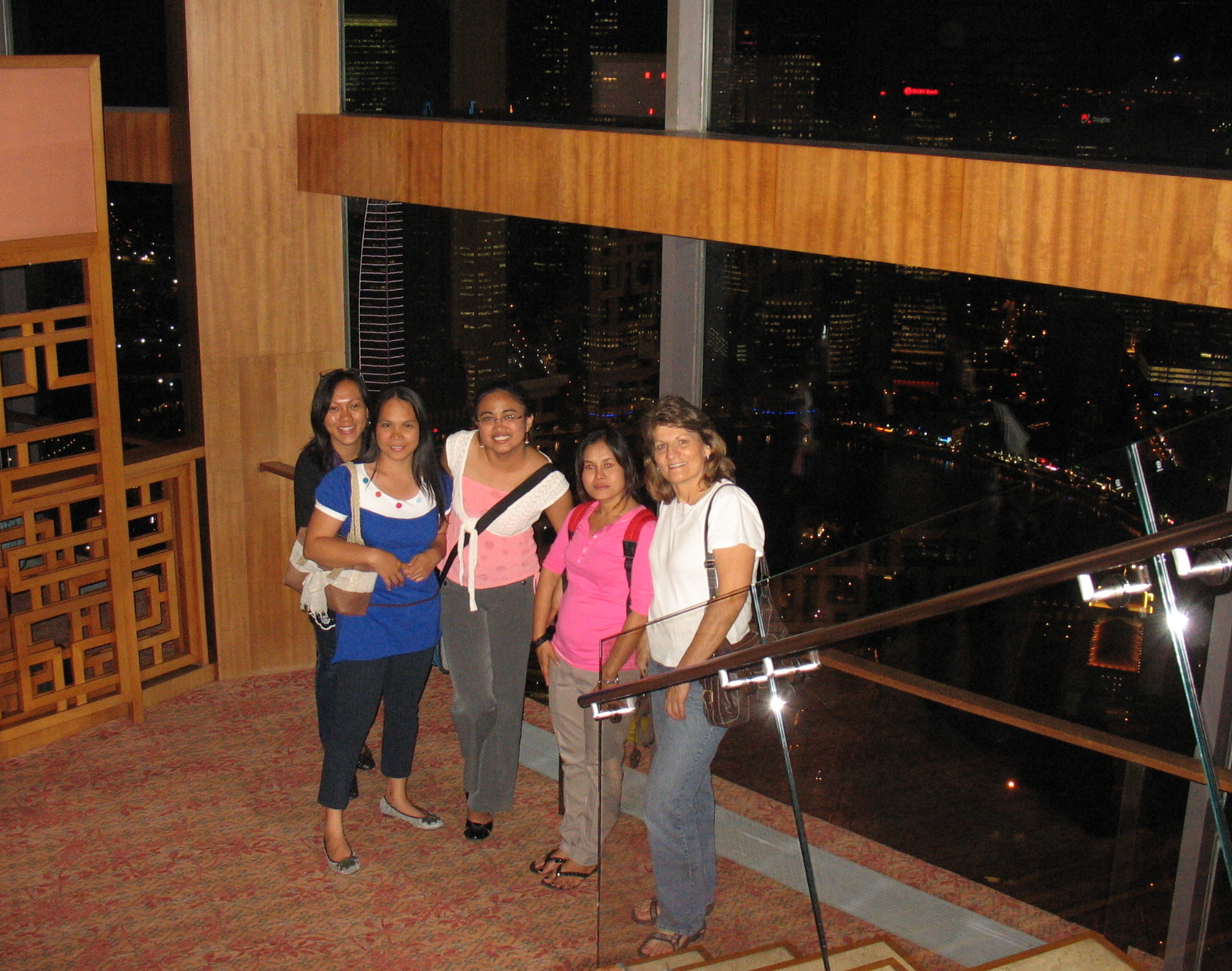


For some of the younger ladies, this was their first trip outside of their own countries and some had never seen a building higher than eight storeys.  Wednesday evening, two of us, along with six ladies did a quick tour of some of the sights of downtown Singapore.  The highlight for me was taking the girls to the observation area on the 70th floor of the Stamford Hotel.  Once they recovered from the terror of the elevator, they were mesmerized by the view of what is truly a beautiful city.  We, of course, saw the Merlion, Raffles, the Fullerton and Clarke’s Quay before heading back to crash at about midnight.

Almost three weeks without computer access is almost more than I can bear!  I am in the Katmandu Airport awaiting my flight back to Singapore.  One quick night there and I catch a morning bus to KL.  These last few weeks have been amazing and will take me a few days to even digest.  For now I am just happy to see pics of my grandkids and read some emails from home.

Nepal is an incredible country and we were able to visit places never intended for tourists – at least upstanding tourists.  I spent time in brothels and prisons as well as churches and clubhouses and homes of some of the most amazing people.  It was an awesome privilege.

I even got to watch the sun rise over the Himalayas, drive over near impassable mountain roads and trek up some “small” mountains.  I also slept in some places that I never intended to sleep in my life and we won’t even talk about the washrooms.  Looking forward to a bed that is more than a thin pad on boards.

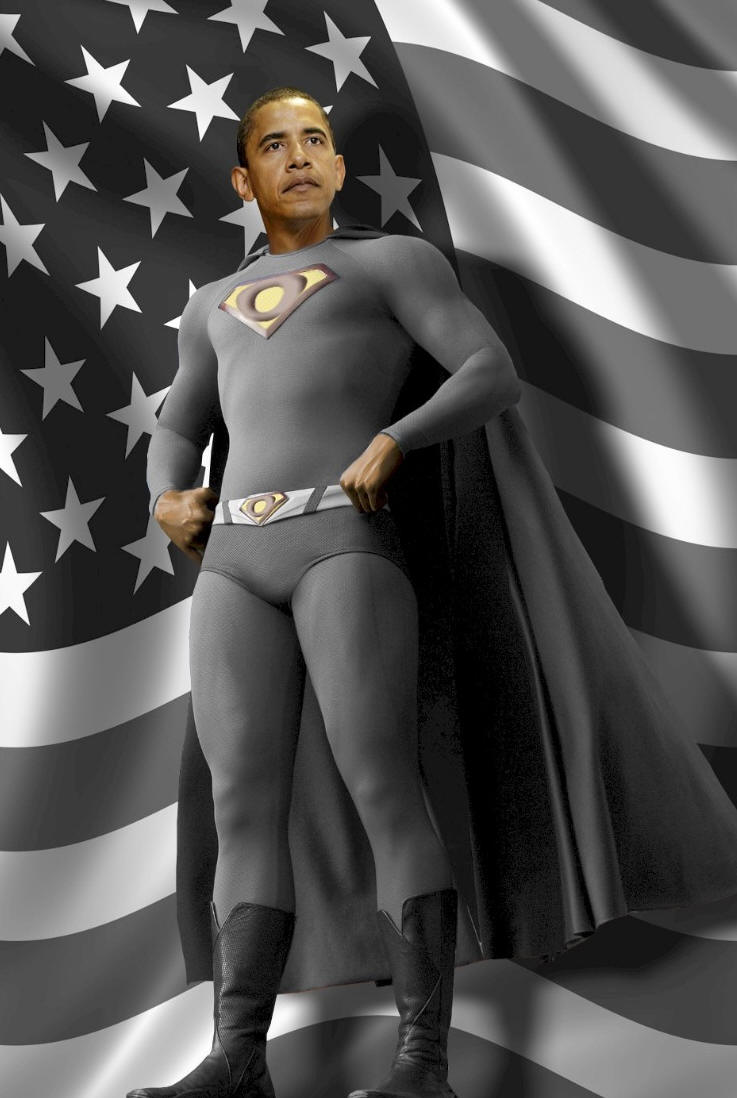
It’s hard to get video feed coverage of the American election. The internet is slow here, and you have to multitask and be patient. But at my age, patience is something I do well, so I am pretty well up to snuff on what our American friends are up to. I wonder if America knows, however, how the rest of the world (TROTW) sees what is happening in America. The election in the States may still be up for grabs, but TROTW doesn’t think so.

The Economist, which I buy occassionally, has taken the trouble to find out. They have divided up TROTW into electoral college votes, just as America itself does, according to population. Then they have taken an online poll on McCain/Obama and published the results on their homepage. There is no contest.

McCain leads in just four countries: Georgia, Moldova, Macedonia, and most surprisingly, Cuba. Obama has all the rest, including Canada. But what is most telling is the margin of victory. McCain leads by a slim 52/48 % in Moldova, and no higher than 55/45 % in Cuba. Obama, by contrast leads by 83/17 % in China, 86/14 % in Russia, 88/12 % in Canada and 92/8 % in Saudi Arabia. In Indonesia, where Obama spent part of his childhood, he is running 97/3 % ahead of McCain. Here in Malaysia it is a more modest 89/11 %. TROTW has spoken, and it speaks well of Obama.

As fun as this kind of thing can be, there is a serious message here. The world has given Obama, and through him, the United States, a huge benefit of the doubt. The world wants to believe, needs to believe, that the United States can once again be a power for good. There was a time when America was so highly respected and admired that emerging countries, like Malaysia, adopted their national flag after the American pattern. An incompetent Johnson, a venal Nixon, a genial, but equally venal Reagan, a philandering Clinton, and two of the worst presidents in American history, both named Bush, have done much to tarnish the American image abroad. But maybe, just maybe, the world will get what it has long waited for: An America worth respecting again.

Join the fun. You can vote online at http://www.economist.com/vote2008/

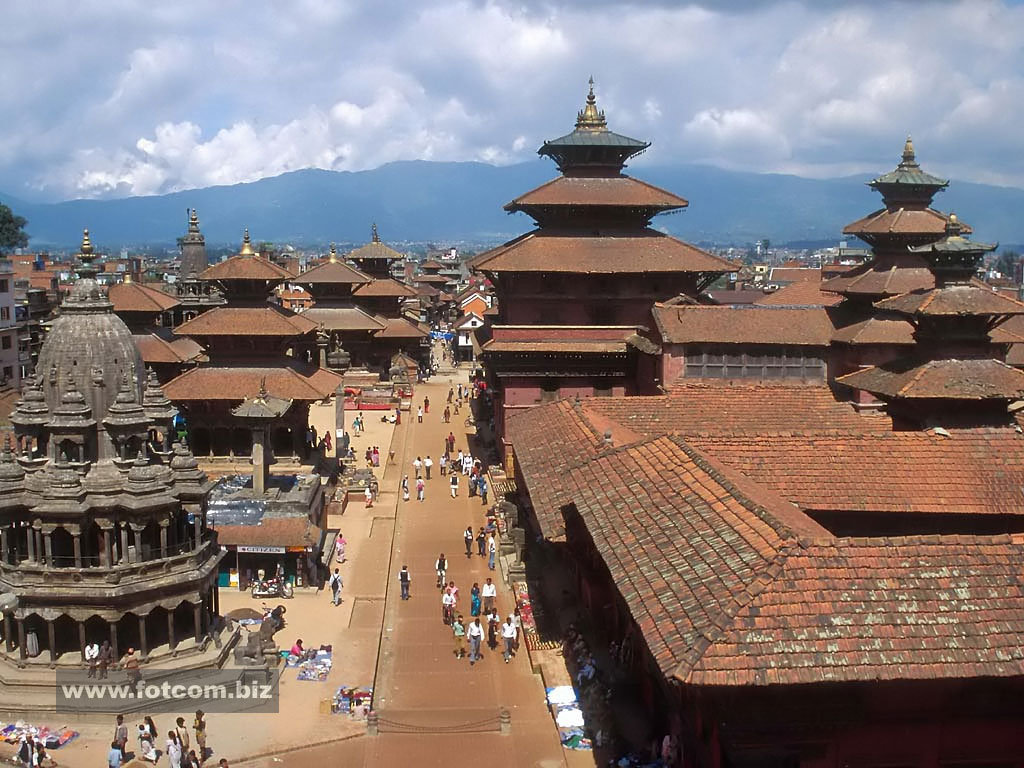
Kathmandu is considered to be one of the most beautiful cities in the world. At five thousand feet, it is certainly one of the highest. For a long time it has been the royal city of Nepal, and there are a lot of palaces representing the various dynasties that have ruled here, along with huge pools and parks indicative of their historic wealth.

Although there are a lot of Hindu temples in the city, Nepal was also the birthplace of the Buddha, and there is a strong Buddhist influence in the architecture as well, making for an interesting and eclectic mix. When our kids were younger they had all kinds of fun climbing up the Monkey Temple and exploring the narrow market streets with their overhanging levels of their houses forming a kind of canopy that was delightfully medieval.

Pam will get a day in Kathmandu in flying out of the country, but most of the time she has spent in Butwal, closer to the Indian border. Pam describes her stay as amazing, getting to meet many listeners of the programs that Trans World Radio broadcasts into the area. But it has also been physically challenging, as conditions in the area are pretty primitive, and accommodation has been quite basic.

For those of you who have written and are wondering when you will get a response, Pam should be back in a place where she has access to the internet by Tuesday. She tells me that she is fine, but tired and looking forward to getting some time back in Malaysia after so much time away.

Pam left for Cambodia on September 1, shortly after we got back from Laos and Thailand. With the exception of a week together preparing for her conference in Singapore, she has been gone ever since. It is Tuesday evening here in KL and a week from today, on October 22, my sweetie gets back from Nepal. It has been another long stretch.

We knew before we came here that her ministry would mean long stetches away. We were prepared for it, and at our age it is certainly manageable. I iron, clean and cook with the best of them, and the work load, even with all the prep and marking I do, is manageable.

But you don’t marry because you are not able to look after yourself. You marry because you have found someone that in some way that only the heart truly understands, completes you. To be separated from that one is hard, regardless of how well you manage the details.

I know Pam cannot read this where she is. It has been hard enough just establishing a text message connection for a brief “I’m okay.” But whereever you are sweetie, whatever you are doing, I love you and miss you, and wish you Godspeed.

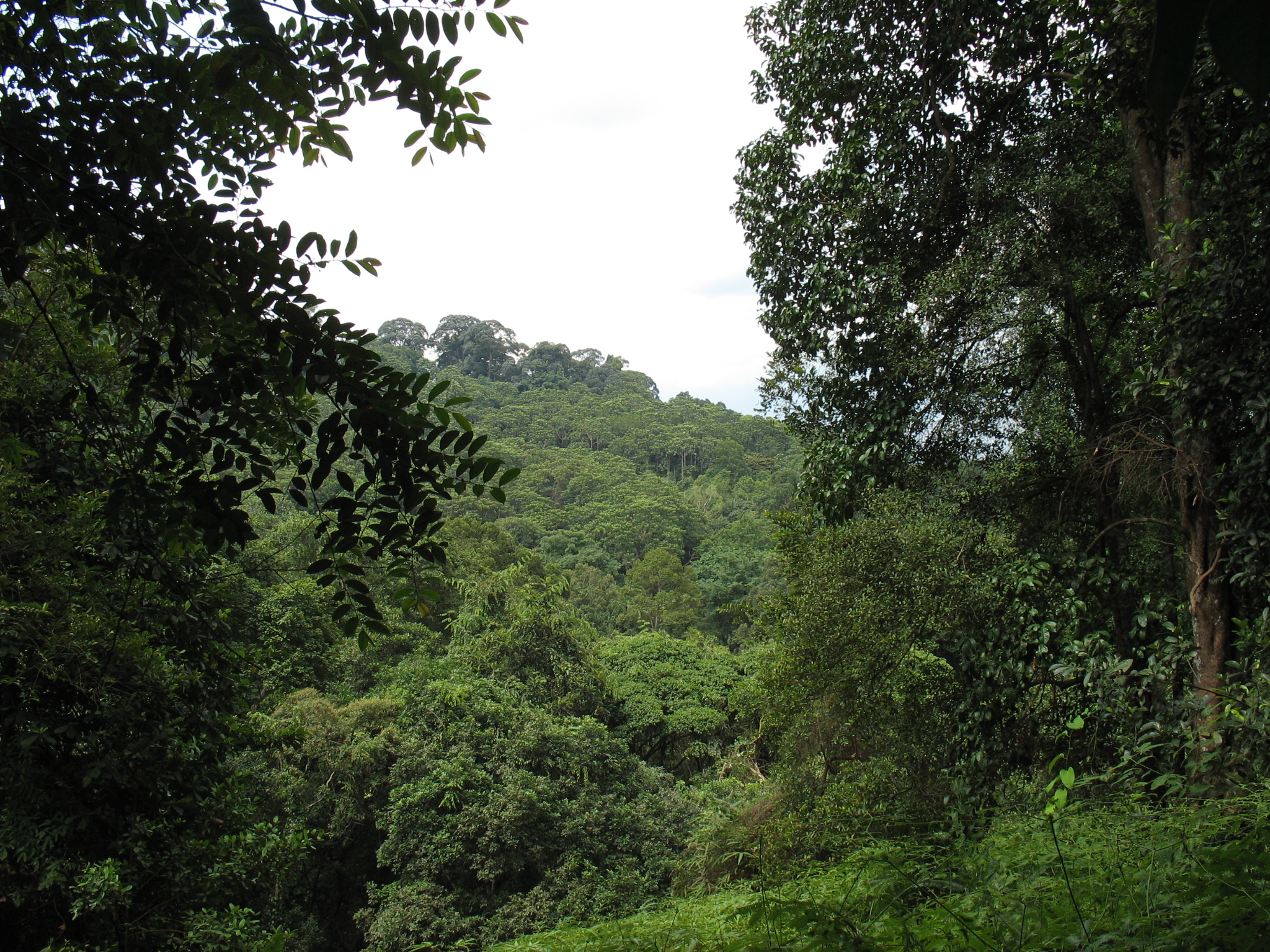
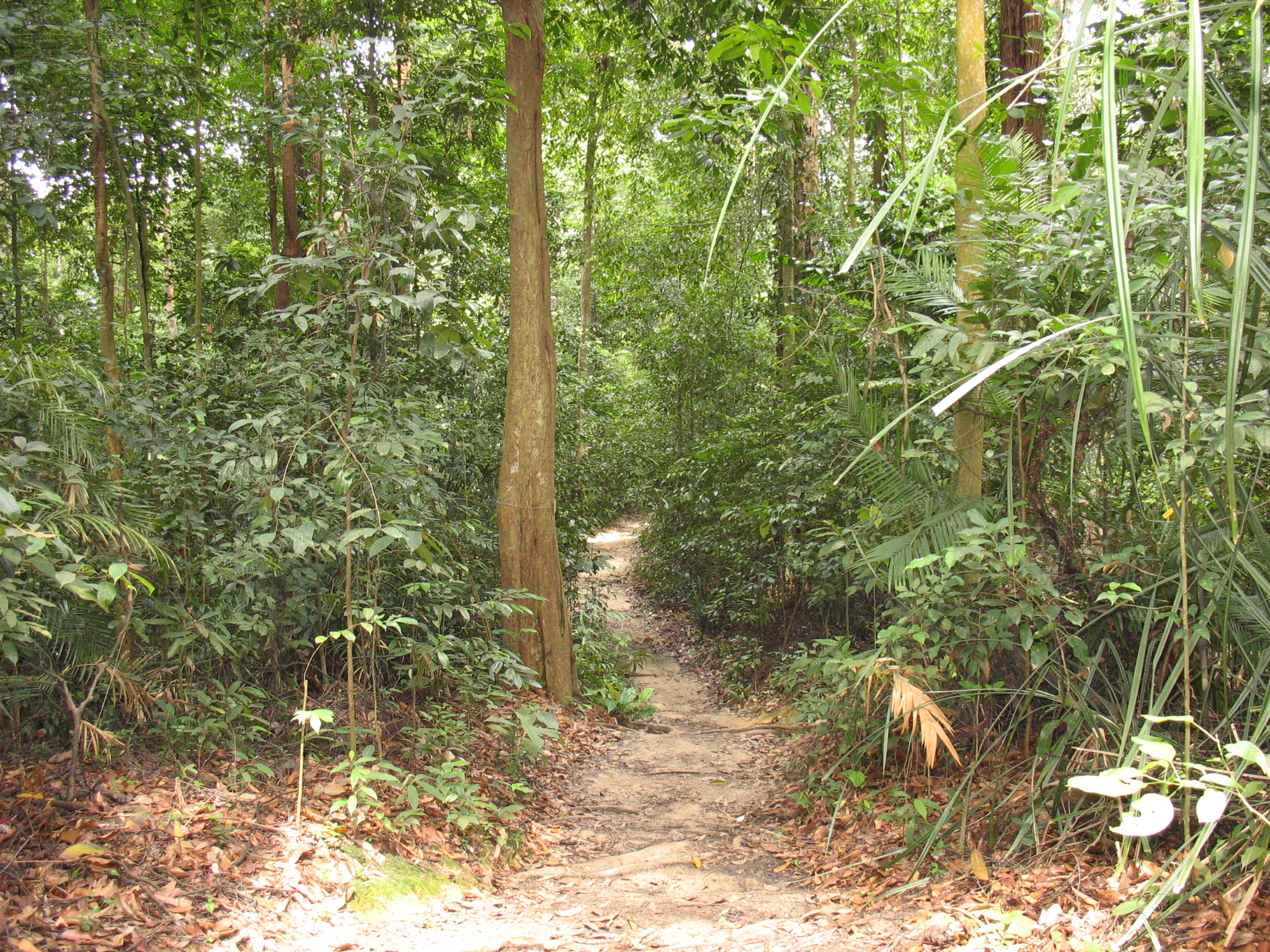
Singapore is a city of almost five million people, and it is confined to an island to the south of Malaysia. Being geographically limited in size, however, has not limited its appreciation of nature. East Park runs for miles along the Straits of Malacca, from just outside the core of the city all the way out to Chaingi Airport. Its paved walkways and manicured lawns and beaches are a great place for a swim or a stroll. But even more remarkable is a stretch of untouched rain forest, the Bukit Timah Natural Reserve in the heart of the city.

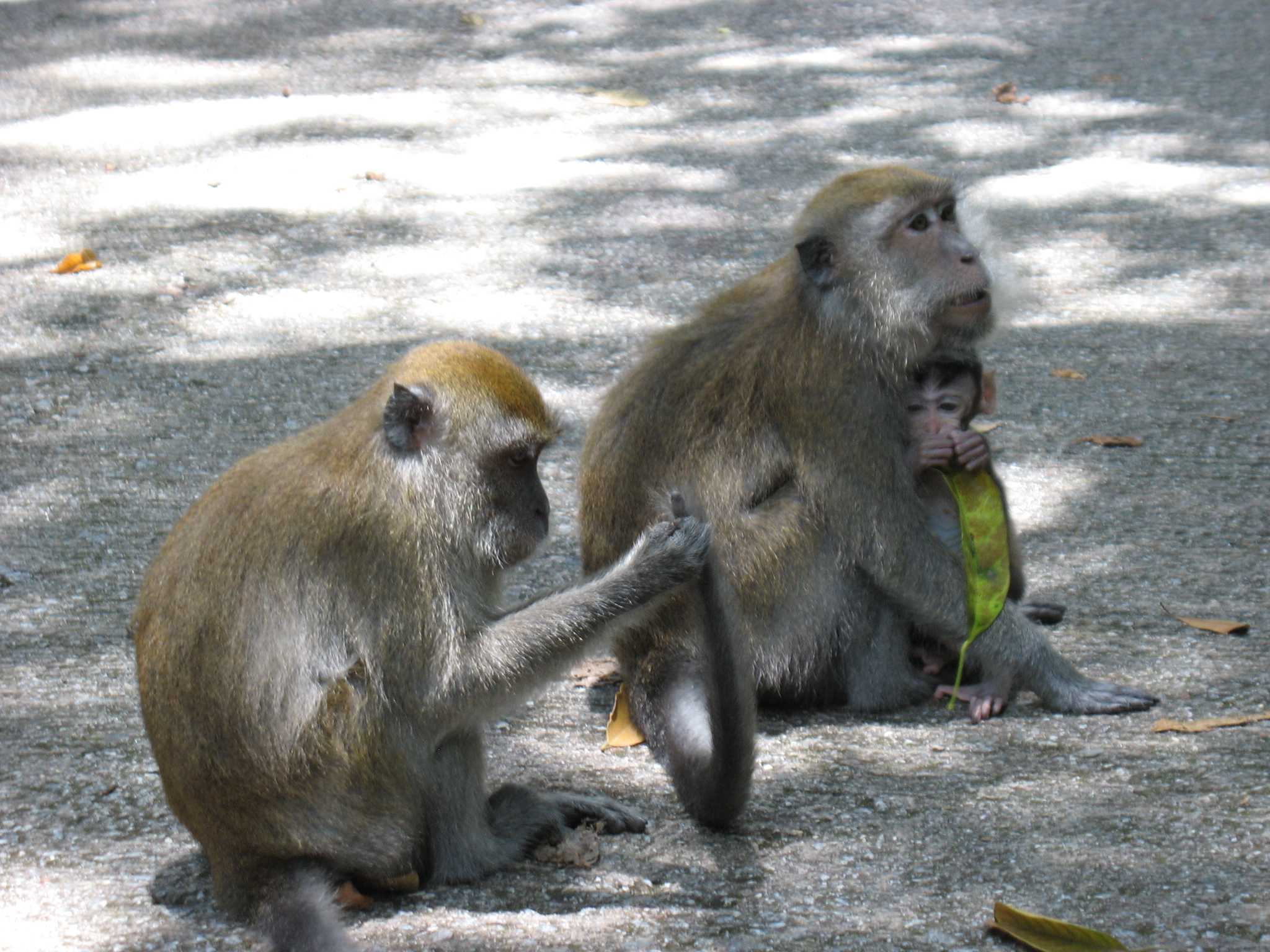
It is a stiff climb to the top of the hill, but the main path is paved, and even the forest trails are well maintained so that one can take a leisurely hike down through the forest. On the way to the top I caught sight of a troop of monkeys grooming one another. They were not spooked by my being there, nor were they eager for a handout. These monkeys behaved normally, neither in fear nor in dependence of man.

I saw lizards as well, some as long as your dining room table and plenty of butterflies, but not many birds. Many of the trees had small informational signs posted in the ground for those of us who like to know that kind of thing, so I was able to identify banyans and tamerinds and many kinds of palms and lianas that I hadn’t known about. Lianas (the vines that climb tree trunks) make up about 40% of the canopy in a rain forest. That’s a huge amount of oxygen production that is also lost when the tress are cut down, as lianas depend entirely upon those tress for their support.

How do you rate a city? What is your personal yardstick? Is it the height of the buildings, or their architectural excellence? Is it the night spots, the city life, the ease of traffic flow or its congestion, the level of public art or its civic governance? Perhaps you avoid cities entirely, as I did for the twenty or so years that we were raising children, preferring small town friendliness to big city angst.

Having grown up in what used to be one of the world’s great cities, and longing for that elan and flair, that sense of excitement combined with a sense of security that Toronto has long since traded in for mere size, I can tell you precisely what I look for in a city: people space. Cities that make space for its people, attract and keep quality people who appreciate the respect they are given by a city that values them being there.

What you are seeing are pictures of the Botanical Gardens in Singapore, a huge park in the center of town, about five minutes from the top of Orchard Road, the Bloor Street of the city. Within the park is an outdoor concert pavilion which was setting up for a Chopin concert on the Sunday evening. Note that the concert shell looks a little like the top of a pitcher plant. Note too that while there are chairs for the musicians, the audience is invited to sit on the lawn and enjoy the beauty of the surroundings.

In addition there are sections of the park set aside for spice and herb plants, fruit trees, palms of various descriptions, banzai trees and orchids, for which Singapore is internationally famous. There are over a thousand species of orchids on display, many of the newer hybrids being cultivated right on the spot and named after various visiting dignitaries, like the Princess Diana orchid, all white of course, and the red and black Nelson Mandela orchid.

Everything was laid out with such care that you couldn’t help feeling relaxed and at peace. The walkways were clean, the plants were well looked after, the staff were courteous. Even the food, normally a problem at such places, was excellent. Cities that makes such spaces for their citizens, that care about more than just the financial well being, but the social and emotional well being of its people, attract people and keep them happy. Singapore is fundamentally a happy place.

There is a nice stretch of Lakeshore Boulevard in Toronto that I like to drive. It’s that stretch down by Ontario Place that skirts the lake – you know the stretch I mean. There’s about three city blocks without a traffic light, and if there’s not much traffic you can outpace the Gardiner beside it. Okay, now imagine that the city planners had the foresight and the know-how to engineer all the major thoroughfares in the city like that: minimal traffic lights, three lanes wide in both directions, lots of trees, pedestrian crossovers lined with flower boxes, so there is minimal stoppage in traffic. The whole city. What would that be like?

Well it would be like Singapore, without the pleasant climate and lush vegetation. This is the only city I know where you can drive on tree lined boulevards for hours with practically no stop to the traffic flow. Oh, I know the rap on Singapore, heard it lots of times by people who are either too far away to know, or too close not to be affected by envy. It’s draconian, it’s repressed, yada, yada. That’s a lot of hooey. People are not immigrating to Singapore from all over Asia because it’s repressed. Their moving there because it is a great place to live.

But it’s not really an Asian city, is it? The answer to that depends on how racist you are. No, it is not an Asian city if your ethnocentric bias insists that an Asian city must be poor, filty and backward in order to qualify. Singapore is none of the above. Instead it is intelligent, courteous, thoughtful, considerate, friendly, environmentally conscious and protective of its natural and human heritage. And yes, those are Asian values, and Singapore is a delightfully Asian city.

Lee Kwan Yew, who is the father of modern Singapore, started with a very simple idea. He decided to hire the best possible candidate for every position that needed to be filled, regardless of race, and pay them the highest possible wage so they would not be tempted by corruption. Singapore adopted a firm hand with criminals so that honest effort would be rewarded and criminals would move elsewhere. Forty years later and this city serves as a model of civic savvy.

I suppose I am a little envious myself of those who get to live there. But then, if we lived there, it wouldn’t be such a great place to get away to for a visit. Pam, the lucky thing, gets another week there without me, but I think she will be a little too busy for sightseeing. It is the week of the conference, starting today. We did actually manage to get a fair bit done in preparation while we were there this week, so I hoping it all goes well for her. For me, it is back to Macbeth and a stack of marking. I’ll try to get some pictures up over the course of the next few days.

Kuala Lumpur is no place to drive. The roads are poorly engineered and poorly maintained. On the way to work scrap iron dealers have removed all the storm covers leaving huge holes in the paved surface of the road. Road crews occasionally place pylons in these holes, but they get stolen as well. More often than not these holes are marked with parts of trees, or old styrofoam containers. They have been that way for six months. No one does anything. No one expects anyone to do anything.

And don’t get me started on the drivers. A small bribe gets anyone a license, and the only sure rule of the road is that the the bigger vehicle will do you more damage. Everyone MUST have a car, as that is the only sign of your social status that everyone here recognizes, so the roads are absolutely packed. There is no point in driving in the city, it just leads to trouble.

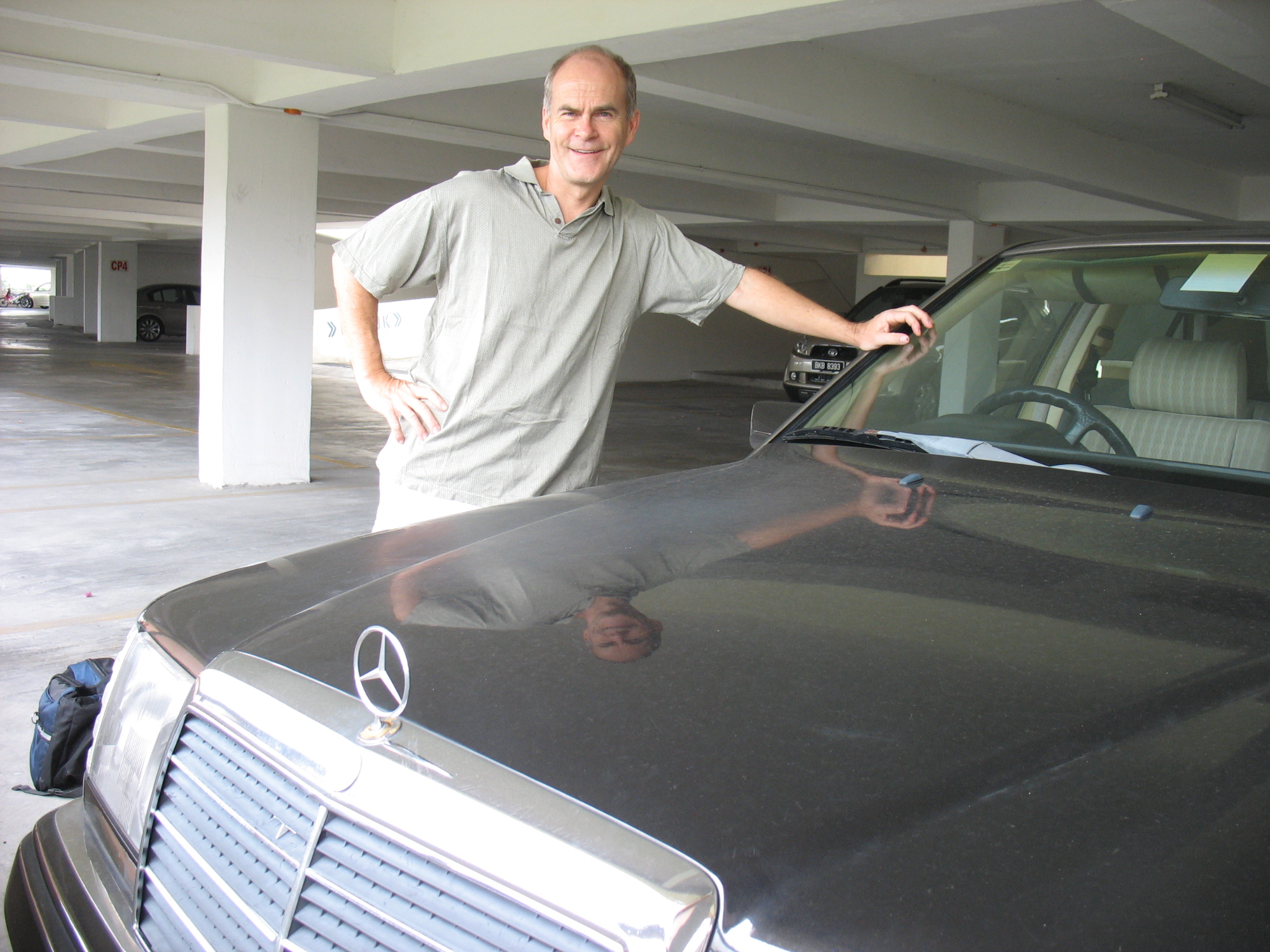
But driving in the country is different. The highways are well built and maintained and the scenery can be absolutely stunning. We are off to Singapore tomorrow, and I have borrowed a car from a Chinese friend who runs the cafeteria at the College. He has three vehicles, a van, an SUV and a Mercedes. He loaned me the Mercedes. It is a big hulking brute of a car with very little muscle under the hood, but it is a pretty sweet ride. We will try to post from Singapore, and we will certainly pick up our mail, so stay in touch.

Enjoy your children. I will end here as this is the cheeriest thought on which to dwell. Your children are a gift from a loving God, sent to bless, encourage and challenge you to grow. I read somewhere that being a parent is your last and best chance to grow up. I never knew what that meant until it happened. Through my children I have begun to learn what it means to be a humane, caring man. They inform my outlook on life even though they are now grown. My responsibilities to them will never be over, but they now are reduced to such an extent that I can fully enjoy the gift that they have been, and continue to be to both Pam and I. It is a great responsibility to be a father, but it is a great privilege as well.


In these last seven posts I have sought to put down some of my thoughts regarding parenting. I don’t claim to be any kind of expert; these are just some of the things I have learned; that my children have taught me. If you got something out of them, great. If you didn’t, that’s fine too. But nobody has children to learn lessons; you have children to have fun! And lessons, aside, what truly remains when they have grown and gone is the memories you have of them: dressing them up for Halloween, going to the beach at Port Stanley, teaching them how to swim and ride bikes and ski, going to Disneyland, and the cottage on Georgian Bay, living in Malumghat and Kandern, seeing the Himalayas, and St. Peters, climbing the Eiffel Tower, and the Monkey Temple. These things may mean little to you, but to Pam and I and our kids they bring back a whole host of associated memories that flood the mind and stir the heart.


It was wonderful being a parent. I feel so blessed and fortunate. Everyday I thank the good Lord that in His great goodness He gave me these wonderful gifts. If you are a parent, you will know what I mean. If you are not, may the Lord bless you with children, as He has blessed both Pam and I.

« Previous PageNext Page »