Leaving England was difficult. I was born in England in the little town of Colchester, and although I had visited my parents many times since they retired back to England in 1968, I had only lived there myself for a few months since I was a child. Living in England for the last four years was a wonderful experience for both of us. We got to visit with my family over Christmas and Easter meals, and were able to help my cousin Ros move from Kent to Oxford.

We also found ourselves gainfully employed by God with Teach Beyond in Horsham. We were blessed with pleasant colleagues who made service a joy and we enjoyed walking to work in the Market Square and taking part in the life of the delightful little town of Horsham. The park across the street from our little flat was a great gift from a gracious God that uplifted our spirits with its spacious grounds and glorious gardens.

We also enjoyed attending church at Trafalgar Rd. Baptist where we found prayerful folk of our own age who loved the Lord with a deep and gentle faith. After an absence of many years, I got to serve with my voice and guitar on the worship team, which was a wonderful privilege and blessing.
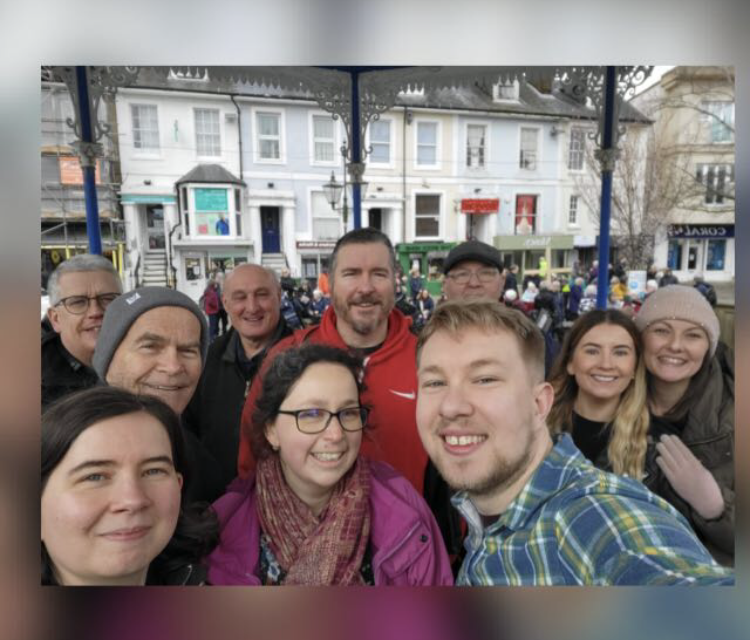
We found England to be an easy jumping off spot for Europe and the Middle East and destinations even further afield, allowing us to go to far-flung places in Central and South Asia and even get as far as Bangladesh and Vietnam. Although the crisis in Gaza brought an early end to our further travels, we managed shorter excursions to Europe of a personal nature to places we had long wanted to visit.

But coming back to Canada at some point was going to be inevitable. We are getting older and our apartment in Ontario had been vacant for several months. We were actively considering coming home for some time before Randy’s accident. That unfortunate event was just the final argument in a decision that was becoming overwhelmingly plain to both of us.

However, that doesn’t mean that leaving England was easy. I had reconnected with my natal family, and we had established several good friendships in Horsham. We thoroughly enjoyed our trips to the countryside and National Trust properties, and to the cathedrals, parks, castles and lovely gardens of this delightful land.
We hadn’t accumulated much during our stay. We never do. But the few things that we did have were easy enough to give away to the charity shops that we had often shopped in ourselves. We put our tiny flat back into order and packed up the few clothes and books that we owned in three suitcases. The fourth was my guitar case. I wasn’t leaving the Gretsch behind!
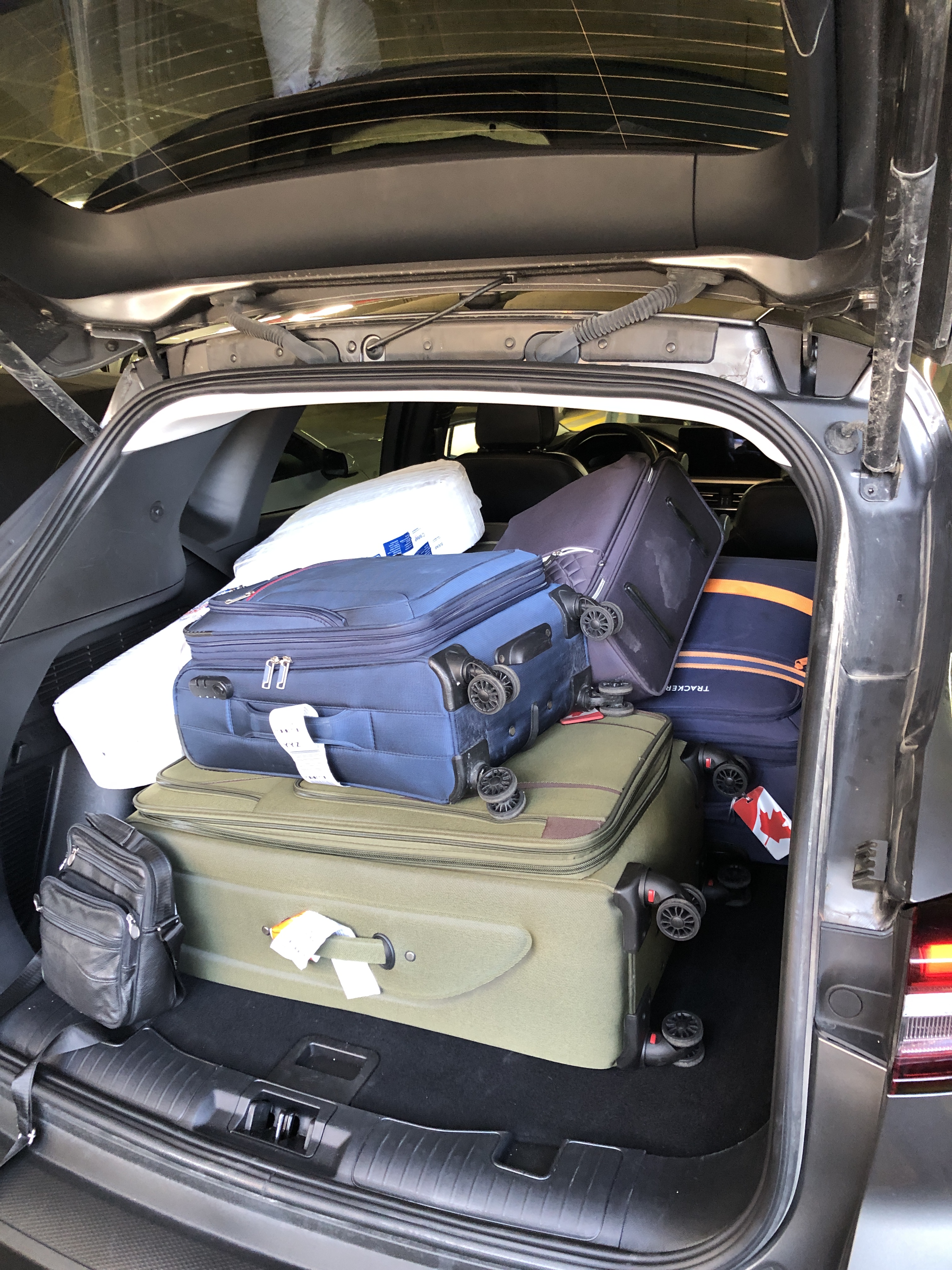
We do hope it won’t be the last time we get to see England, but it will certainly be the last time we get to live there. We leave with gratitude for the opportunity that we had to spend these last four years in such pleasant surroundings, and we look forward with some degree of anxiety regarding the road ahead for us in Canada. We are praying that the Lord will watch over us and guide us safely as we transition back to a life that we left behind so long ago.

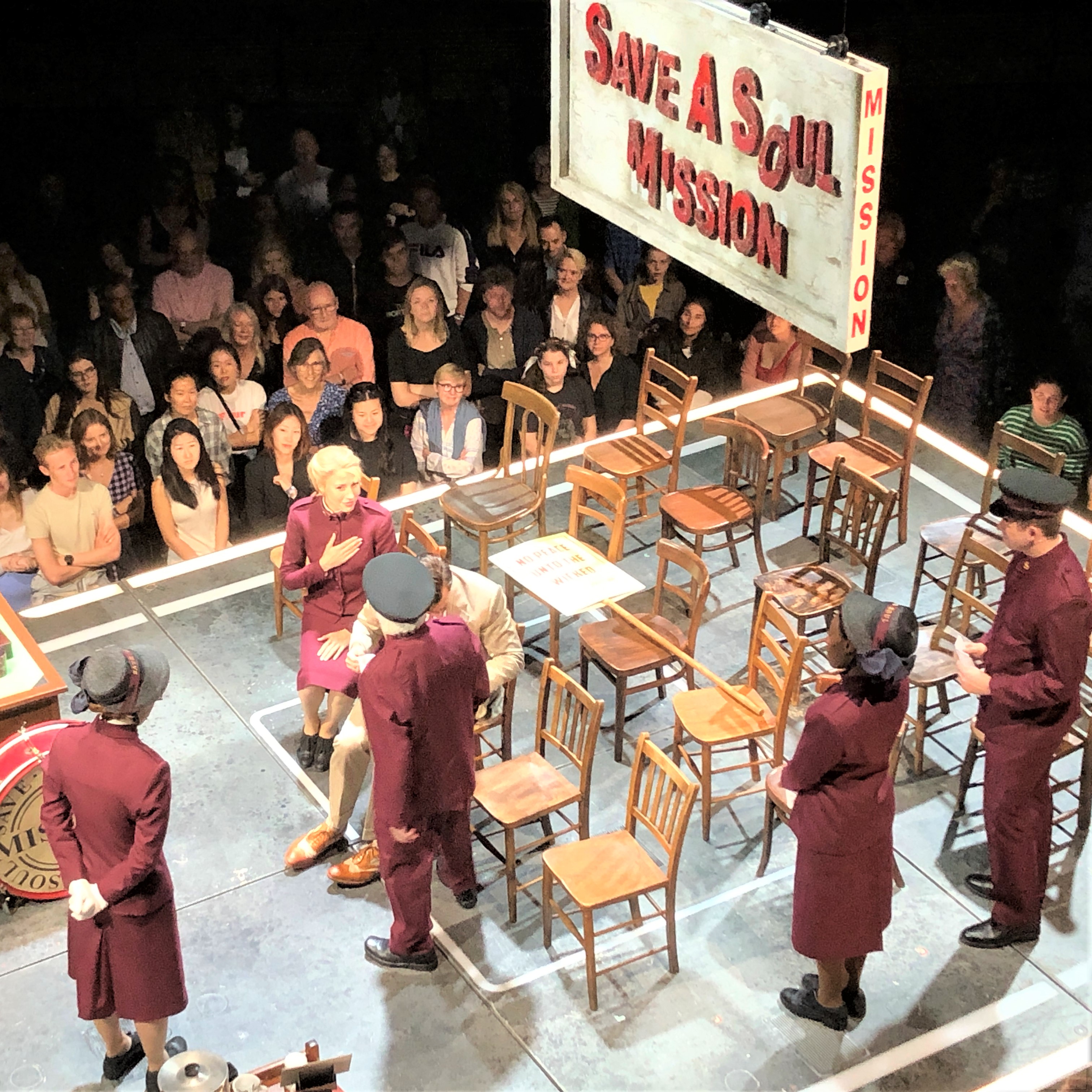
With a successful outing in the English countryside behind us, we decided it was time to get back into London and see a musical. London’s theatre district, known as the West End, is the largest in the world with over 100 productions going on in the city at any one time. A dizzying choice to be sure! Relying on our colleagues for advice once again, we opted for a production of Guys and Dolls at the Bridge Theatre.

The musical was first staged in 1950 on Broadway. Based on a series of short stories by Damon Runyon, it tells the stories of gamblers and con artists of 1930s America and the eventual reformation of its lead character through the power of love. The 1955 film with Marlon Brando, Jean Simmons and Frank Sinatra was a huge success and the musical has been revived numerous times since then.

The Bridge Theatre is an innovative theatre in the round with movable floor sections on tracks and hydraulic hoists so that scene changes happen dynamically while the actors move about. The audience is invited to watch the production from the stage floor and become part of the play as various characters interact with the audience.

We had good seats from which to see the action, and Steve couldn’t resist going down to the stage floor to buy some salted pretzels being sold before the show and the audience milled about on the stage floor. This was all part of the director’s design to get the audience connected to the play and city life of the time that it portrayed.

Nicholas Hytner, former artistic director of the National Theatre, is the force behind the Bridge Theatre, and is determined to revitalize British theatre. This musical certainly was evidence of that. The energy, style, wit, and exuberance of this production was exhilarating and had us all on our feet whooping and cheering along with the final song. It was a thoroughly entertaining day and another wonderful outing to encourage our return to England.

Aug 2023

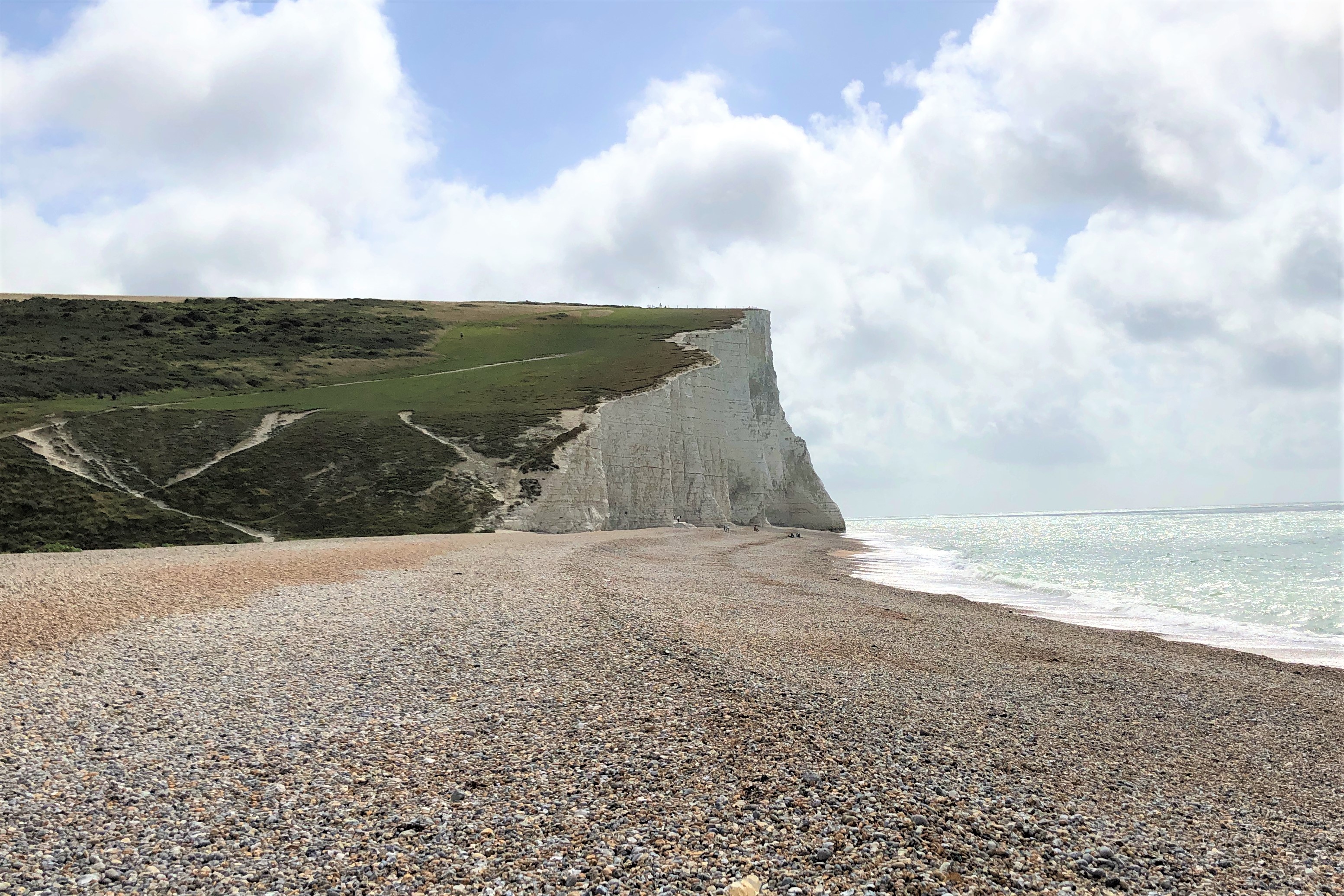
On our return to England we were determined to use our time more wisely to see more of this lovely country. We had long heard from the colleagues we work with that the nearby Seven Sisters would be worth a visit. So we packed up a picnic lunch and headed on down to Seaford in East Sussex to have a look.

As with most nature walks in this country, there was plenty of parking available nearby and clearly marked signs down to the waterfront. It was a longish walk across a pleasant pasture down to the sea, but the day was sunny and bright and the views on the way did not disappoint.

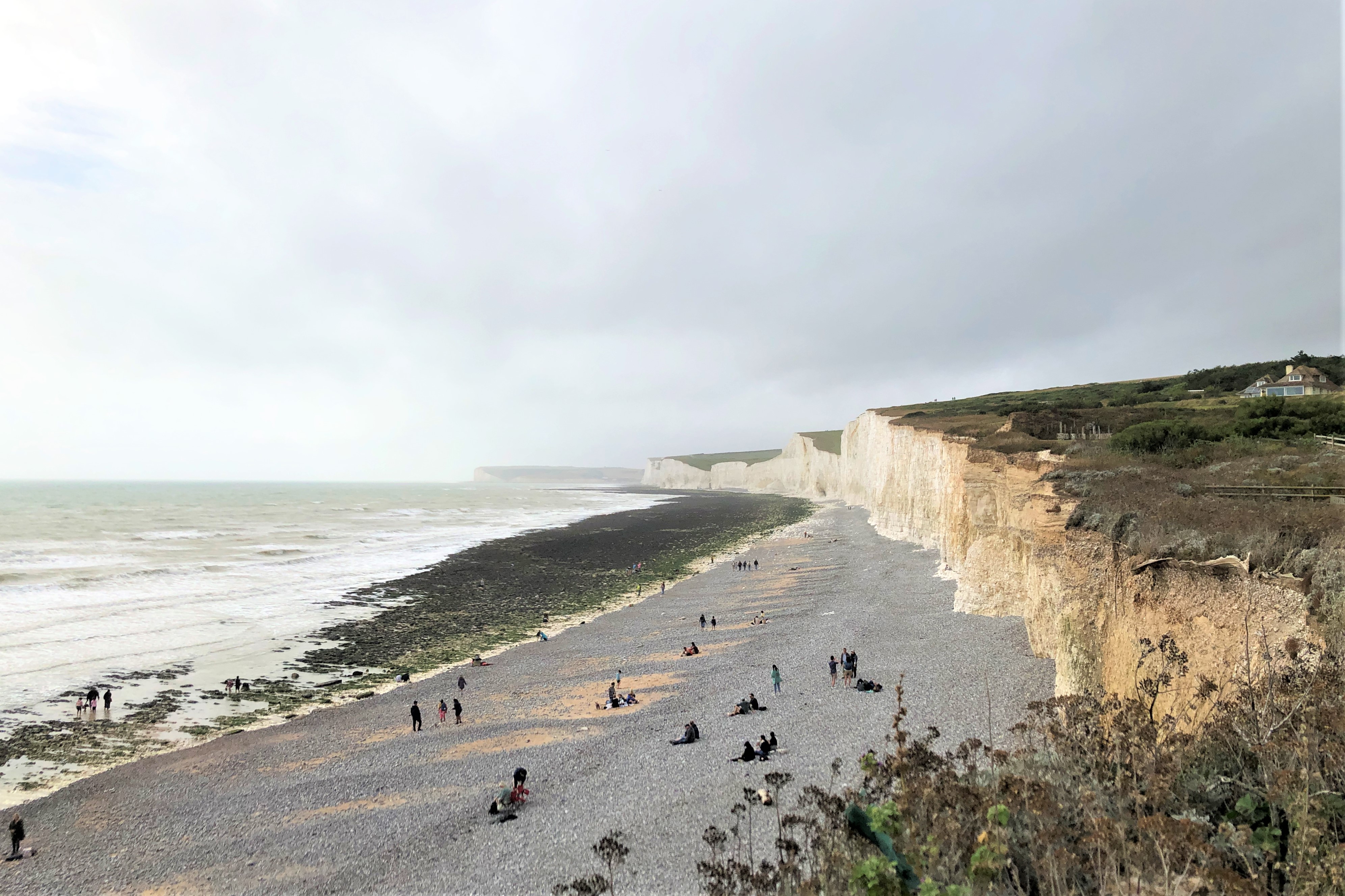
The cliffs run for nearly nine miles along the Sussex coast, from Seaford all the way to Eastbourne. Like the more famous cliffs at Dover, the Seven Sisters are also chalk, the sedimentary remains of sea creatures of an ancient seabed lifted by tectonic activity. They are often used as a stand-ins for the cliffs at Dover, featured in films like Robin Hood, Prince of Thieves and Harry Potter and the Goblet of Fire.

We walked a mile or so down the pebble beach in the gusty wind to where we could find a sheltered nook in the cliff wall and had a coffee and a light picnic lunch while we watched the tide roll in and the terns and seagulls riding the wind above the waves. It reminded us a little of a day at the Bay of Fundy on a trip to Canada’s east coast. Though the tides were not nearly as pronounced here, the cliffs themselves we stunning.

Rather than walk the length of the cliffs, we opted to drive into Eastbourne to see the farthest end of the Seven Sisters. As with most English seaside towns, there was the obligatory pier with its cheesy entertainment, and a scattering of brave souls on the pebbled beach huddled in blankets. But the cliffs were just as dramatic and certainly well worth the visit.

Aug 2023

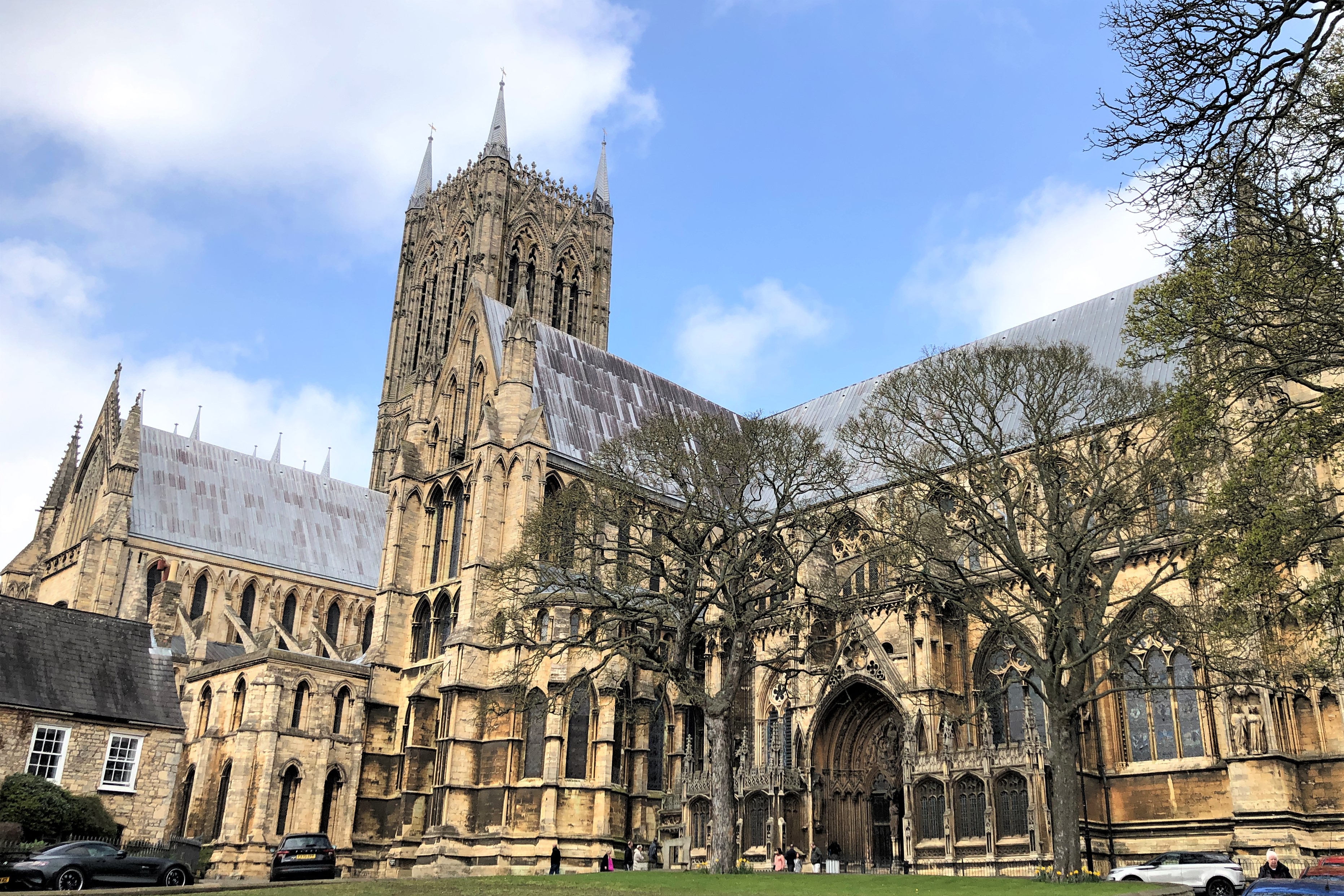
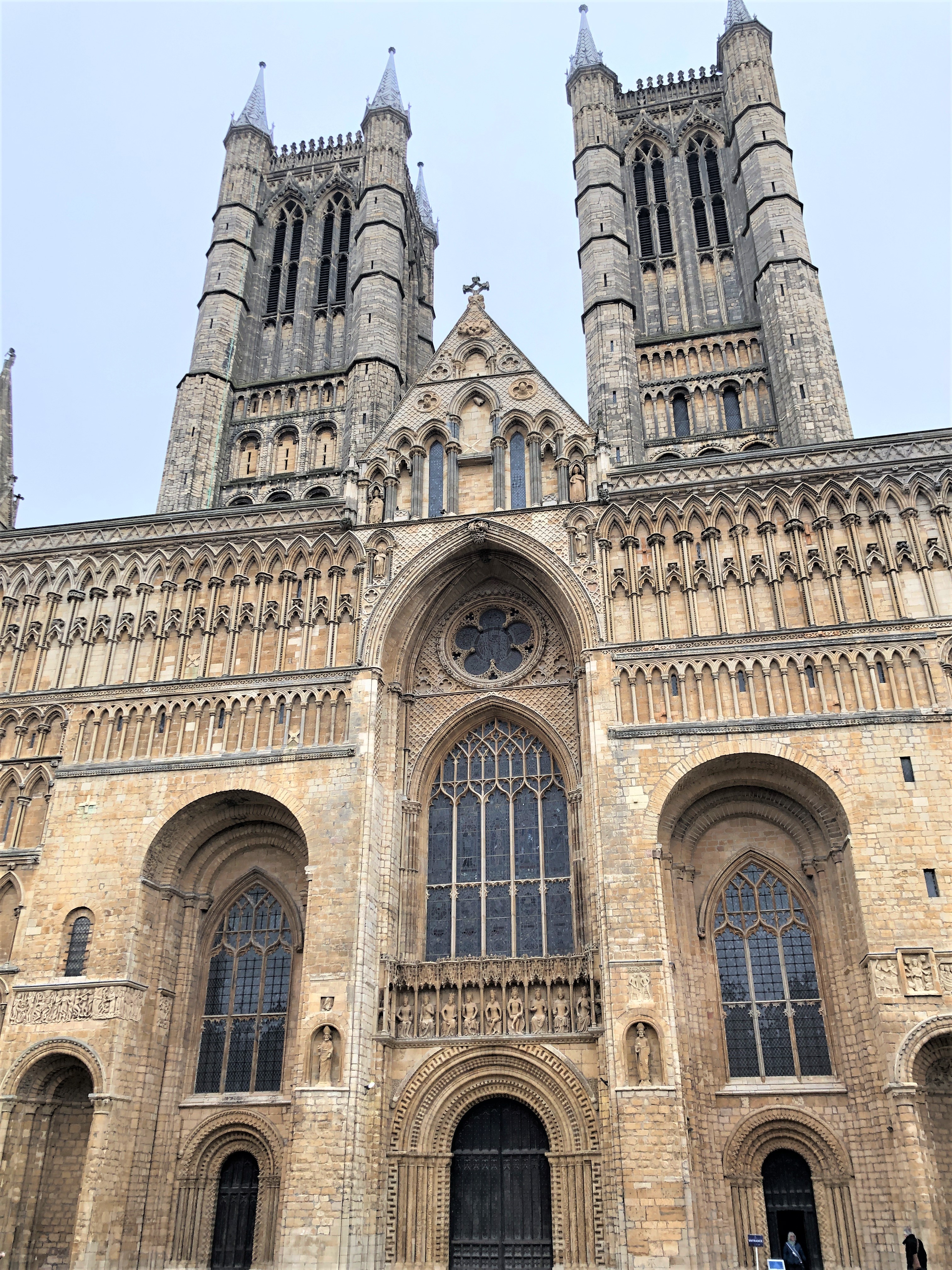
I cannot come to this part of the world without seeing Lincoln Cathedral. When my parents returned to England in 1968, they lived in Thonock Close, just beyond the cathedral grounds, and I got my first glimpse of the church towering over the Lincolnshire countryside in September of that year when I flew over for a visit. I was suitably impressed and remain so every time I come back to Lincoln.

Started in 1072 under the reign of William the Conqueror, it was originally designed to be in the Norman style. But it was not completed until 1311, and by then the original design had undergone several modifications resulting in the Gothic masterpiece it is today. From its completion in 1311 until early in the last century, it held the title of the world’s tallest building, although its tallest spire has since collapsed.

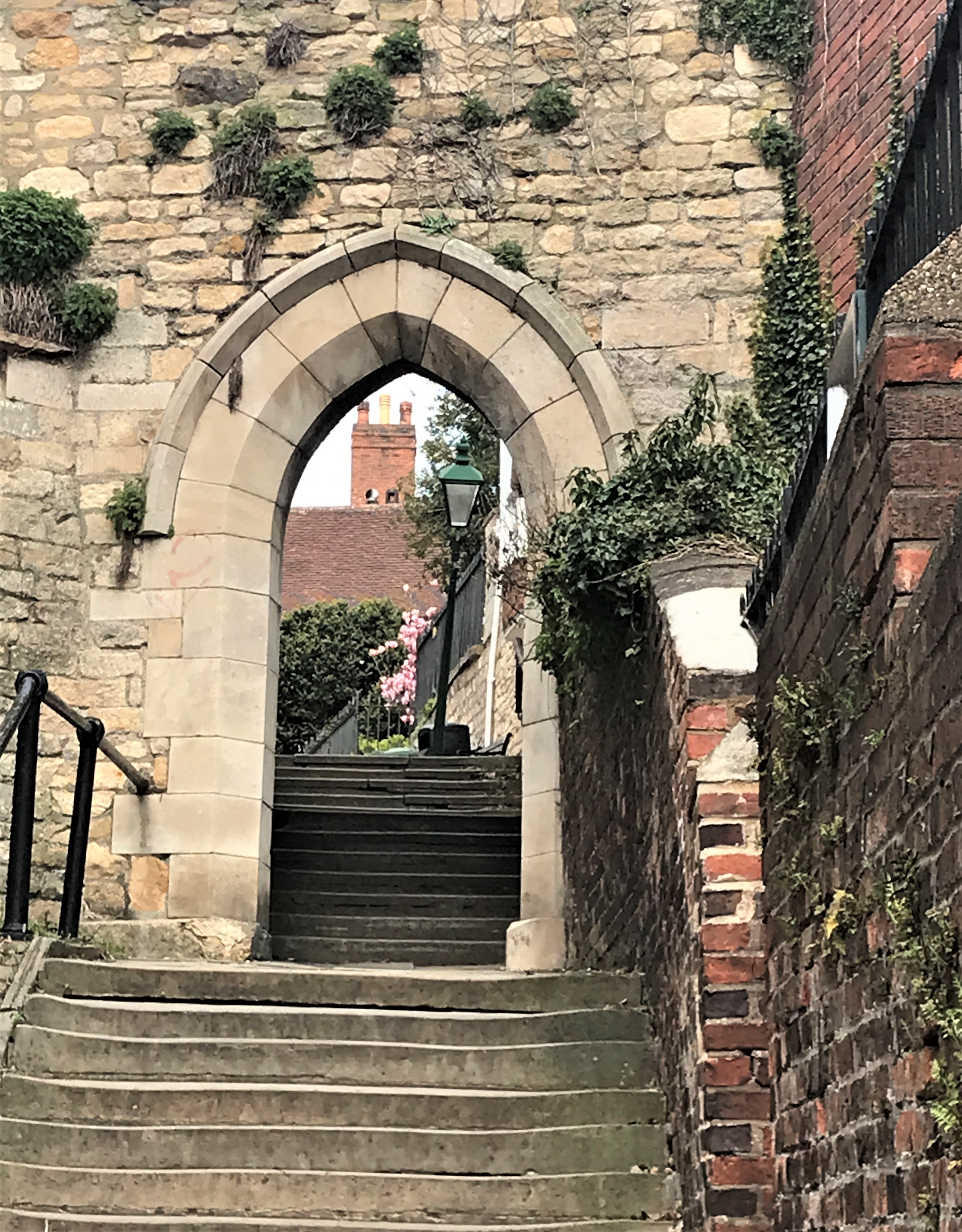
Lincoln always reminds me of my parents who lived and died here, Dad passing away in April 1995 while we were serving at the Black Forest Academy in Germany, and Mom in November 2013 while we were living in Malaysia. I have fond memories of my many visits to see them over the years, with walks, pubs, and teas shops still warm in my mind. Every arch and alleyway resonates with their presence. It is my fervent hope to see them both in heaven when I arrive, perhaps with a half pint of bitter and a Harvey’s Bristol Cream Sherry in hand.

April 2023

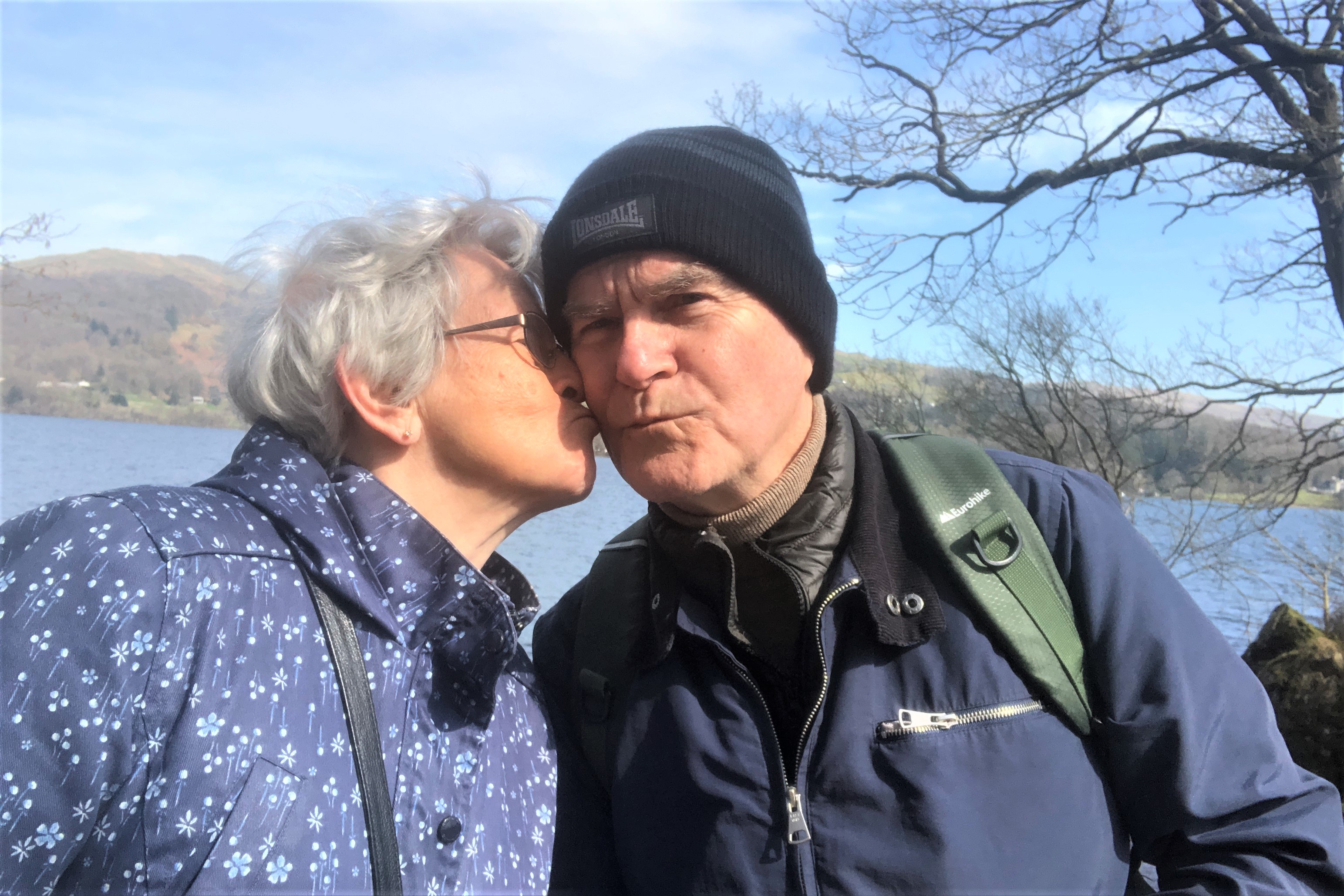
For reasons likely beyond our pay scale, Teach Beyond has two offices in the UK, one in Horsham and one in Lancaster. Having never been to the Lancaster office we decided to combine mission business with a trip to the Lake District, one of our favourite parts of England. We booked a room in Orten, just on the eastern edge of Lake Windermere and found ourselves in a charming little cottage with a chocolate shop and a lovely little coffee shop/bakery nearby.

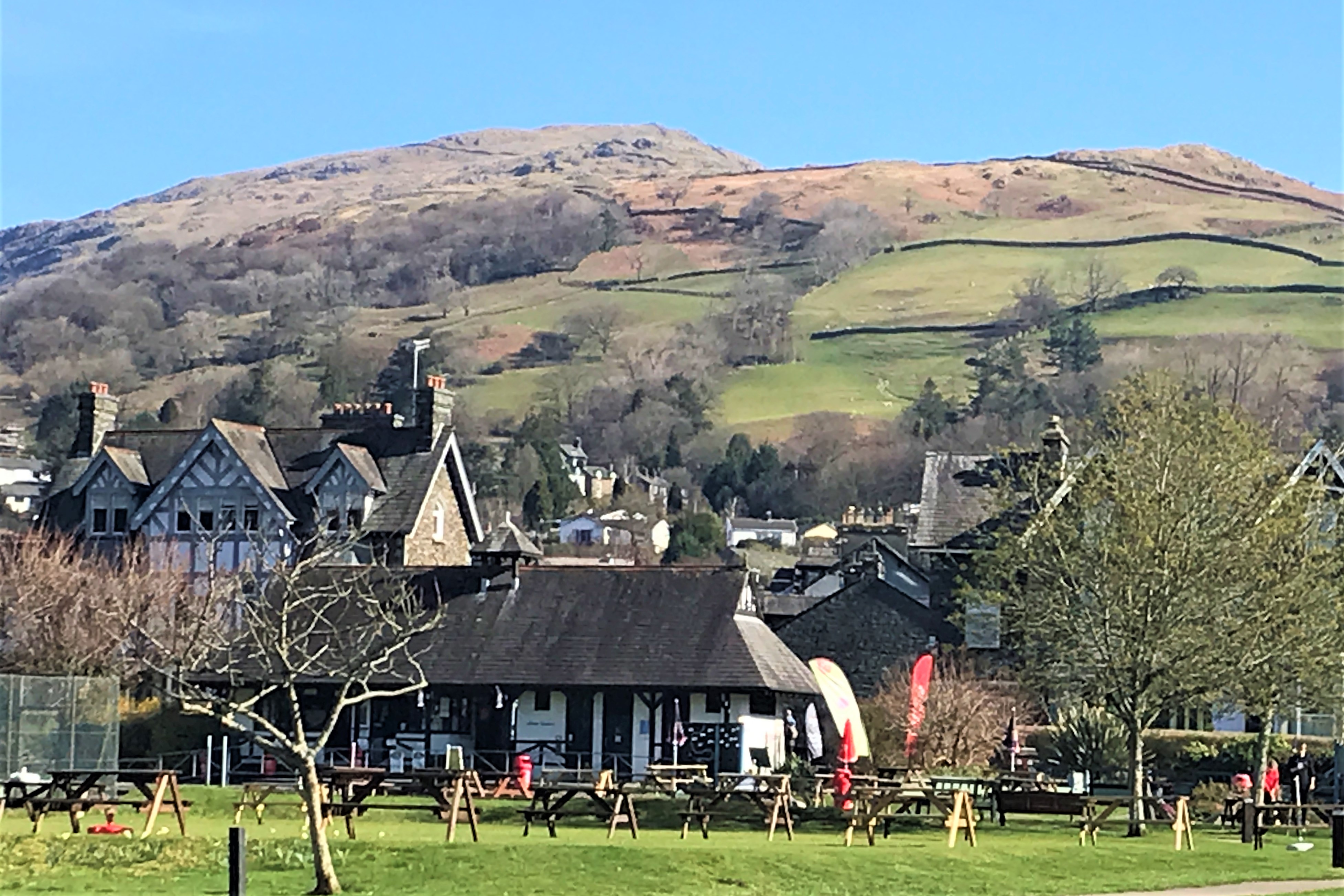
After the obligatory visit to the office, we headed out to Lake Windermere and began our tour of the area. We started our little tour in Ambleside on the eastern side of Lake Windermere, and it was just as delightful a village as you see in the tourist brochures. Parking was an issue, as always in this country, but we are learning to grab the first site we see and just walk from there into town. It is a few more steps but avoids the hassle of endlessly looking through town.

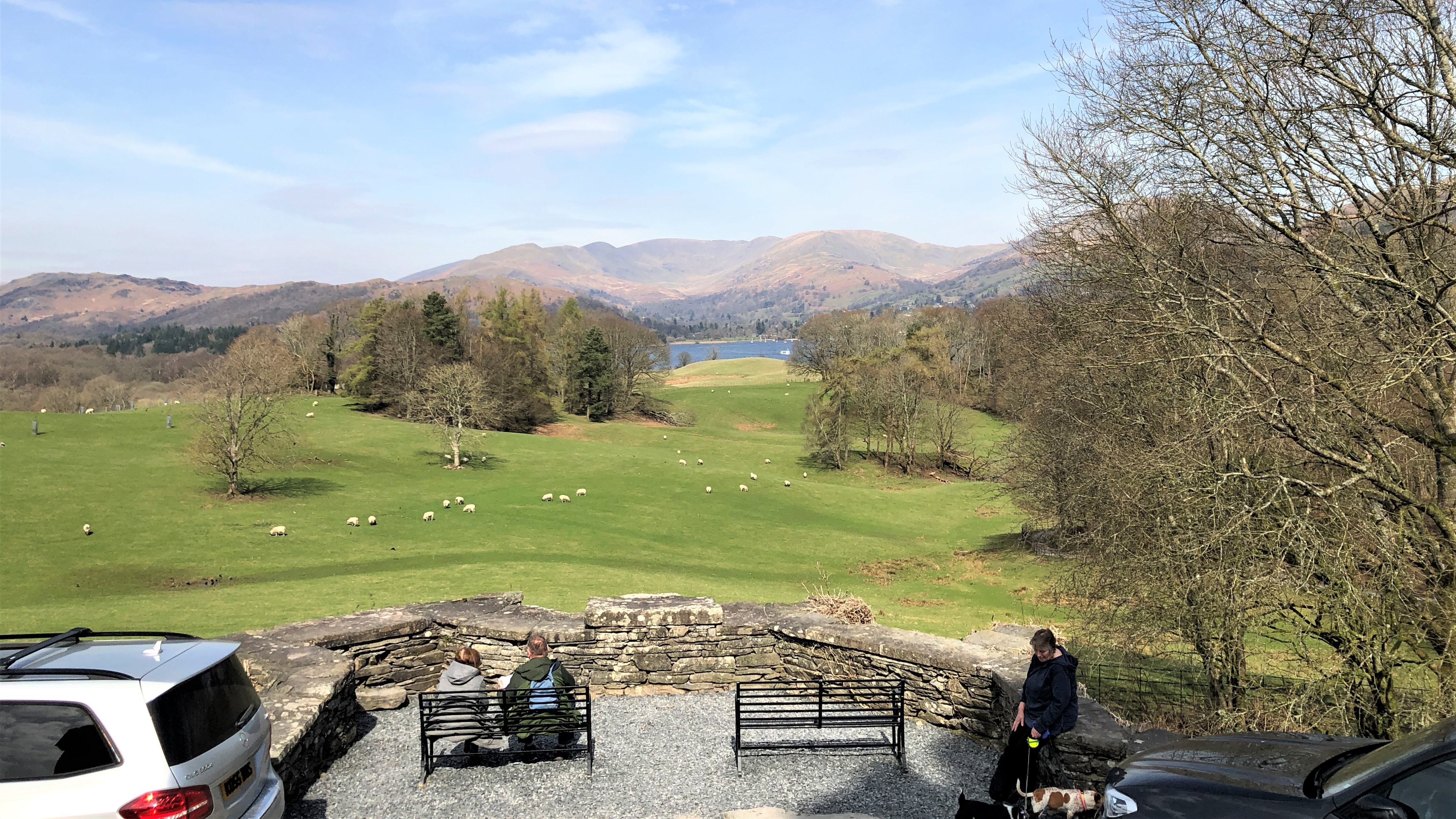
Finding our way back to the car, we made our way around the southern end of the lake and back up the western shore to the Wray estate. This is a vast and sprawling property with gorgeous views of the rolling hills leading all the way down to the lake. The Wray estate was one of the first properties acquired by the National Trust, gifted by Sir Norton and Lady Barclay who along with Beatrix Potter had bought land around the lake to keep it out of the hands of developers.

The estate itself had been lovingly preserved, and we spent a most pleasant afternoon strolling through the property and around the grounds back down to the lake. Overhead we could hear the roar of UK Airforce jets screaming by on maneuvers, a remind of the flight training that this country had offered to Ukraine to prepare them to fly the French Mirage fighter jets.

Despite the cool breeze coming off the lake, the day was sunny and bright and the ground dry underfoot. The path down to the lake was well travelled by early tourists such as ourselves and was a gentle climb both down and back up that brought a smile to our faces and joy to our hearts. We count ourselves so very fortunate to continue to have good health so we can enjoy these little adventures well into our seventies.

Making our way to the south of the lake to Colton, we stopped for tea and scones at a café overlooking Windermere and the steamers that take tourists up and down the lake to see the countryside’s rolling hills and villages. The patio deck was glassed in and we were happy to sit in the sun and sip our tea. Then it was a short drive back to Kendal where we found a little pub with a table by the fire for an early supper before heading back to our little cottage. It had been just a glorious Spring day and a great encouragement to our spirits.

April 2023

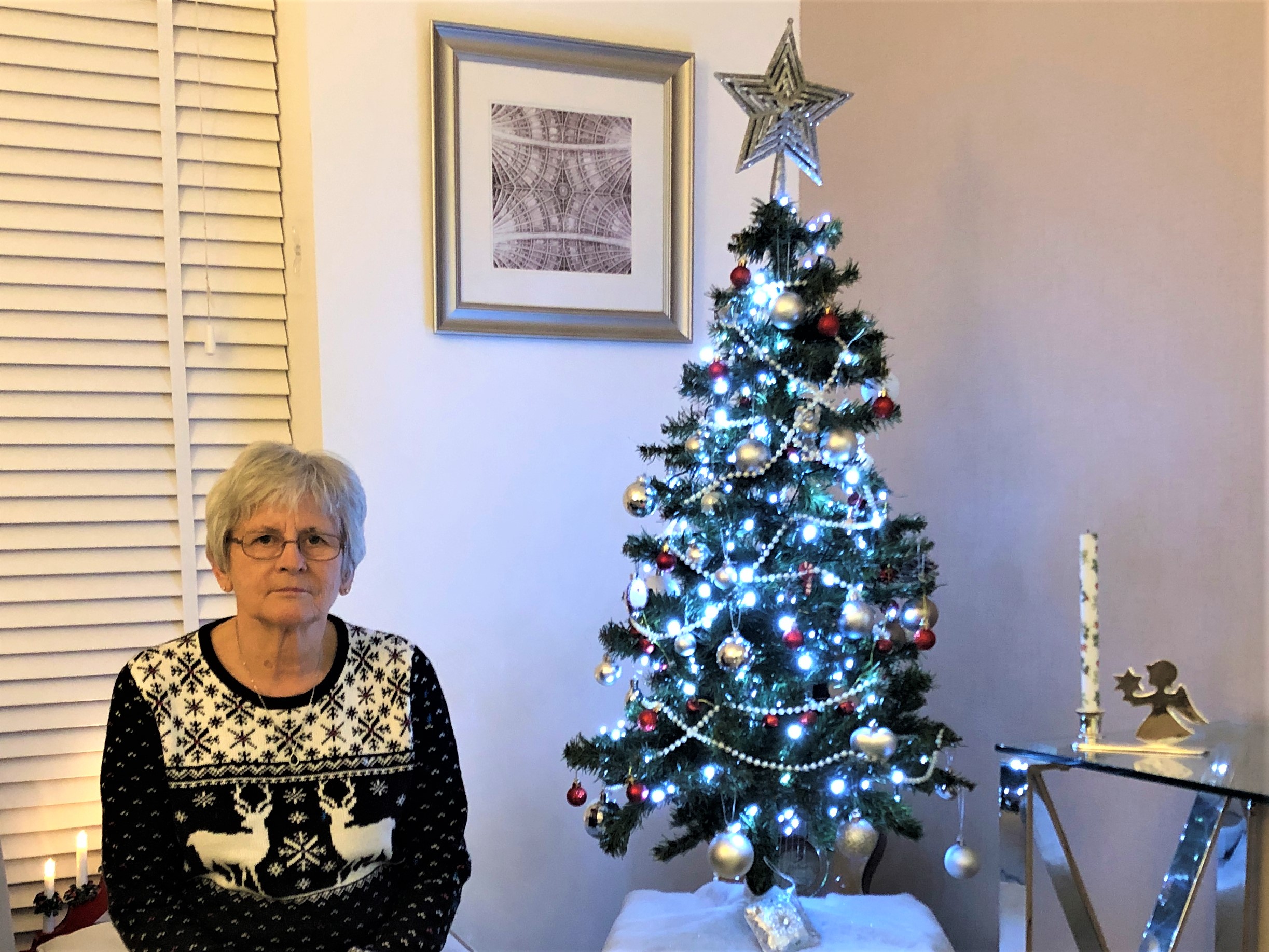
Deciding to stay on the mission field over Christmas is never an easy decision. Your heart wants to be elsewhere, but your pocketbook won’t let you. Having extended our budget for mission trips and conferences this past year as far as we were able, the finances just would not allow us to go home to be with family. So Pam trimmed the tree and baked some cookies and we hunkered down as best we could in our newly adopted land.

The situation was helped by an unexpected snowfall that covered the nearby park and garden with what in Canada would be considered a light dusting. For southern England it was a shock to the adults and delight to the children who made the most of what little they could find.

Our Horsham office had decided that they would all like to go the Winter Wonderland Fair going on in Hyde Park in London, so we bundled up with our colleagues and their kids and spent a very pleasant afternoon among the rides and market stalls of the fair. It was cold enough to make ice and busy enough to stay warm among the crowds, and with a spirit of camaraderie our staff enjoyed the day.

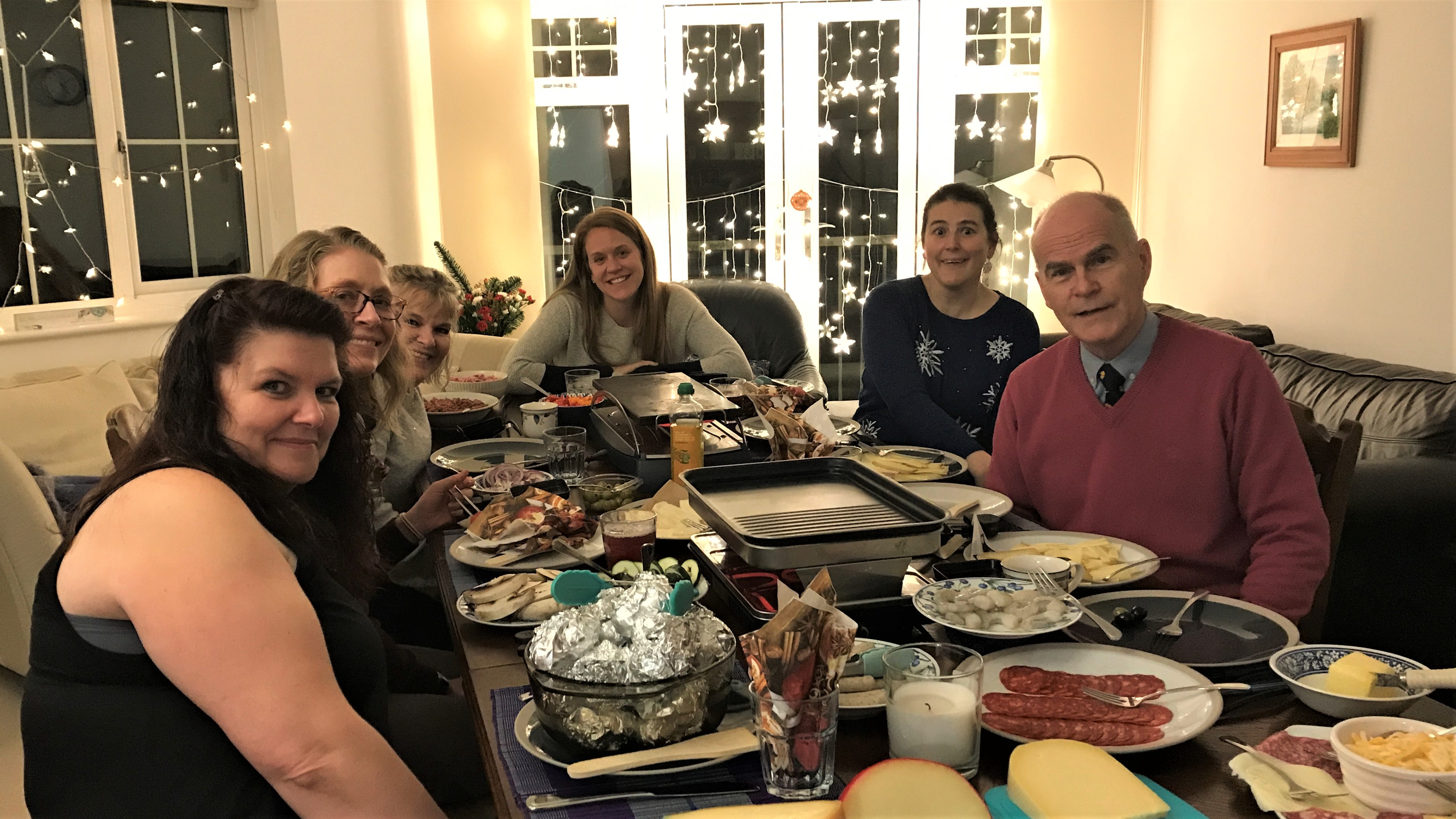
We followed up that event with a Christmas dinner that was a little more unusual than the typical meal. One of our staff had a raclette stored away, so we dragged that out and each of us brought something for ourselves and something to share with another and we had an abundance of food and fun that encouraged us all.

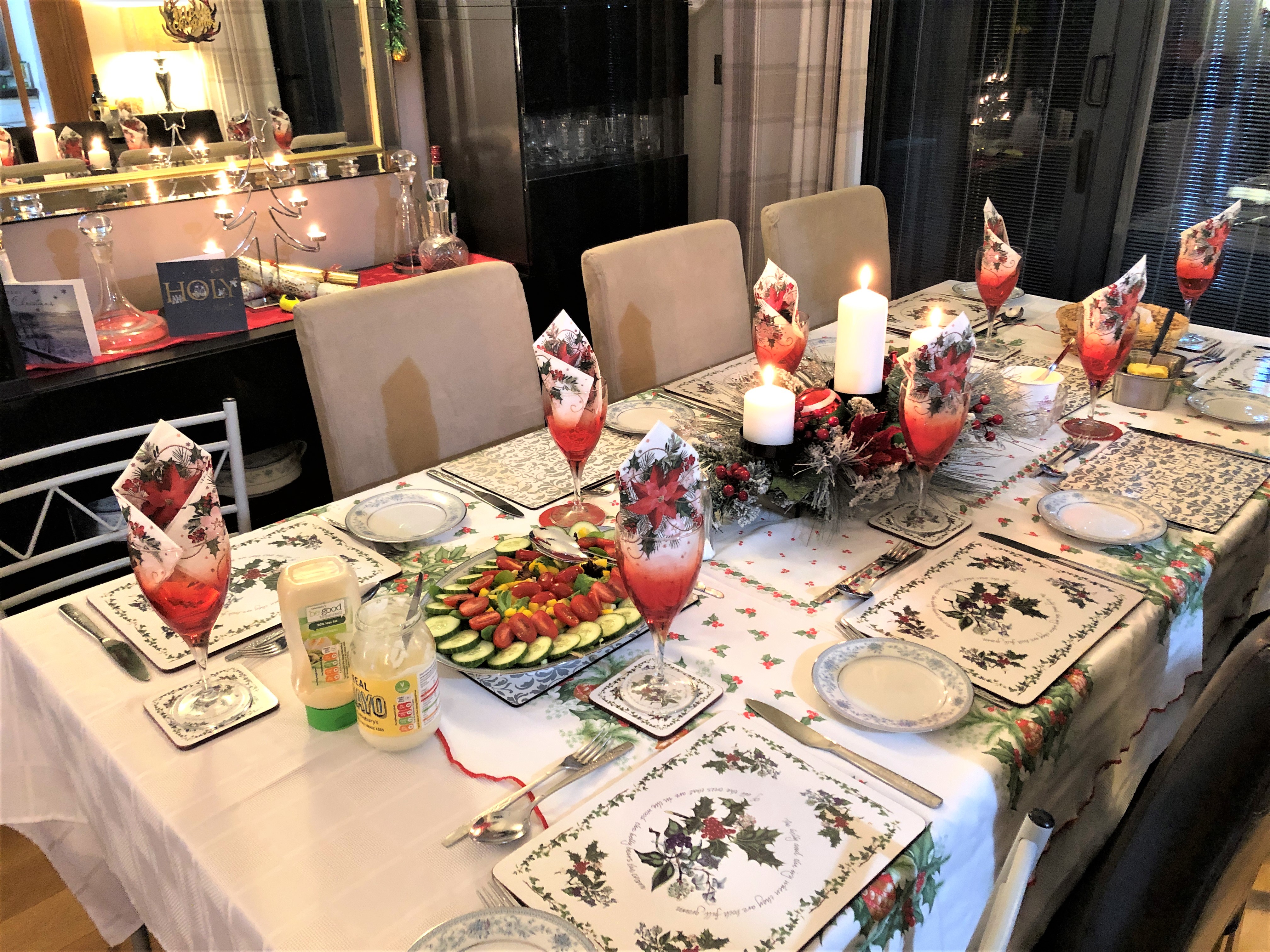
Trevor and Shirley, who host the Home Group that we attend, also had prepared a Christmas meal. Shirley is a wonderful host who knows how to lay out a lovely table, and the food once again was far more than any of us could eat. This is the same Home Group that has hosted all the Teach Beyond folk who have attended Trafalgar Road Baptist Church, and they have a special heart for those of us who are missing family at Christmas.

Despite our appreciation for our own church, we decided that it would be nice to take in a carol sing at the Anglican church in town. St. Mary’s dates to the 13th century and is a beautiful old building with a timbered roof and lovely stonework and stained glass. Like many of these old churches, the acoustics were wonderful, and it was a real joy to sing the old hymns in a very packed sanctuary all decked out for the holidays.

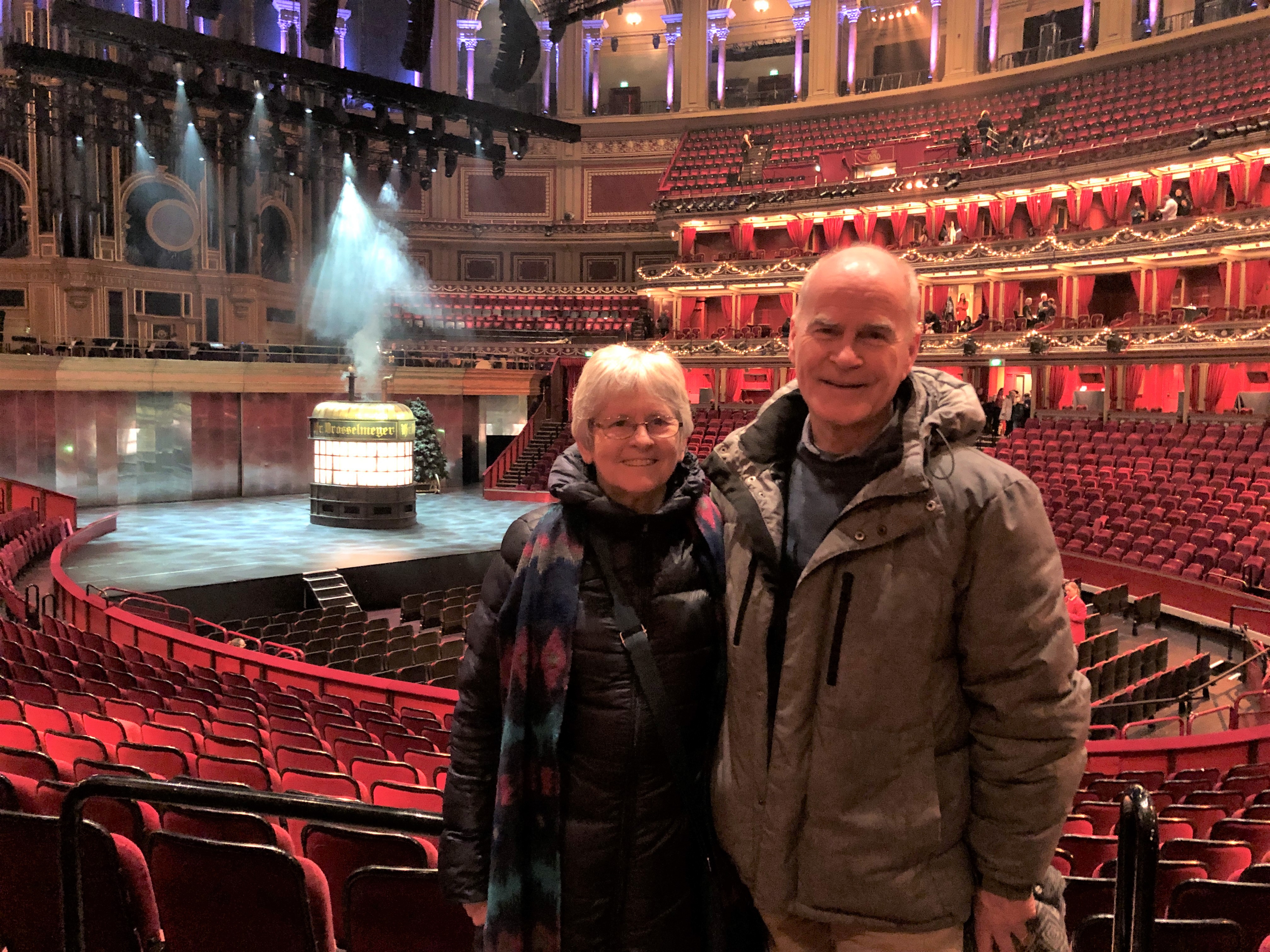
But the highlight of the season for us were the tickets to see a production of Tchaikovsky’s Nutcracker at the Albert Hall. The production and dances were glorious, as was the music resounding off the wall of that historic venue. Our seats were the cheapest we could get, but there really are no bad seats in that hall and we could hear and see everything without obstruction. It was a glorious evening, and fitting finale to what had been, in the end, a most blessed Christmas in Horsham.

December 2022

Queen Elizabeth reigned for 70 years, longer than any British monarch; indeed, longer than any European monarch with exception of Louis XIV who came to the throne at the age of four. Elizabeth was 25 when her father, King Edward VI passed away in 1952. She was in Kenya at the time with her husband Phillip when she heard the news. Her coronation in 1953 was a global event watched by over 250 million  people. Over 4 billion watched her funeral.

Elizabeth came to the throne at a difficult time in Britain’s history. Although they had won the war, Britain had suffered a great deal as a result. In ’55 when my parents immigrated to Canada, rationing was still in place for many supplies and the economy slow to recover. Elizabeth weathered that crisis with the same steely resolve that would come to serve her so well in the rest of her tumultuous reign.

The sixties brought a revival in England’s fortunes with the arrival of a fresh spirit of optimism, exemplified by the exuberance of its music and fashion. Suddenly, England was the place to be, and the Queen was the poster girl of that era, her picture appearing on countless mugs and plates snapped up by eager foreign tourists.

But the public image of a serenely successful monarch was only the façade. Behind the scenes, in quiet diplomacy, Elizabeth was rebuilding Britain’s reputation and influence, not in the empire of old, but with a new Commonwealth that would, by the end of her reign, include more countries and have wider economic reach than the British Empire at its height.

Her reign was also marked by the failures and foibles of her sons, notably Charles, her heir, and Andrew, his randy and immoral brother. We have watched our share of retrospectives on the drama surrounding Charles’ wife Princess Diana and her unfortunate death and the sordid details of Andrew’s relationship with Jeffrey Epstein. I’m not sure how much blame in all this can be assigned to the Queen who sought to balance public duty with private anguish. As in most of the crises that she faced, Elizabeth put on a public air of dignified acceptance of reality, and found solace in her faith.

It is the Queen’s faith that in the end seems to be her most enduring legacy. As the head of the Church of England, Elizabeth could merely have gone through the motions of her religious duties. But for this Queen, her faith was the rock on which she stood, and in her own quiet way sought to convey the importance of that faith to her people. In one address to the nation, Elizabeth reflected on her reign: “For me, the teachings of Christ and my own personal accountability before God provide a framework in which I try to lead my life. I, like so many of you, have drawn great comfort in difficult times from Christ’s words and example.”

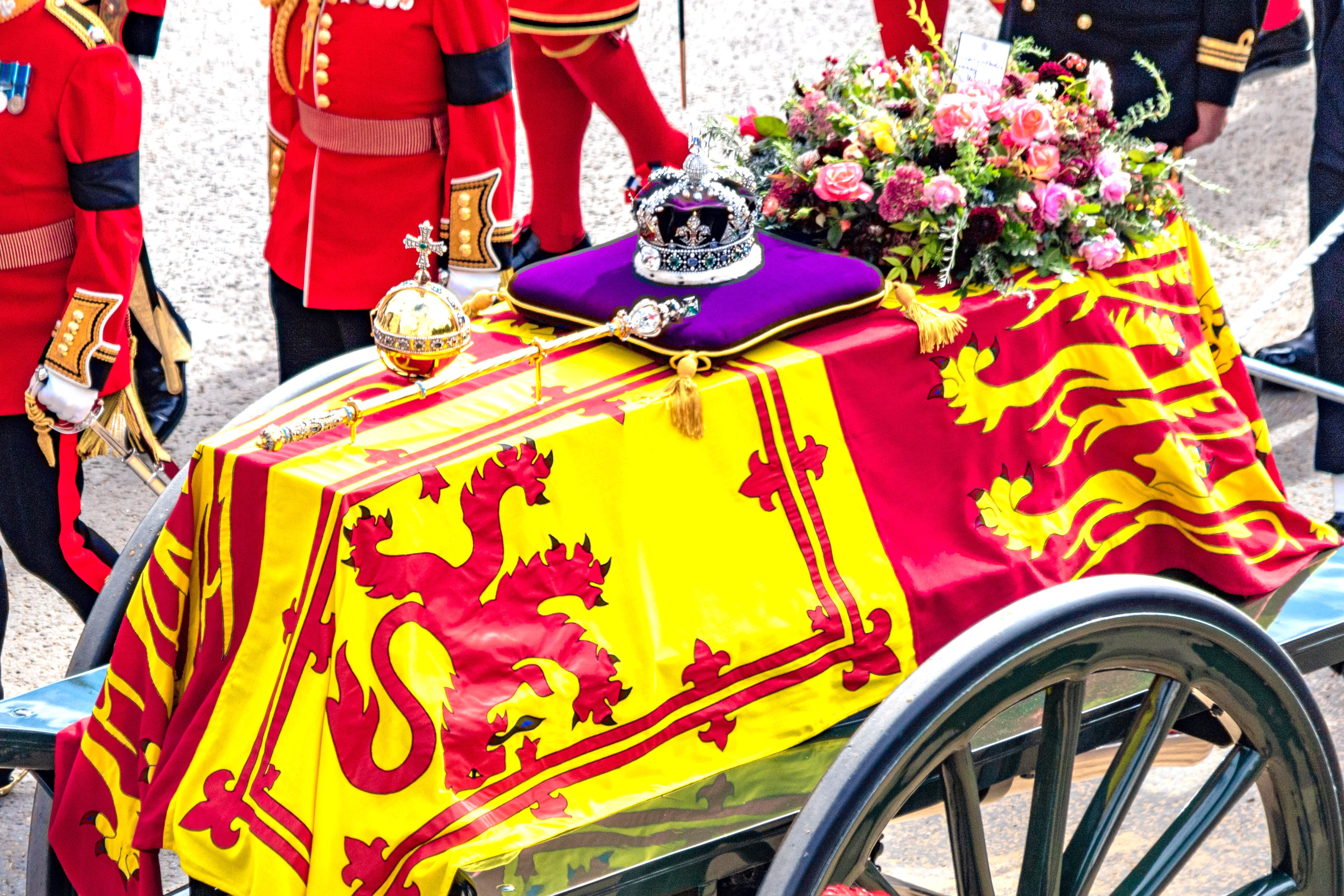
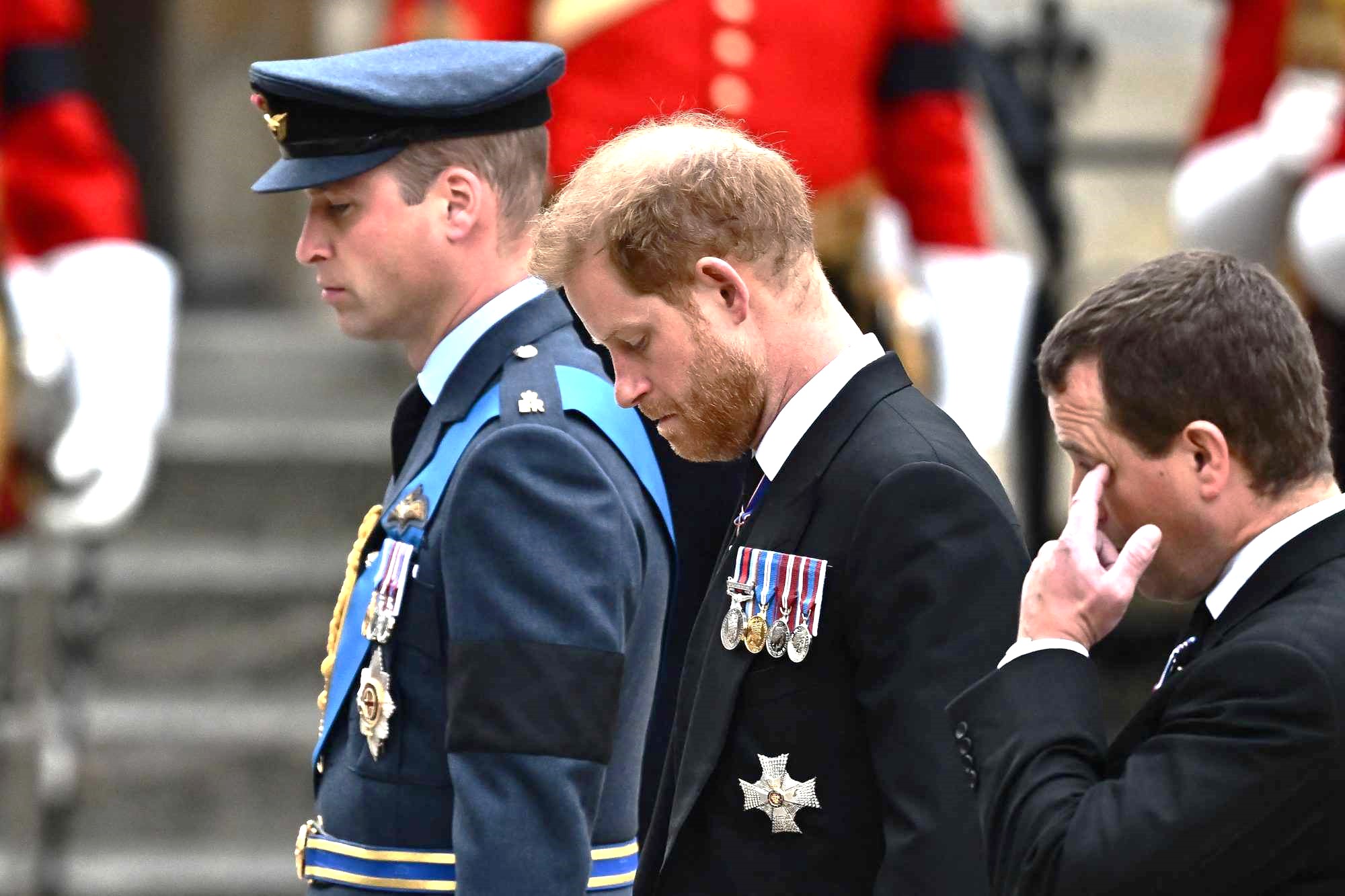
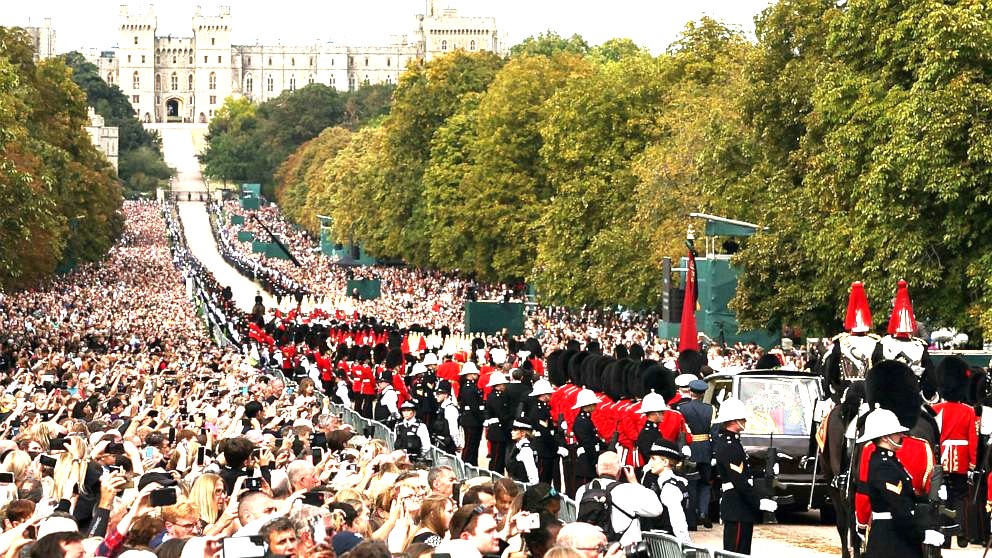
This week, as her funeral cortege moved through the streets of London and down the road to Windsor for her burial, millions of her grateful and grief-stricken people lined the streets in an outpouring of affection and appreciation rarely seen in this reserved culture. The future of the monarchy in Britain remains, as it has been for many years, an open question. But surely no greater argument for its continuation could be made than the reign of Elizabeth II, among the most devout, capable, and accomplished rulers this tired old world has ever seen.

September 2022

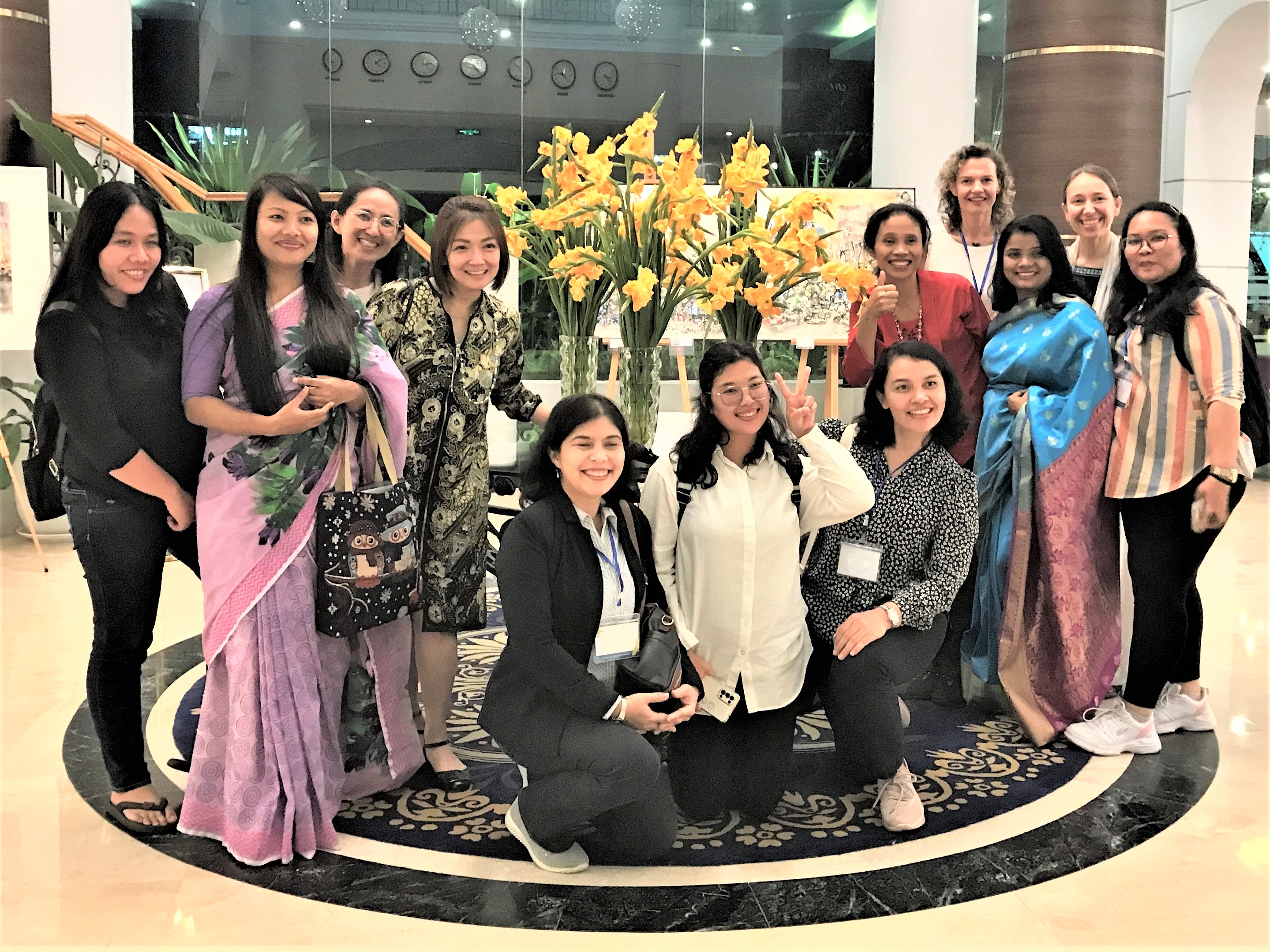
When we stepped into our current role we understood that there would be a lot of travel involved. That did not concern us. We both love to travel and are well-inured regarding its vicissitudes and frustrations. So when Teach Beyond announced that the next Asian conference would be in Hanoi, we were excited about the opportunity to return to Vietnam, a country that we found as vibrant and vital as any in Southeast Asia.

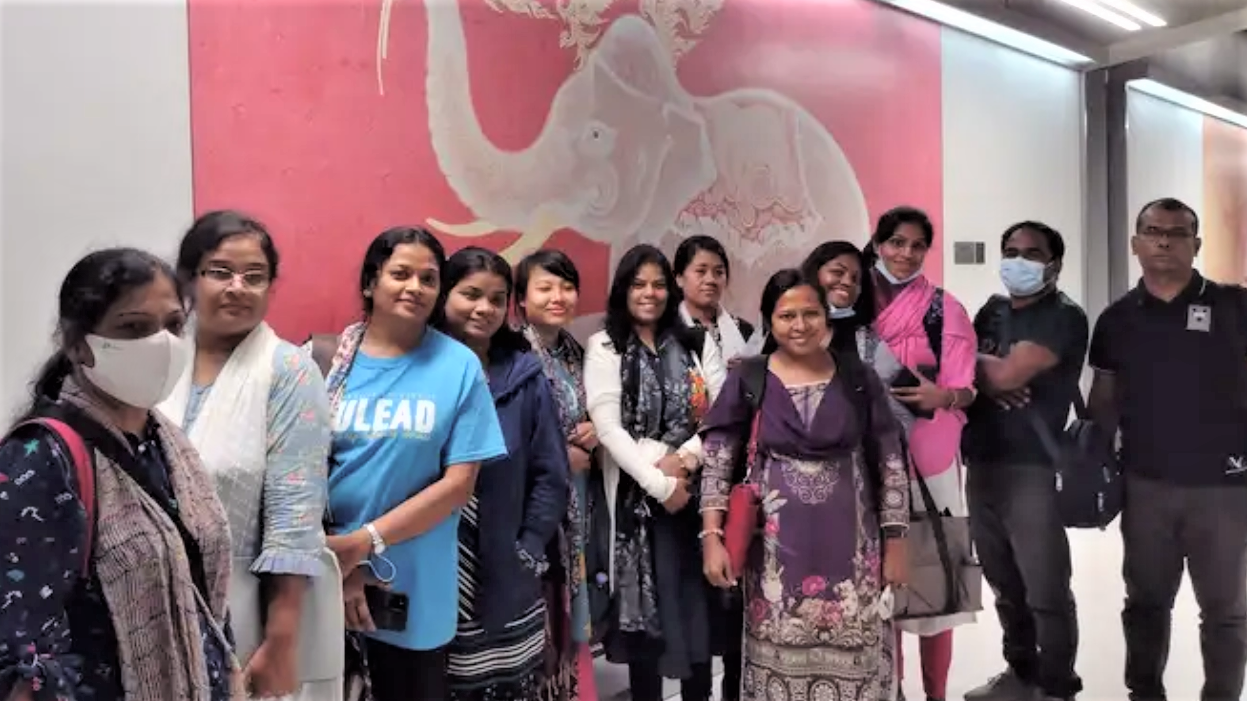
We were further encouraged when our boss Vance, who also has a heart for Vietnam, was willing to financially help several of our national colleagues from WCA in Bangladesh to attend. Many of them had never left their own country and most had no passport and no visa. But with the diligent efforts of our National Director, Shankar, we were able to help all those – fifteen of them in total – who wished to attend.

I was asked to help with the seminar presentations and was encouraged that most of those whom I reached out to were willing to help. I found a couple of very competent Vietnamese staff at the hotel most helpful in setting up projectors, microphones and tables and all of the seminars were well attended and well received.

Pam’s responsibility was to set up the tables that would allow our attendees to get more information about aspects of their ministry that interested the. These tables were then staffed with those who could del with individual questions about their ministry particulars that would have been difficult to ask in a public setting like a seminar. We do try to stay culturally sensitive.

The plenary sessions were a great encouragement to all who came. Of particular joy to us was to see the Bangladeshi nationals that we had encouraged to attend volunteer to lead one of the worship sessions with their own particular traditions of worship, including the gorgeous national dress that is such an important part of the culture of South Asia.

We also had a chance to meet and encourage several of our national members. Our plan was to invite each of them to share a meal so that we could chat in private. These meetings were the highlight of the entire conference as far as we were concerned. We are unable to share the stories we heard, and most work in “creative access” countries, but they made us keenly aware of the importance of these meeting for those who serve in such difficult circumstance. Pam also met with the planning team for the changes necessary in WCA’s constitution and legal standing in Bangladesh, which is going to be a true Gordian knot to untangle.

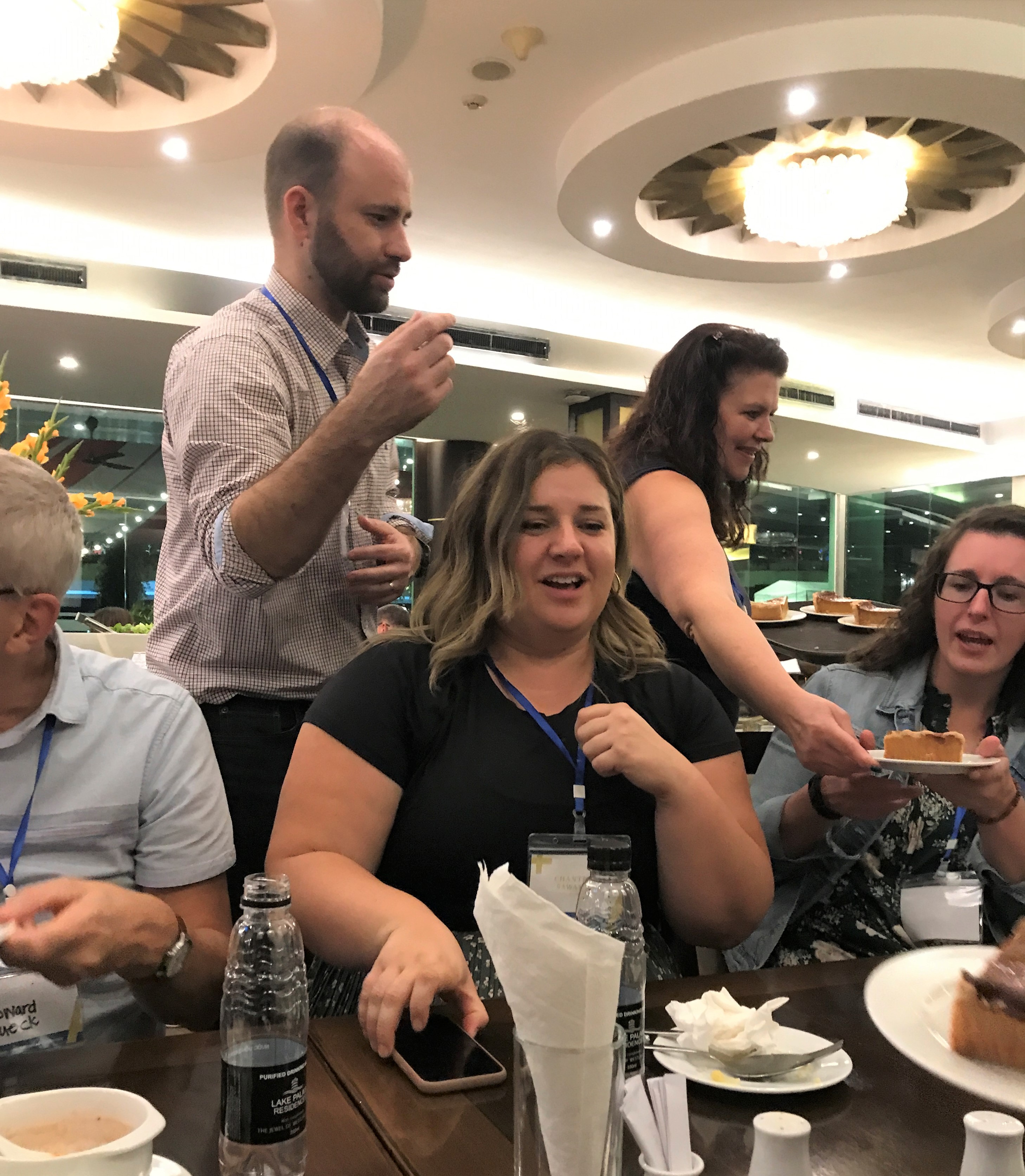
As the conference happened to fall during Canadian Thanksgiving, the Canucks who were there decided that we should meet separately one night and celebrate our common heritage. David, who had also lived in Hanoi, knew a local baker who would be willing to make a couple of pumpkin pies for the occasion and so a really great meal finished with a favourite desert that was every bit as good as any we have had back in Canada.

A group of us from the Horsham office even got a chance to go to the park in central Hanoi, which was vastly different from the one we remembered from our time there ten years ago. There were stalls and restaurants and a real touristy vibe that has simply did not exist on our last visit. We opted for a quiet meal beside the lake rather than trust the food at the outdoor stalls with the others and had a very pleasant evening together beside the lake.

The conference proved to be a great encouragement to our Asian members and a resounding success. It was also emotionally and intellectually challenging to meet with so many to discuss in detail the problems that they are facing in their own country and ministry and to problem-solve solutions for them in real time. Asians hide their sorrows well, but we know that many of them are facing significant challenges in the year ahead and during our days there we tried our best to support and encourage them in the short time we had.

We also felt the need to just get away from the demands of ministry by leaving the hotel for a spell. We took a stroll along the Song Hong (Red) River that runs through Hanoi until we found a little place that had a tea shop overlooking the water. There we sat and reflected on the path that God has been leading us one for these past 16 years. It has been a remarkable journey, and with this new set of responsibilities it appears that God is not done with us yet.

October 2022

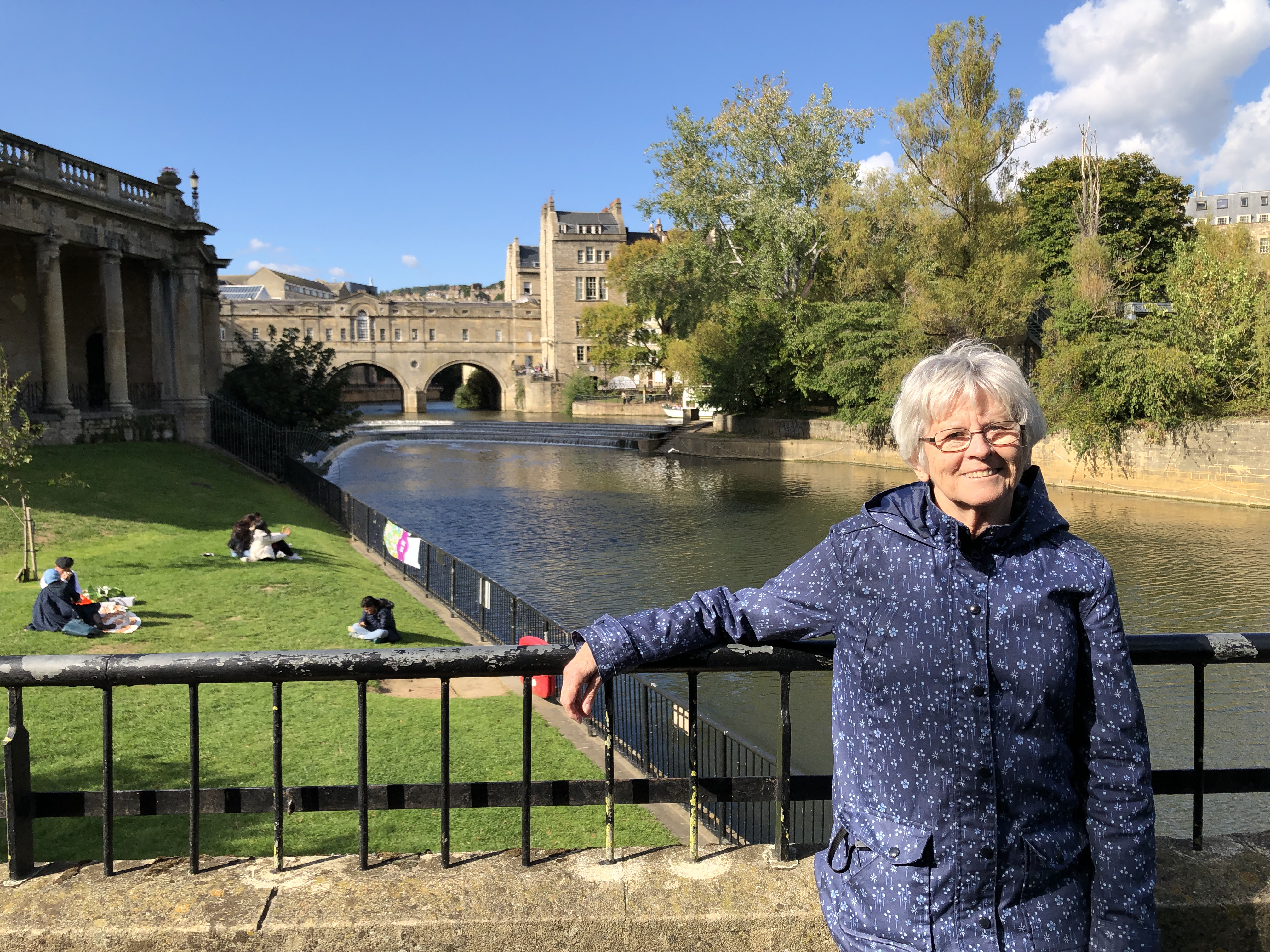
Deciding it was time we took a look around our adopted country, we took off on a Friday and drove to Bath. The old Roman town of Bath – the Romans liked their baths – is in Somerset located on the river Avon. Confusingly, there are nine Avon Rivers in England and none of them are connected to each other. “Avon” is an old Celtic word for river, so essentially, River River. This is a confusing country in many ways.

But it is also an old and historic one, and aside from the Roman baths, which are still there, Bath was the home of both Jane Austin the writer and Thomas Gainsborough the painter, so its artistic roots are well established. The baths were thought to have healing properties, and the Romans not only built the extensive bath, but also built a temple to Minerva, the Roman goddess of healing. Its ruins are still there.

Bath Abbey is a later addition to the city. It was built in the 1500s in the Gothic style using the earlier Norman Cathedral as it foundation. The original structure dates back to an Anglo-Saxon convent on the site in the 7 th century. Bath Abbey is not the oldest church in England by a long shot, but it was quite stunning with its lacy fanlike limestone vaulted ceiling

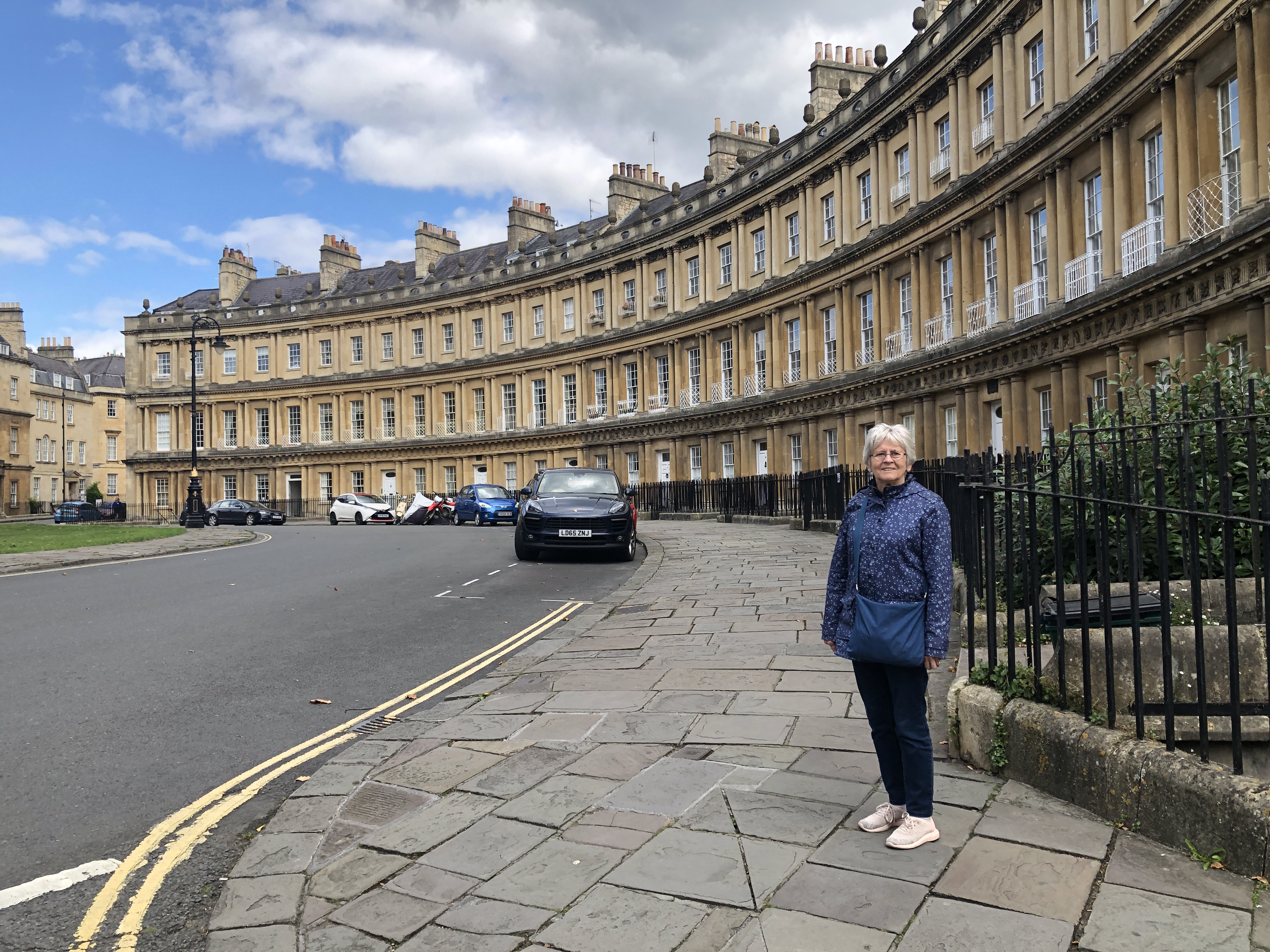
We thought of joining a tour group, but the guide was a bit of a bore, so we wandered off on our own. In addition to its university, where my niece Claire got her PhD and met her husband, Bath is also famous for its housing, especially the Royal Crescent, a Georgian era urban development using the local Bath limestone, renowned for its warm colour and durability.

It was a lovely, sunny fall day and we wandered happily in and out of the quant little bookstores, featuring the work of Jane Austin, of course, and had lunch at lovely spot in an upstairs restaurant that was remarkably quiet for a Friday afternoon.

After lunch we had to walk down by the river and back up through the gorgeous Botanical Gardens, still lush with flowers well into September. We were determined to make an effort to slow down on this trip, so after a good walk through town, we retired to our local digs for the night for an early supper and a restful evening.

September 2022

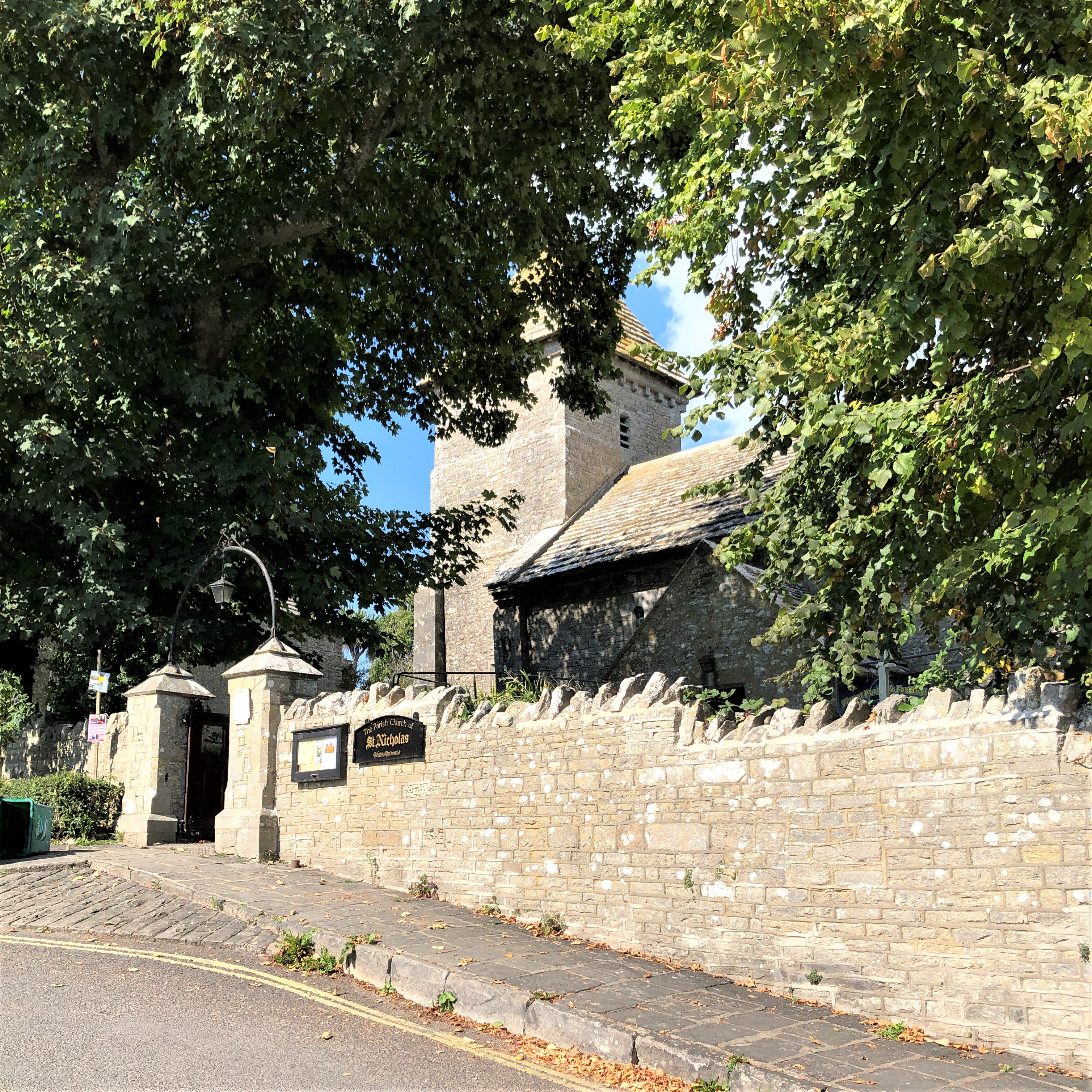
is a tiny village on the Dorset coast once home to smugglers and other adventurers. However, in World War II the village was one of the most important in all of England, home to a state of the art radar facility. Along with the airbase in nearby Swanage, Worth Matravers was the frontline of the defense of England from German bombers coming over the English Channel, a site in history that is now almost forgotten.

I have not forgotten since it was at Worth Matravers that my parents met and married in 1940. Mom was a young WAAF (Women’s Auxiliary Air Force) officer manning the radar facility when her then fiancé, Denis, was shot down in his fighter plane over the channel. Dad was a young army officer whose regiment was being marshalled along the Devon coast before being shipped out to Africa.

Mom, who had a good voice and had a strong dramatic flair, was singing on the makeshift stage that the contingent of military personnel had set up to encourage the troops. According to Dad, he walked into the back of the mess hall, heard Mom singing, and said to his mates, “That’s the girl I’m going to marry.” Four weeks later, they did just that in the nearby church of St. Nicolas.

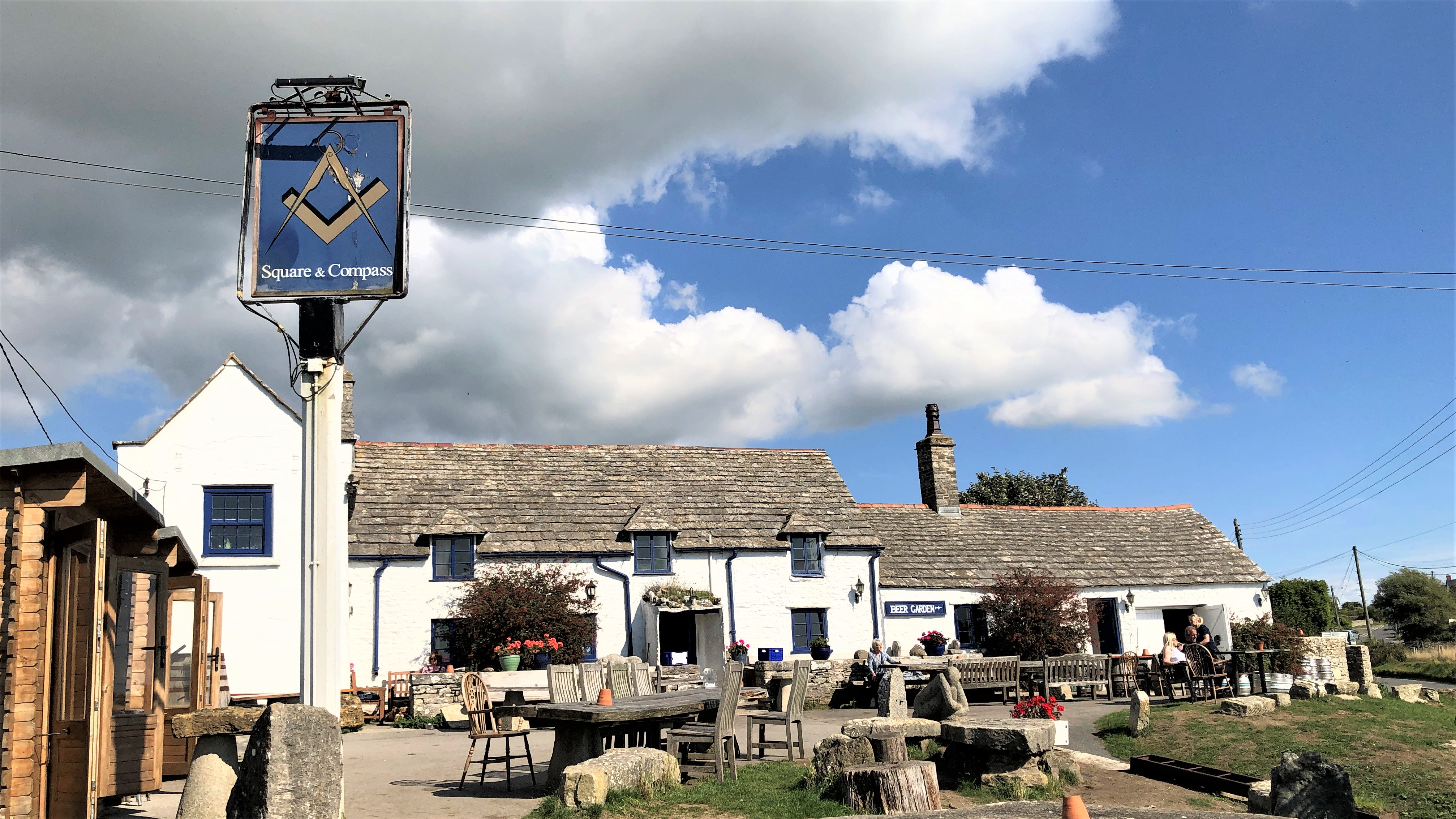
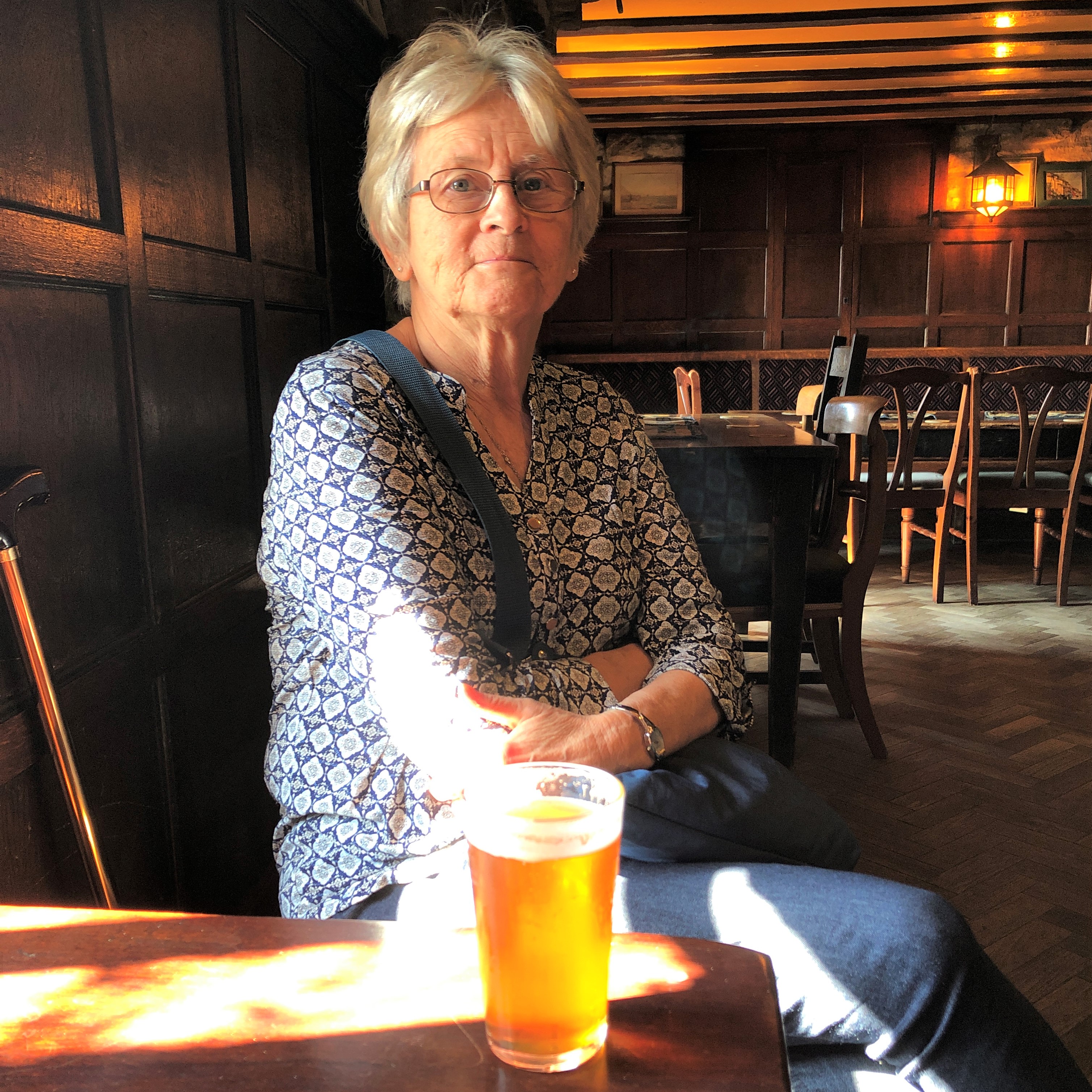
Mom and Dad held a reception for their friends and spent their wedding night in the nearby Square and Compass. Dad shipped out the following day so hurriedly that he forgot to pay the minister for the wedding service. They didn’t see each other until the war was over.

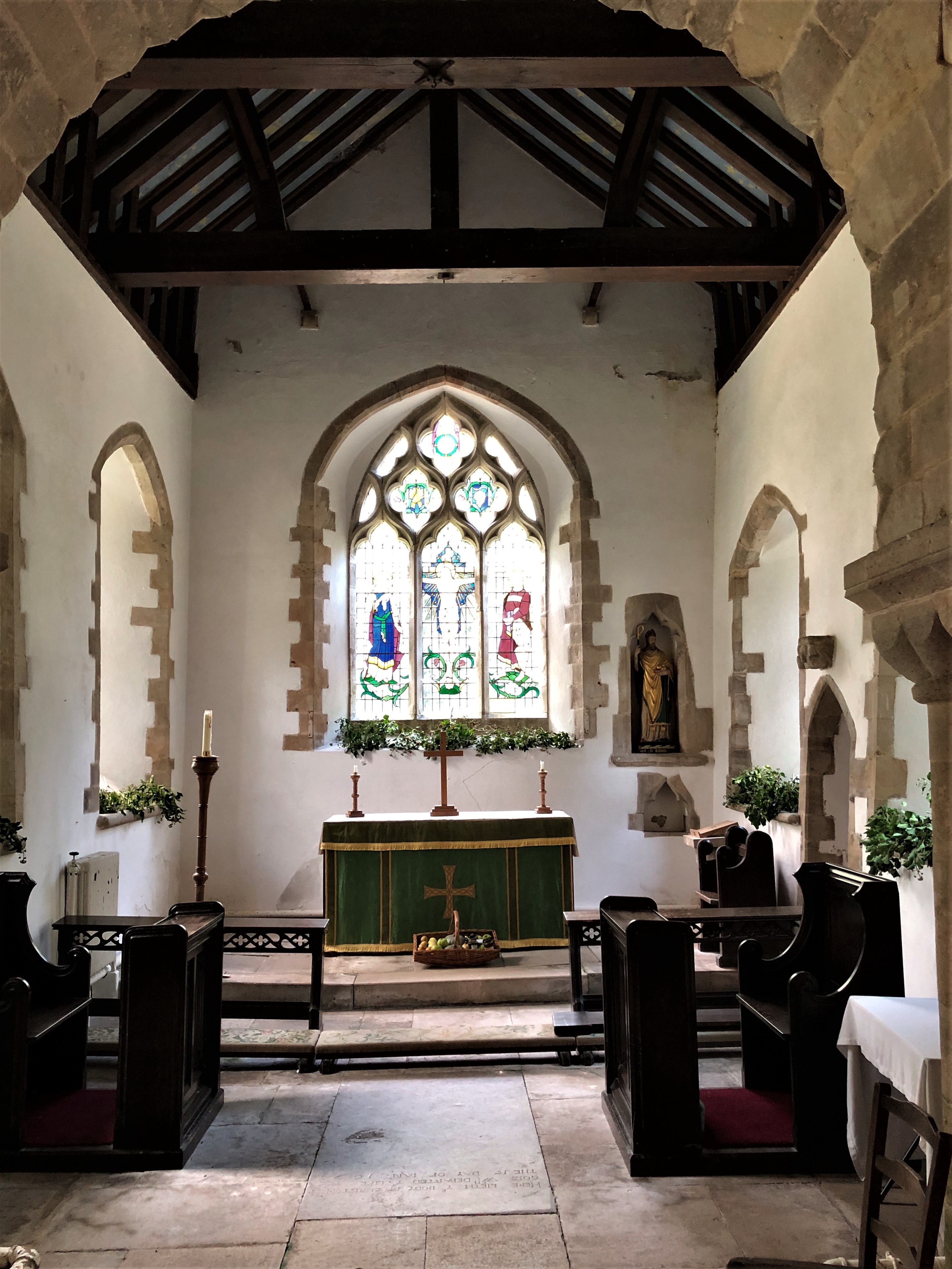
Pam and I took a stroll down through the village to see St. Nicholas, built in the 1100s and one of the oldest in England. We walked past the cliff trail down to Winspit quarry that Mom and Dad would walk when they were courting, now used as a film site for the Star Wars: Andor series. And then we had a drink in the pub where Mom and Dad spent their wedding night.

There is little left in the village to indicate that this was where radar was developed and used to such devastating effect in England’s war effort. Nor that at one time there were 2,000 military personnel stationed in this village alone. The countryside bears no scars of that historic conflict, but if it were not for its historic importance, my parents never would have met.

September 2022