Today I want to hand our blog over to our good friend Peter who reports on his experience in paying bills in Malaysia. Here is his story:

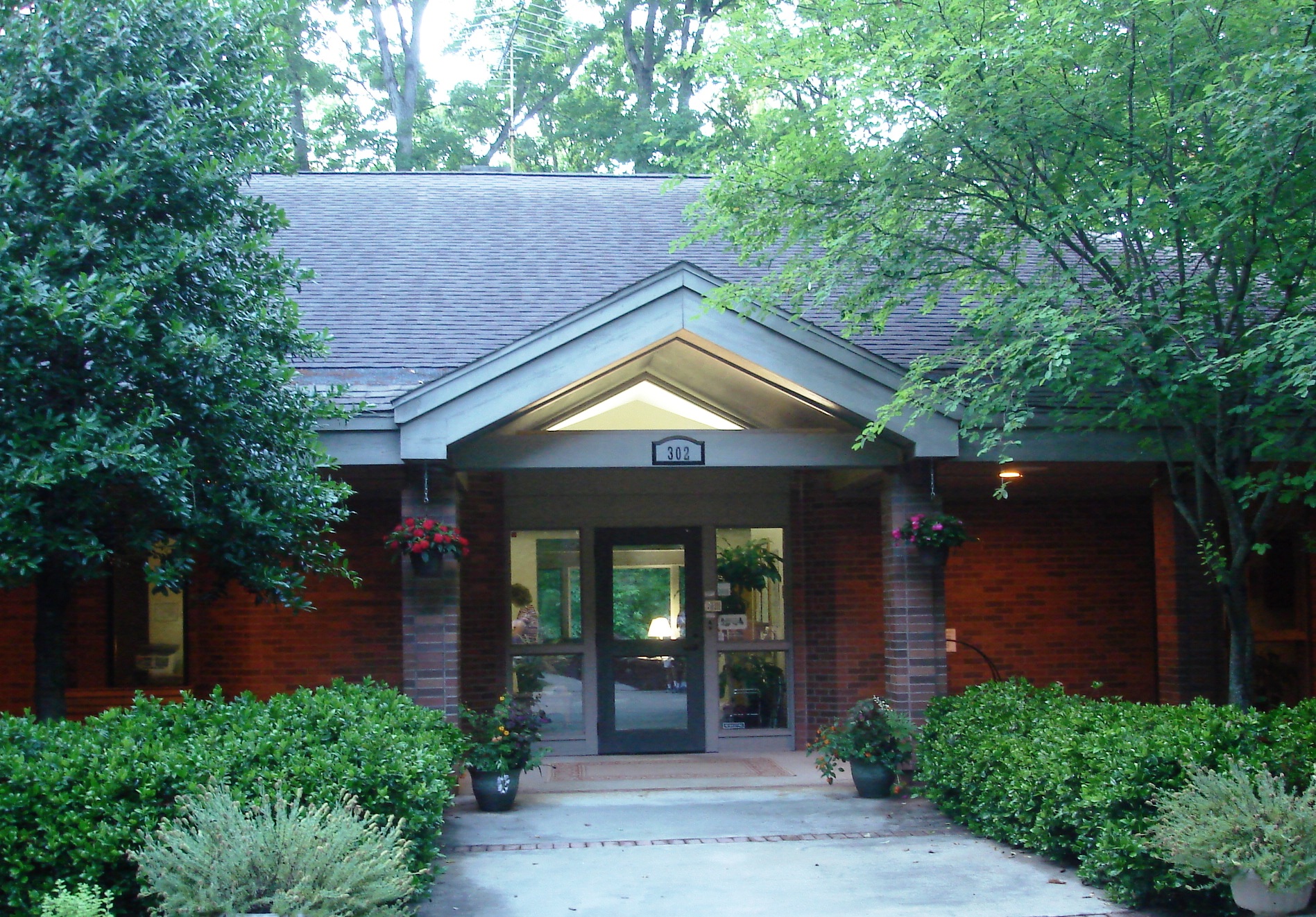
Today I went down to the management office in our condo building to pay the water bill that rolls in every couple of months, it is usually about 20 Rm per month (about $7). I had not paid for a while and had a bill for 44 Rm, I thought it might be 60-80 depending on the dates and how long I had let it slide. I arrive, and the very nice lady takes my bill:

Part 1: she goes clicky clack on the key board, looks at my bill, looks at the screen a few times, clicky clack….she says” that will be 542 ringgit and 50 sen.” (about $150.00)

Me: that does not seem possible; it is usually about 40 ringgit!

Part 2: clicky clack on the key board, looks at the screen, looks at the bill, gets out a calculator, clicky clack, prints a bill, gets out the calculator again, looks at the screen; “that will be 241 ringgit and 50 sen”

Me: That still seems a little high, can I see the bill?

Part 3: male colleague comes in, they chat in Bahasa, he looks at my bill, looks at the screen, she clicky clacks the key board, they chat some more, he grabs the calculator and crunches some numbers and shows me the value: 142 ringgit.

Me: I think that is still too much, can I see the bill?

Part 4: I get the bill, compare all the different charges (some my landlord pays), circle things in ink, compare to what I have paid, ask a few questions

Part 5: I hand the bill back over the counter, the calculator comes out again, and a third total shows up that I gladly pay: 1 ringgit, 40 sen. (50 cents Canadian)

Is this surreal, or just a cross-cultural jamboree?

Welcome to Malaysia!!

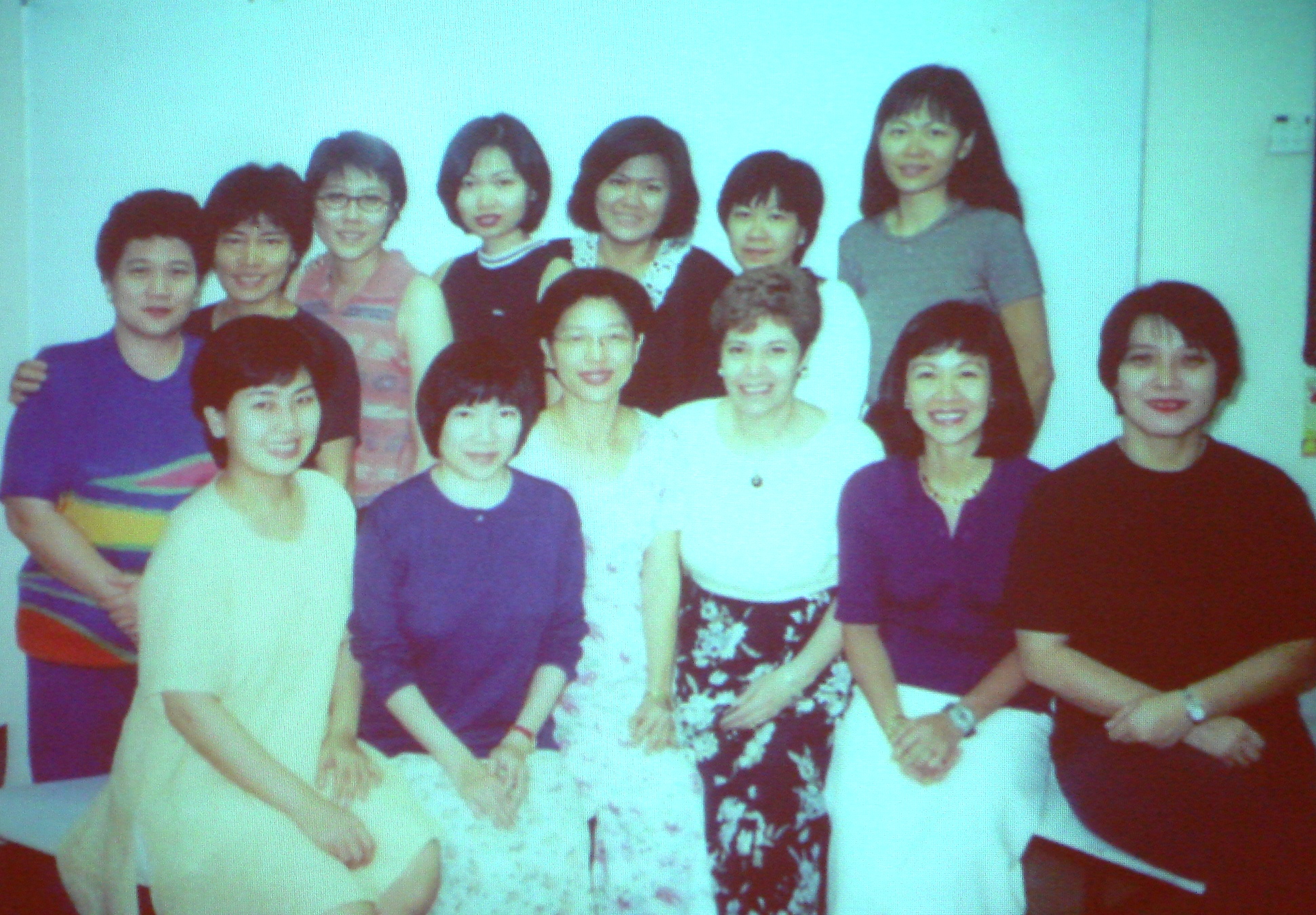
Project Hannah was launched fifteen years ago by a group of dedicated women in Singapore (pictured above) who sought to raise awareness of the plight of women worldwide and who committed to pray for those who were abused emotionally, physically or spiritually. Shortly after a radio program was introduced to encourage women in their daily struggle, and to reach out to them with a message of God’s love and the freedom that was theirs in the salvation Christ offered; to claim their God-given destiny so they could pass on a legacy of faith, wisdom and godly character to their children. It was a message that many women responded to, and its impact has been felt throughout the developing world.

This past week I was privileged to meet with some of the most amazing women in the world, from Australia, Brazil, Canada, Indonesia, the Middle East, Singapore, South Africa, Portugal, Sweden, Taiwan, Uruguay and the U.S as we met for the first time as a group to pray, share, and celebrate what is happening through Project Hannah. These women are the regional coordinators, producers and script writers for the mission, and sometimes – given the need for workers in this huge mission field – all three combined. For most of them English is not their heart language, but it was a joy to see and hear them step forward and speak from their hearts and share what God is doing through them in their own region. It was an special blessing to sing together, each in our own tongue in praise to our amazing God. I am humbled and amazingly privileged to be a part of such a group who share a burden for the hurting and needy women we long to serve.

The week began with a day of prayer and praise and an opportunity to hear from each one a small portion of their personal lives and a lot about their heart’s cry for women. It was a long week of training and listening to reports, some of which were heartbreaking to hear, but many new and enduring friendships were formed amidst the tears and laughter. We were fortunate in that we were all able to be housed together in the TWR Lodge in North Carolina, surrounded by woods and wildlife and a real sense of serenity. We met and talked and shared wonderful meals lovingly provided for us by volunteers and friends of the ministry.

At the end of the week we departed and each of us returned home encouraged and strengthened, with many new ideas and connections, eager to see what lies ahead for Project Hannah in the coming year. Thank you to many who have prayed for this meeting, and enabled us through your prayers and finances so that this could take place. God is at work in this ministry, and the year ahead looks to be filled with more opportunity and adventure for those who willing follow Christ in His plan to reach out in love to those He loves and came to save.

Having struggled with back pain throughout most of my adult life I finally decided to confront the issue. Most of what I had read on the subject was either nonsense or solely designed to fleece the suckers: and there are no bigger suckers than those who are in pain. I was fifty at the time, weighed 165 pounds (75 kilos) on a 5’7” (170 cm) frame, and I had just put my back out for the umpteenth time and was in serious trouble. Serious enough for me to actually go and see a qualified physiotherapist instead of dinking around with the stupid chiropractor anymore. I was fortunate to find someone doing a placement in a local facility while she got her hours in on her master’s from the University of Western Ontario in London. She got me started on the road to recovery.

First? Understand the nature of the problem. For this you will need information. There is a lot of junk out there – some of it thousands of years old – that will do you irreparable damage. Here is the best information I have ever read on the subject: http://www.amazon.com/Treat-Your-Own-Back-802-9/dp/0987650408/ref=sr_1_2?ie=UTF8&qid=1338618965&sr=8-2 by someone who is well qualified to write about it: http://www.mckenziemdt.org/robin.cfm. It was this book that the physiotherapist gave me to read, and it quite simply changed my life. Buy it! It is the very best advice you will ever get on the care of your own back and the non-invasive, non-medicated treatment of back pain. I have followed the exercises faithfully for more than a dozen years. I take fifteen to thirty minutes in the morning before I get out of bed, and I haven’t put my back out once since I started.

Secondly? Change your posture! Yes, your mother was right, your posture is terrible. Now that you are no longer a teenager it might be a good idea to get over your resentment at her concern for your long term health and actually change your posture. You slouch; your chair is all wrong and your hips are misaligned, you shuffle and don’t walk by rolling from your heel to the ball of your foot and in fact your footwear won’t even ALLOW you to do this because you are still a silly slave to fashion! Get some decent shoes and wear them. Sit up straight and walk by allowing your hips to move naturally instead of locking them in place with that limping little shuffle thing you do. God gave you a body: enjoy it! Your body will thank you.

Thirdly? Supplement the back stretches with other movements that will increase blood flow to the affected areas. Inflammation causes your back to spasm. Sure you can reduce the inflammation with medication, particularly ibuprofen (ditch the Tylenol; it is an analgesic, but it is NOT an anti-inflammatory). But you don’t want to be on that stuff forever. You must find ways to reduce the inflammation and carry away the fluid buildup that your body provides to shield itself from further injury. For that you need blood flow. And for the blood to flow and remove the fluid you need gentle physical movement.

Therefore don’t do yoga or martial arts; do tai chi instead. The basic premise of yoga is that you get into some impossibly painful position and hold it. What? How does that help your muscles or your musculature? It doesn’t. It is so counterproductive that if yoga didn’t come with 3,000 years of arcane gobbledygook attached to it no one would ever follow it. But call it a quasi-religion and the gullible will line up for blocks. Almost everyone I know who has followed yoga has ended up doing themselves physical damage, some of it quite serious. And martial arts, while it may appeal to the young, is not something you want to be doing to your bones as they become more brittle with age.

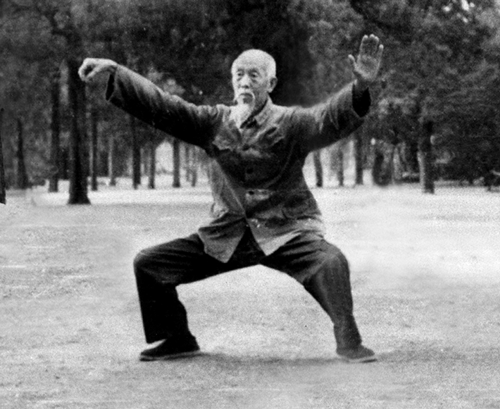
The basic premise of tai chi is that one motion becomes the next. You never over-reach and no movement is ever held, for holding a position is to halt the flow of your body’s energy and blood. Think of the difference between yoga and tai chi as the difference between a cut flower (lovely to look at, but stationary and dead) and a potted plant (living, moving) and you get the essential idea. When I was in university I learned the entire routine, but I am satisfied with a few modified movements that get my stiff muscles moving. Learn a few simple moves from youtube: http://www.youtube.com/watch?v=TBvF6r6DOvc but don’t stretch it out as far as this young lady does at first (the pink pajamas are optional). Keep your movements small until your back loosens up at little.

Thirdly?(Yes, I noticed) Exercise. Sorry, none of the above actually qualifies; they are just essentially stretches to reduce the stiffness, inflammation and the resultant pain. Now that you are moving again you have to strengthen those weakened back muscles with exercise. I do four: swimming and climbing stairs – but that is only because they are readily available to me and they cost me nothing (we have a pool at our condo and we live on the thirteenth floor; sorry about your luck!) – walking and riding a bike. All of them address the back issue to some extent. You’ll have to find what works for you. But don’t stay wedded to something that actually damages you for ideological reasons. Sometimes the body is smarter than the head. Listen to your body and learn to help it heal.

Finally? Lose the paunch. Extra weight anywhere can be a problem, but extra weight around the waist will take years off your life and put added strain on your back. I went from 165 down to 150 over about three years and then took another ten to get to 132 (60 kilos). Don’t do anything radical and don’t diet. Just be more intelligent about what you eat and drink. Beer is 150 dead calories, wine is 75. You could start there. Coke is 150 calories, Diet Coke is zero. Fried chicken is 400 calories per 100 grams. Baked or nuked chicken is 120. You have to look at your weight in the long term. It took you years to get to your present state; it will take years to change it. So change it; what have got to lose? Only the pain!

Somehow in all the madness of the last three weeks I managed to find time to attend the first International Jazz Festival to be held in Kuala Lumpur. It may well be the last, for it was not well attended, and those of us who had paid for seats ‘in the gods,’ as they call the back rows, found themselves ‘upgraded’ from the gallery to the ground floor. Even with the balcony closed, those few who found their way to the hall for the beginning of the festival found themselves pretty widely scattered around the auditorium.

Perhaps the venue was not well chosen, for the Plenary Hall in the KL Convention Centre was built to hold 3,000. It is a gorgeous facility with steep risers and wide comfortable seats so that every view is a good one. Although no one much cared where you sat, I found myself most often at the back of the hall where I could put my feet up and sip my Starbucks soy latte and groove to the music in peace.

There is a small core of dedicated musicians in Malaysia trying hard to educate the ears of the public to sounds that go beyond their love of Asian boy bands. Many of the performers were Asian themselves, but most are living in the West where they can make a living from jazz. The best of these might have been Meg Okura who led a troupe called the Pan Asian Jazz Ensemble, who despite their name work and live in New York. Ms. Okura plays the violin, among other things, and to be honest it is probably my least favourite ‘jazz’ instrument. However, her band was very tight, and her music, much of it written by Okura, was bright, fast and edgy.

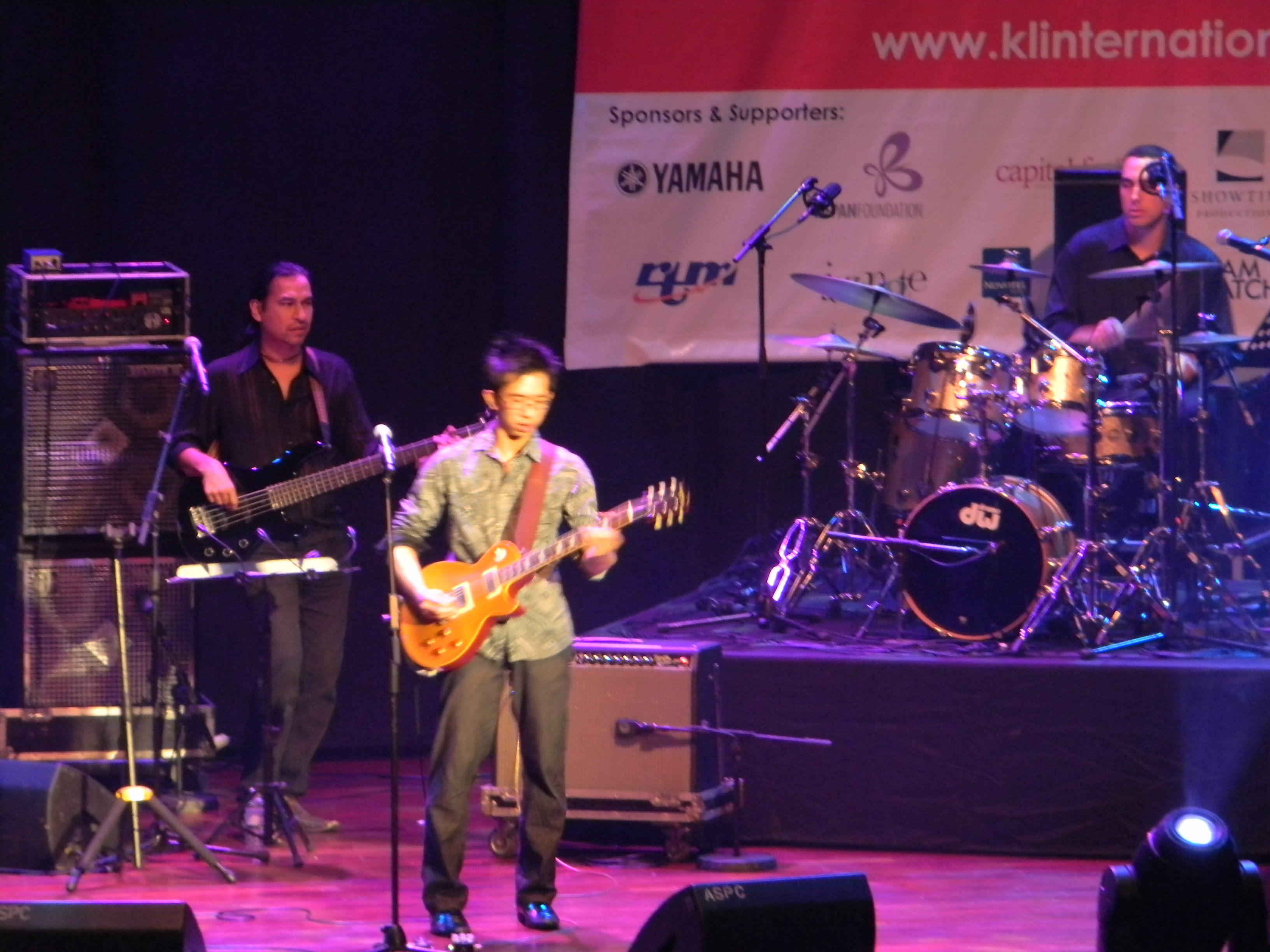
Another Asian worth watching was Trevor Jalla who hails from Sarawak, of all places, although he now lives and works in Perth, Australia. He was about as connected to jazz as B.B. King; that is to say, he played the blues, straight up and without apology. I have to admit when I first saw this dorky little character come on stage I thought he was the roadie just tuning the guitar. He looked like Buddy Holly with a bad case of bed head. But then he picked up that flame maple Les Paul and let it rip into an old B.B. King tune, and man could he play that thing! Then this nerdy little scarecrow lets out with a voice like a gravel truck gearing down and I knew I was in for a treat. Tasty, as we used to say!

Ernie Watts is a saxophonist who is getting up around 65-70 years old, but you would never know if you closed your eyes and just listened to him wail. He earned his stripes as a studio musician in Detroit laying down tracks for the Motown sound and touring with Marvin Gaye, Buddy Rich and the Rolling Stones. He moved to jazz in the 80’s and has developed a solid reputation in the field for his fast fingering and lyrical flights of improvisation. His band had a hard time keeping pace with the old geezer!

There were plenty of other acts, but I won’t bore you with the entire list; you get the idea. As with all things KL, I ended up paying the price for staying out late as the public transportation system in the city closes at 11:30 and I got hosed for the exorbitant rates the taxis charge at that hour to get home. I swear I will never go downtown without a car again no matter how long I have to sit in traffic to get there. But despite the frustration, and the miserable turnout, it was an excellent evening of music and a real treat to discover such a gorgeous venue in the heart of the city. Apparently they do Broadway shows here. Who knew!

One of the things I look forward to when I am home each year is the opportunity to touch base with the staff and volunteers at the TWR Canada office, which is fortuitously located in our home towm.

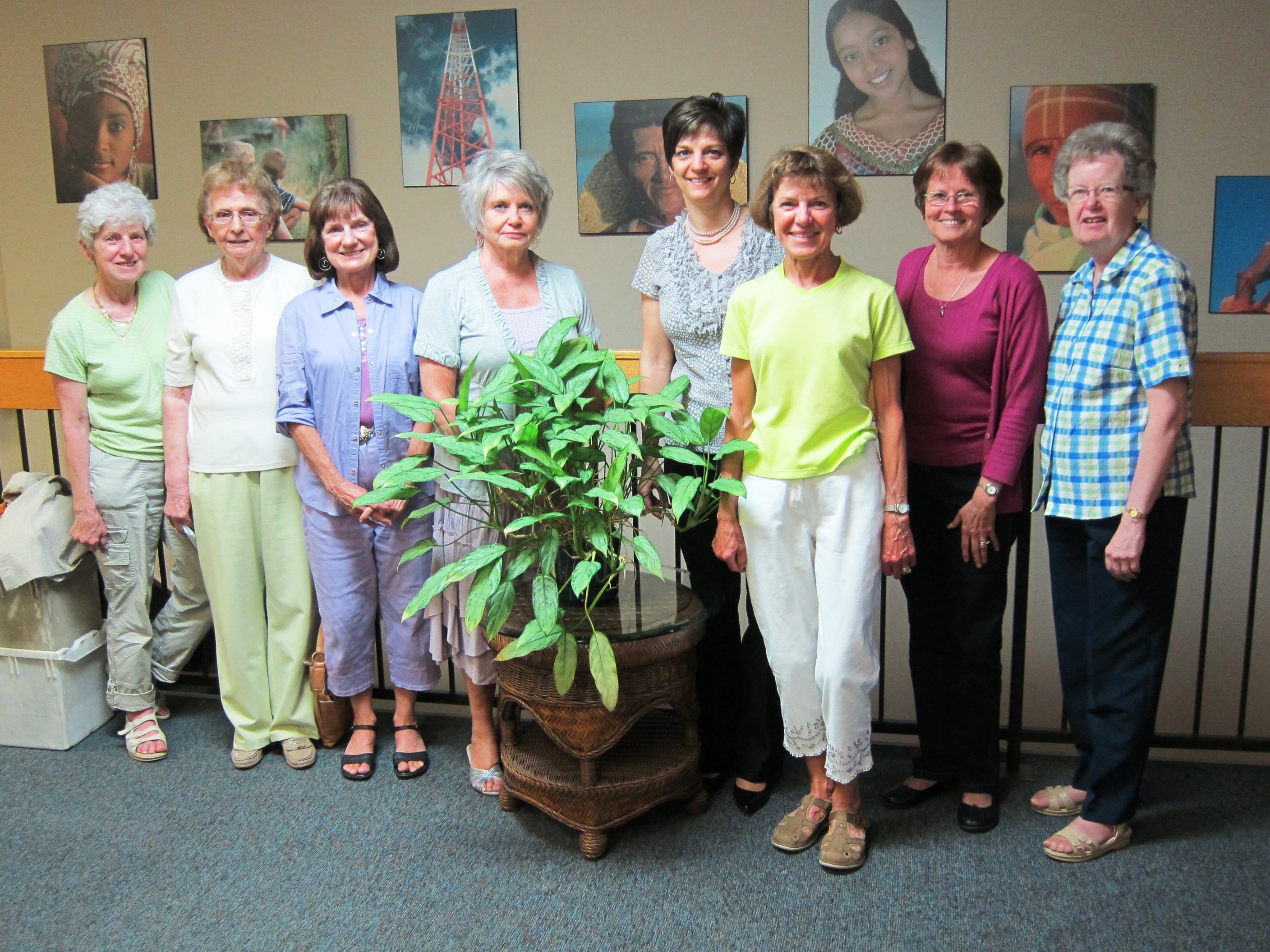
These are a very faithful group of women who volunteer one afternoon a month to come in to fold Project Hannah prayer calendars and monthly news letters and stuff about 2600 envelopes for supporters who still receive their communications by snail mail. One afternoon a month may not seen like a lot to some of you but we are so very grateful to these women who are a vital link in the world wide Project Hannah ministry.

The Lord has graciously given to Steve and I an opportunity to serve Him in a foreign field. He has also made it possible that we can do this without draining the church of badly needed financial resources at a time of shrinking budgets and unemployment. Ironically in this crazy fallen world we live in this makes us less than full-time missionaries in the eyes of some. We don’t pretend to understand the thinking behind such reasoning, for it is enough for us to know that God has called us and blesses us in our respective ministries.

How then does the world see the missionary effort of these women? Aren’t their prayers and practical support as vital a part of the work of God in reaching the lost as anything we or others do who are fortunate enough to live and work overseas? Does crossing a street or crossing an ocean make one a missionary? Surely at the end of all things when the Lord sorts through all that His people have done we will be surprised to find what He considers to be worthy of Him. And those who serve Him in humility, with whatever they have to give, will be recognized for the good they have done in His name. Thank you so much, dear ladies, for your service!

My grandfather never married my grandmother for a very good reason: he was already married. That didn’t keep him from taking a mistress (my grandmother) and getting her pregnant (my father). And neither wife nor mistress kept him from abandoning them both and sailing off to Shanghai. I think I was about thirteen when I first heard this story, and I was curious, as all little boys are, and a little bit in awe of hearing such unusual things about what I had thought was a very quiet and normal family. Anything but, it seemed. Now that I have seen Shanghai, I think I have a better understanding of what that all meant. But I am getting ahead of myself.

My father was born –out of wedlock – in 1917. There was a war going on at the time, so it can’t have been easy getting medical attention, I don’t imagine. And giving birth when you are not married was definitely frowned upon in those days. I don’t know what shame that birth brought upon my grandmother’s head, but it was enough to drive her to undertake a perilous adventure. My grandfather was in construction, and after the war England was not an easy place to get work. The war had caused a lot of economic damage in Britain, as wars do, and the prospects for employment looked better overseas, particularly in China, and most particularly in Shanghai.

Shanghai was at that time a British colony, and Britain intended to make it into its primary port and mercantile hub for the Empire in Asia. Buildings were going up at a phenomenal rate, and my grandfather sailed to Shanghai, as many young men did after the Great War, to find work and his fortune. As far as I can tell he first went to work on the Chinese Mercantile Bank on Nanjing Road, with its famous gold leaf dome, completed in 1921. I also believe he worked on the Hongkong and Shanghai Bank (HSBC) on the Bund overlooking the Huangpu River, famous for its dome mosaics, and completed in 1925 (The mosaics were covered up when the Communists took control and survived the ransacking of “imperialist” heritage buildings. I was unable to ascertain whether the magnificent dome of this building was also originally graced with gold leaf and stripped by Mao for his coffers). Certainly there was no shortage of building going on.

At any rate my grandmother, having waited some time for her man to return, decided to take her young son, who can have been no more than five or six at the time, and sail to Shanghai to find his father. I can’t imagine what she must have thought when she landed. There would have been a dizzying array of sights and sounds to greet her, for Shanghai was alive with Germans, French, Russians, Brits, and of course Chinese all building and buying, selling and drinking, gambling and dealing in drugs, for the heart of the opium trade ran through Shanghai.

How she coped with all that, I don’t know. How she found my grandfather in all that, I have no idea. But find him she did and I can only imagine how desperately she pleaded with him to ‘make an honest woman’ of her, and accept this young child by her side as his son and return to England with her. He refused; apparently he was by now already ‘married’ to a local woman, and had no intention of accepting any responsibility for any children or of returning to England.

How did she bear that, the poor woman? Having given her all to this man, having been willing to be disgraced for the sake of his love, having borne his child and brought it to him in China, to be refused in such circumstances, how did she bear such callous rejection, how did she bear such grief? And what must my father have felt, so have come so far with the prospect of seeing his father, to have been told to behave in such a way; to say such and such things, to smile and be polite? Did he think it was his fault, his father’s rejection? What did that do to his young heart? I can only imagine.

But I have seen Shanghai, its stately buildings, its wealth of colour and life, its clash of East and West, its crush of people, and it must have been then a disorienting experience for both mother and child to be alone is such place under such circumstances. Somehow my grandmother made it to Vladivostok in Russia where the two of them made the long and lonely journey back to Europe on the Trans Siberian Railroad. My grandmother died a few years later, perhaps of a broken heart. My father became an orphan with her death, having never been acknowledged by his father.

I don’t know what that did to my father emotionally, for we never talked of such things. He was always a very private man, my father, with private griefs that he bore with gentlemanly grace. He was always most kind with me, and I liked being in his quiet presence as he worked on his trains and painstakingly carved wooden boats. Perhaps someday, if God has answered my most fervent prayer, I will have the joy of walking and talking with him again in Heaven, where no one is an orphan, and all griefs are gone. This is my most fervent prayer.
On our last day in Shanghai we wanted to see a few of the sights that others had recommended before we came. Once again we took advantage of our HopOn/Off ticket and took the bus through the heart of the city, past the French Concession, now lined with trendy clothing boutiques out to the Jade Temple. I have to admit with now so many temples on this tour we really didn’t take the time to have a good look.

But Pam and I were captivated by a painter working away on the second floor in a little corner all by herself. She was doing one of those pen and ink landscapes that look so exotic and ethereal, but her technique was truly different; she was painting everything by hand. By that I mean she had no brush, pen or any other instrument; she painted entirely WITH her hand – palm, fingertip, knuckle, fingernail – and the detail was amazing. Apparently this is an old, almost forgotten style in China and in fact her family were the last known artists in the country. Perhaps one of our readers could comment on this. At any rate her drawings were amazing, and we ended up buying two of them to accompany the embroidery from Beijing that now hangs on our living room wall.

Moochi was desperate to find some ‘dragon buns’ for lunch, so we caught the bus back to People’s Square, and with Moochi’s help once again found a fantastic place with reportedly the best dragon buns (little meat filled dumplings) in the city. Suitably satisfied we decided to divide and conquer for the afternoon, Shelley going in search of some local art, while Moochi, Pam and I went to the Shanghai Museum.

Museums and art galleries can be good or deadly, but this one was exceptionally good; easily on a par with the Royal Ontario Museum in Toronto. We saw ancient artifacts of jade, bronze and pottery, some dating to the 8th century B.C. All of the exhibits were beautifully displayed and in excellent condition. We paid for the audio guide and it was worth the five bucks. I think we all agreed that the bronze vessels predating the Buddhist era were by far the most creative and interesting. Once you get to Buddha, the art is pretty much same old-same old. I find it more than a trifle ironic that a sage best known for his self-denial and asceticism is most often portrayed as a laughing, pot-bellied couch potato! Moochi was fascinated by the maps showing the development of the various tribes that made up ancient China, and was curious to find her own historical roots.

Maxed out on history and art we veged at a nearby Starbucks for a bit, and then hiked on to Xi Tian Di, an artistic collection of alleyways dotted with little café and restaurants. Shelley joined us for supper in what had to be one of the nicest meals among a very good selection of nice meals on our trip. After a late and leisurely supper we did a little more window shopping before heading back to the hotel to pack for the final leg of our trip. But we all agreed that should it be possible, we would all like to come back to Shanghai for another look.

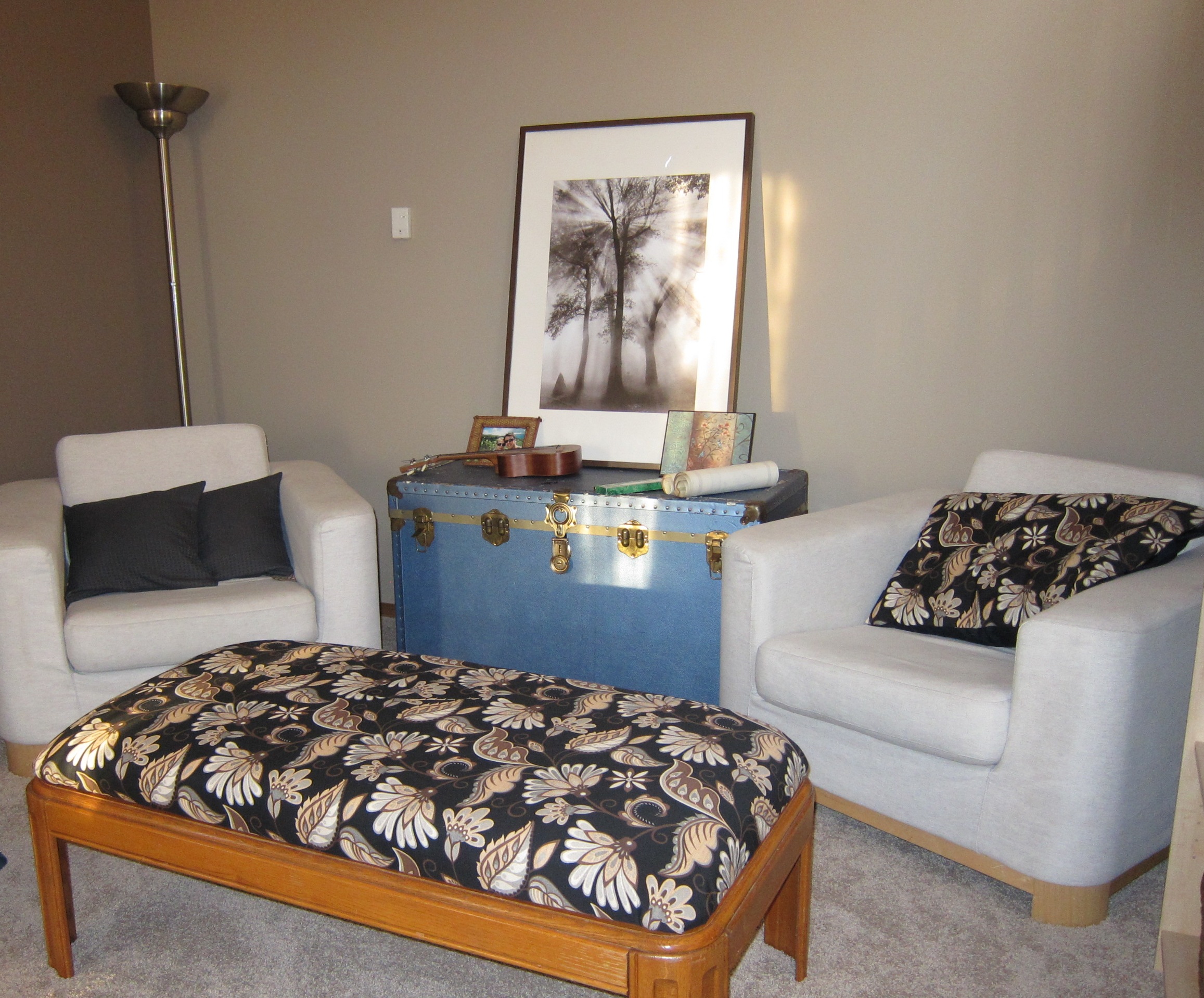
While Steve is back in KL finishing out the school year, I have begun the annual visit home to Canada with the first stop being an amazing week in Calgary with Greg and Liz, in their lovely new home. We have made the most of the time. Liz and I picked out livingroom drapes and material to convert an old coffeee table into an ottoman, made a couple of matching pillows and valance for the front door.

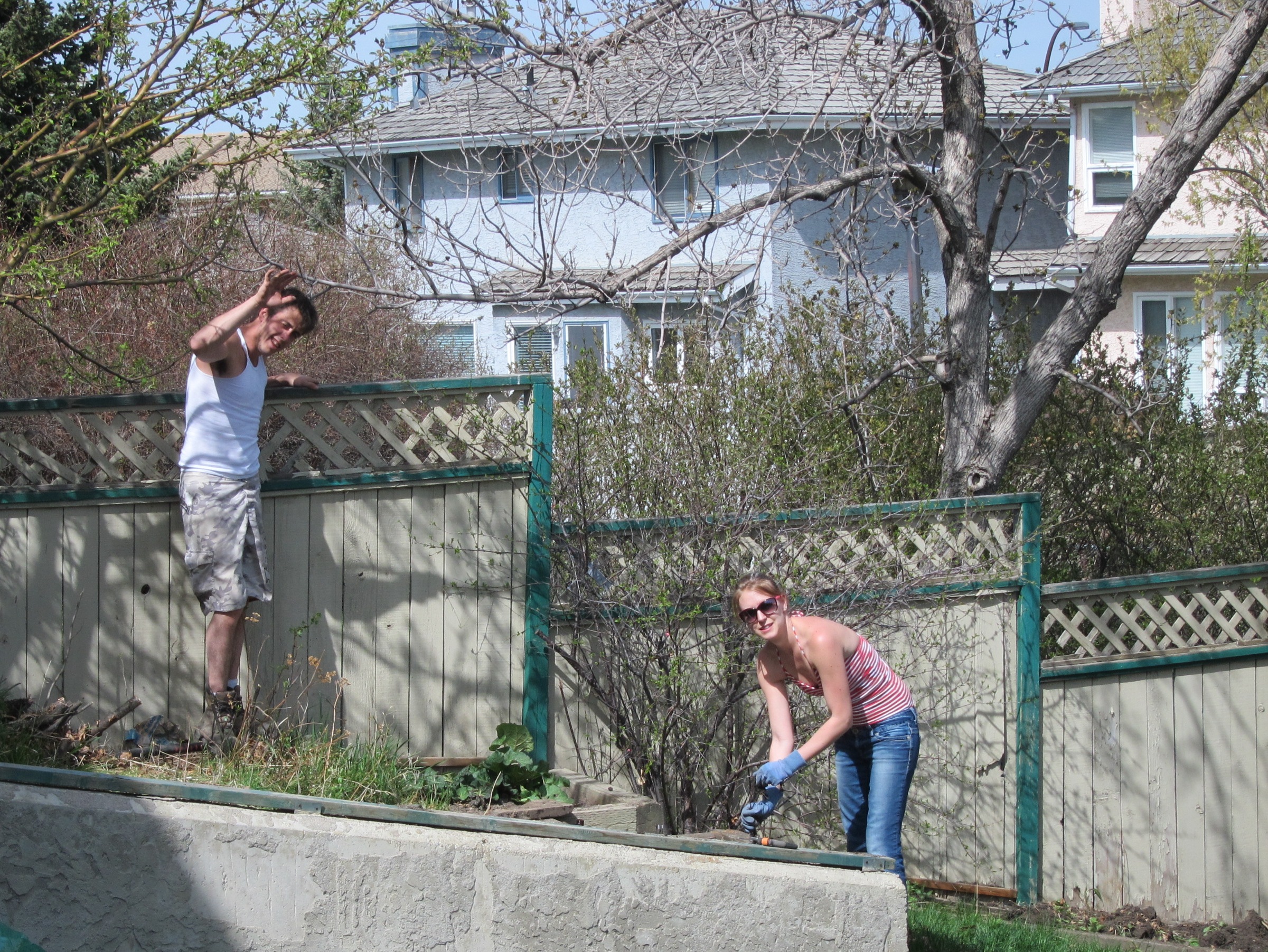
The weather has been gorgeous, allowing us a couple of very productive afternoons working on the garden.

I even took some time out for a spin on the Harley with Dave.

Mother’s Day was another beautiful Calgary day so the kids took me out for lunch on a patio overlooking the city and the river.

On Monday, with Greg and Liz back at work, I drove about an hour south west, in the early morning to have breakfast with my friends, Bill and Sharon on their patio enjoying a fabulous veiw of the foothills of the Rockies.

I was so grateful to have Liz with me to help pick out my new glasses- one of my least favourite activities and have thoroughly enjoyed being able to cook some meals for my family again.

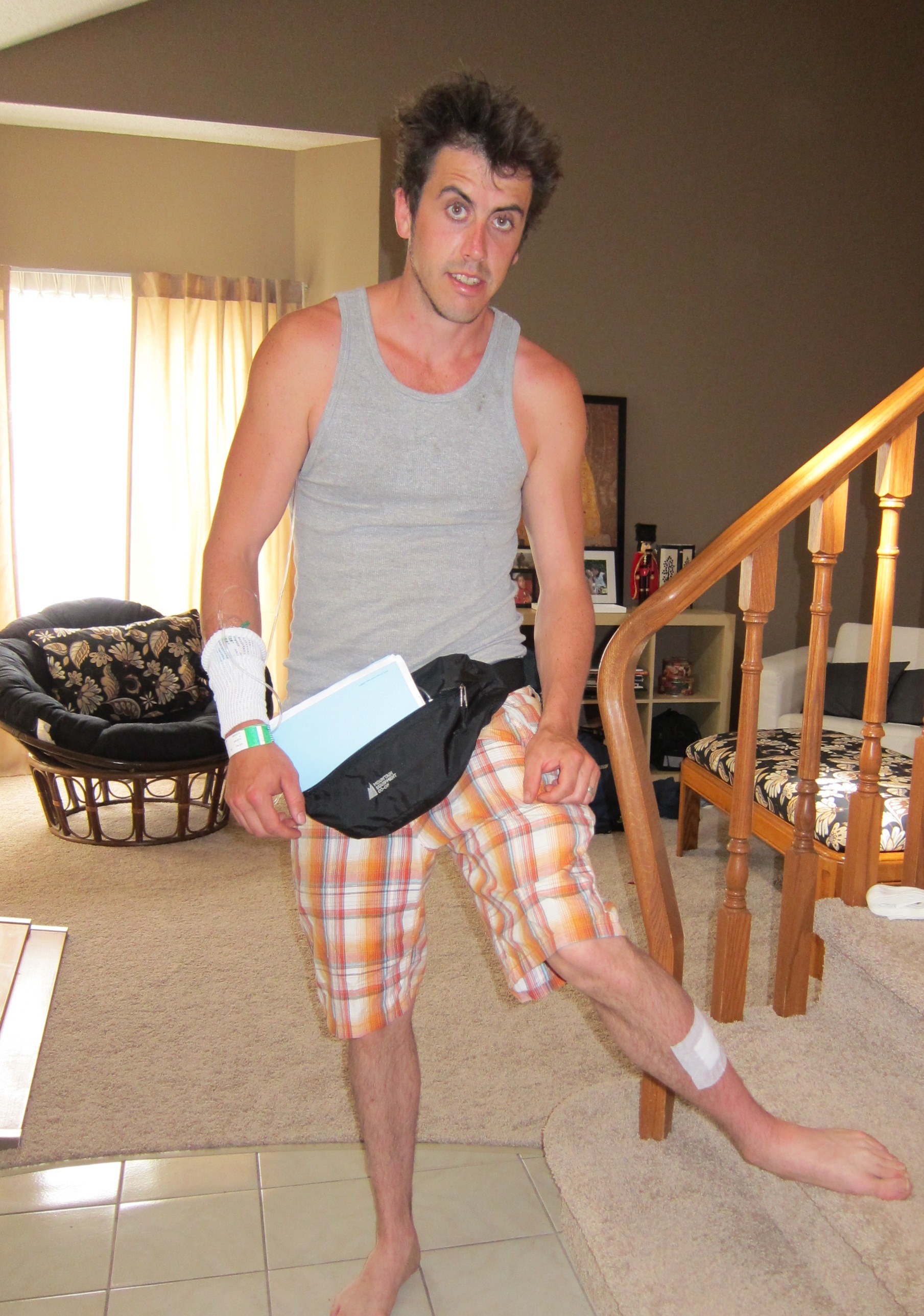
However, it is all fun and games until somebody gets injured and then it is five hours in the Urgent Care Center and three days with a portable IV for the antibiotics.

Breakfast in China is a challenge for my allergies. Unless there is fruit on offer – and there was none at this hotel – I am pretty much out of luck. I suppose there is the rice porridge. Moochi seemed to really like it! Never mind, the streets in China are full of food and rice noodles are not hard to come by. After breakfast we took the subway back to People’s Square and this time took the blue bus, which crosses the Huangpo River (a tributary of the Yangtze that it joins on the north end of the city) by means of a wonderful cable-stayed bridge patterned after one in Canada. The circular approach to the bridge, making the most of the restricted terrain and surrounding buildings, is unique to Shanghai.

Once in Pudong, which is what the other side of the river is called, we made our way down to the business district, home of most of the city’s skyscrapers. We stopped at the Pearl Tower, but opted not to pay for the ride to the top as our ticket already gave us access to the Jin Mao Tower, which we reasoned would give us a good view of the Pearl Tower and the city beyond. Although partially obscured by smog, the view was indeed spectacular and the concept itself almost beyond belief. Here was this entire financial district of some thirty enormous buildings – all of which incidentally are of marvelously modern design – where twenty years ago there was nothing on this land but vegetable plots. The government embarked on a deliberate program of development, aiming to make Shanghai a commercial and financial hub, and in a mere twenty years had completely transformed both the landscape and the economy of this historic city. You can rail all you like against central, socialist planning, but when it sets its mind on something, the results can be enormously impressive. Too bad they have set their sights on the smog!

Rather than take the bus back to the city we chose instead to catch a quick ferry ride for the sake of the view. For a paltry 2 Yuan we got terrific views of both banks of the river, and arrived in the center of the Bund. We stopped for lunch at a pricey little bistro and then caught the bus up the street to the Yu Gardens, which we had noted on our tour yesterday.

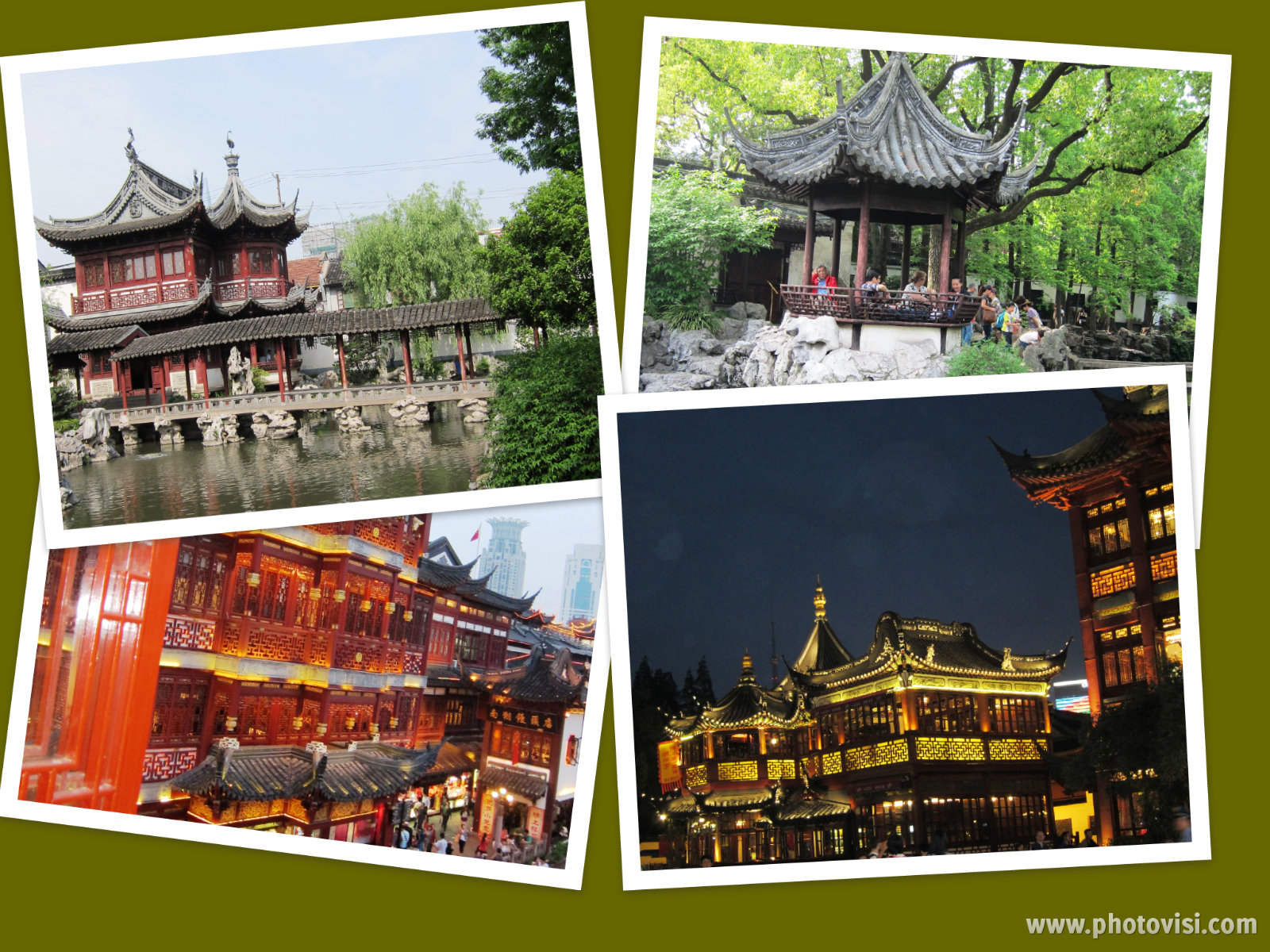
The gardens are located in what was once the original walled city before the Europeans arrived and was slated to be torn down to make way for a modern development. But a local community organization had argued successfully for its preservation of the site for its historical value, and the result is a quaint little section of town with narrow little hudongs, or alleyways winding their way past lovely old houses graced with curving roves and enclosing gardens, pools and temples. Tourists flock to the little shops that have sprung up in the houses and laneways and we had a very pleasant afternoon strolling through the grounds of the garden and the neighborhood temples and shops before settling in for supper at a dim sum diner for bao dumplings and spring rolls.

After supper we made our way back to the river and caught the boat tour that was part of our Hop On/Off package. The boat was packed and seats were non-existent, but none of us minded standing to watch the lights of the city float serenely by. It is truly one of the most magnificent skylines in the world, combining some radical and innovative modern buildings with some of the finest structures of the colonial past. Pudong is clearly developing into something of a tourist site as well, as further down the river there were parks and cafés lining the esplanade.


Once again a taxi at the end of another long day seemed to be the best option for getting back to the hotel. Too bad we were all so tired, for the nightclub scene in this city looks like it would be seriously entertaining!