Ministry


There have been some gains in literacy in Nepal since the 1970s when the government began including programs for girl’s education, but the WHO statistics still indicate a huge discrepancy between literacy rates of males and females.  In 2002 the literacy rate for males was 62% but for females only 26%.

Many reasons exist for not sending girls to school including lack of household resources, high school fees, a lack of sense of importance of educating girls as they will simply get married and become an asset to the husband’s family, a heavy workload for girls in the home, a lack of female teachers and inadequate facilities.

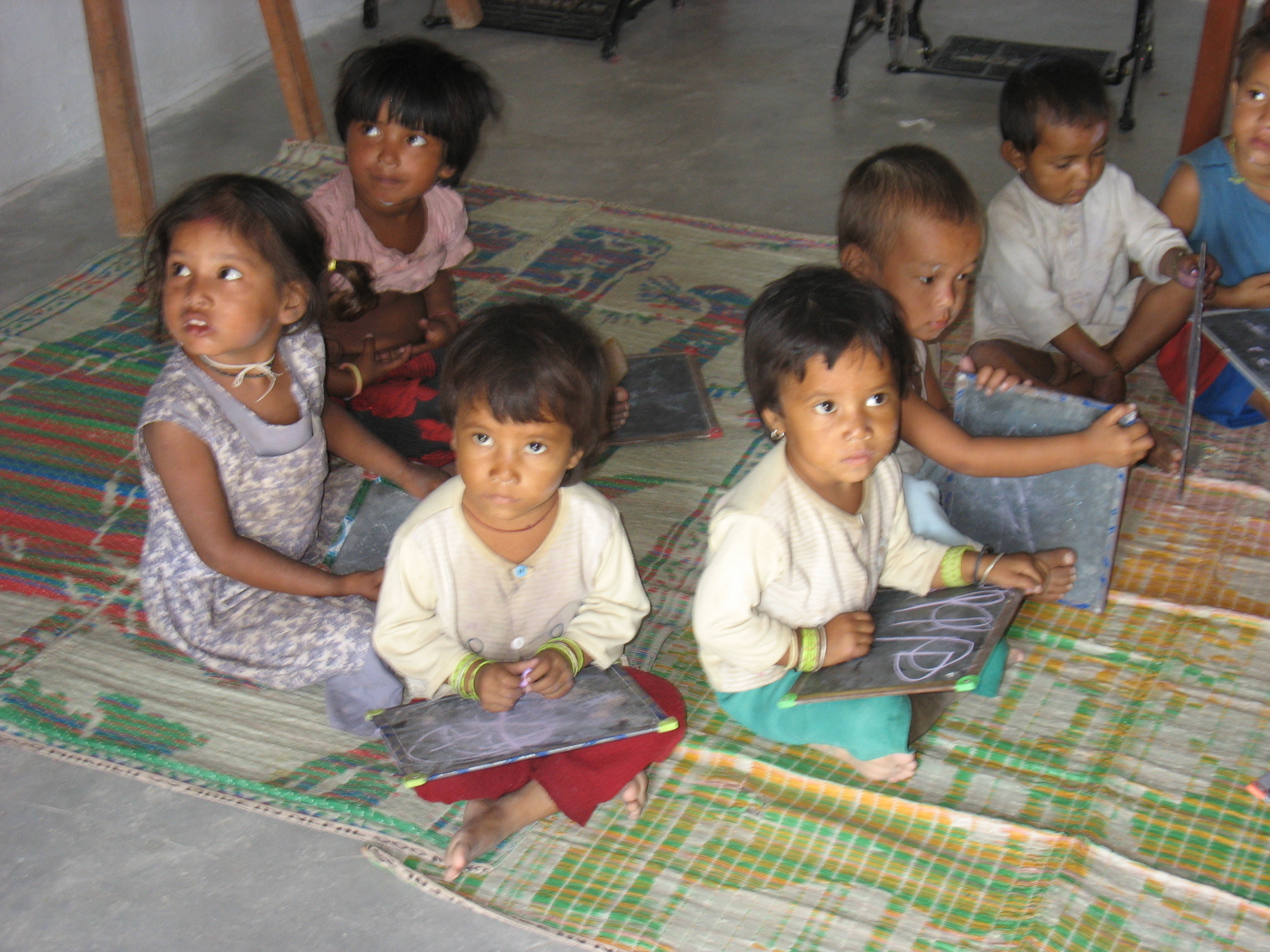
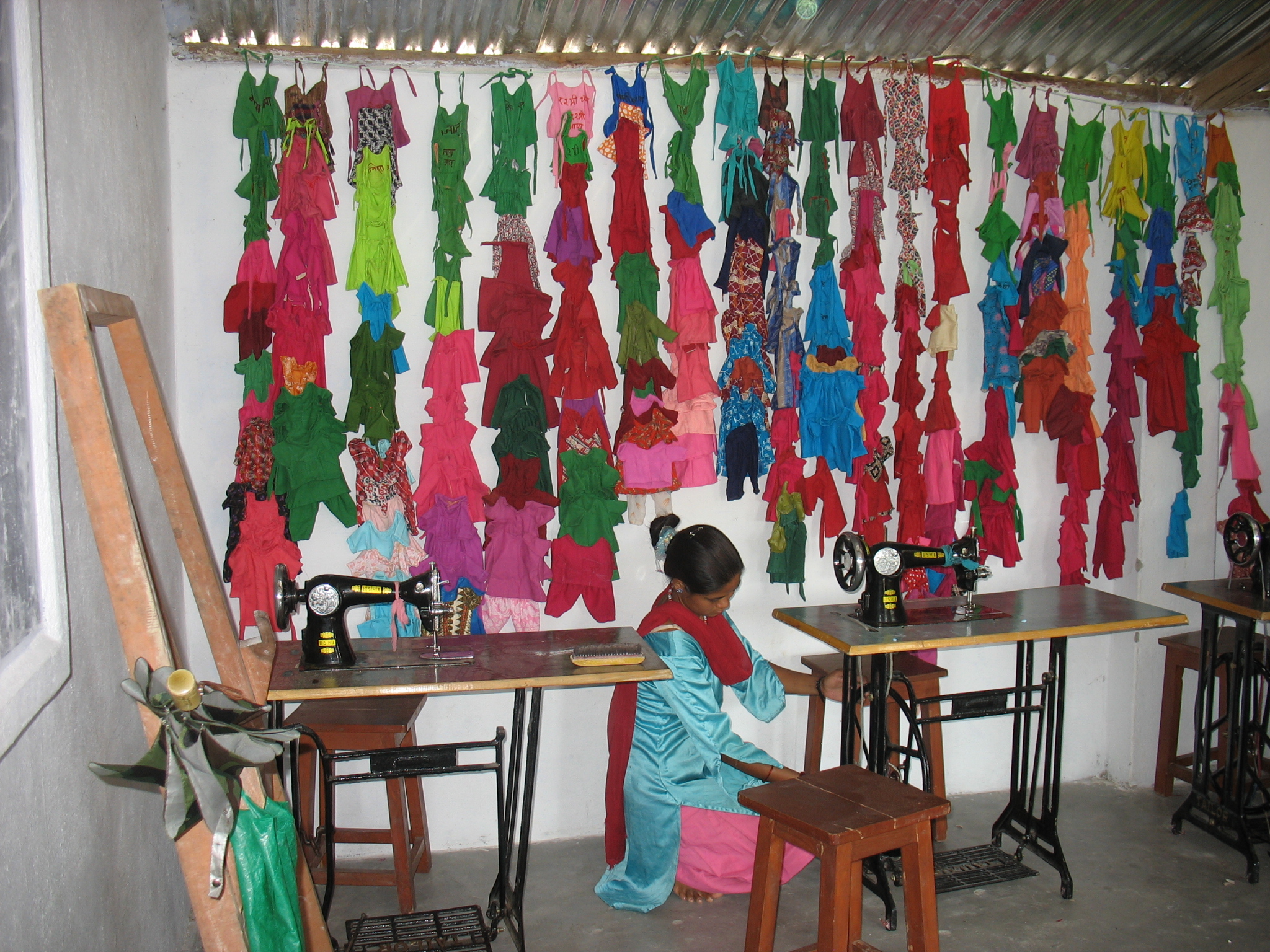
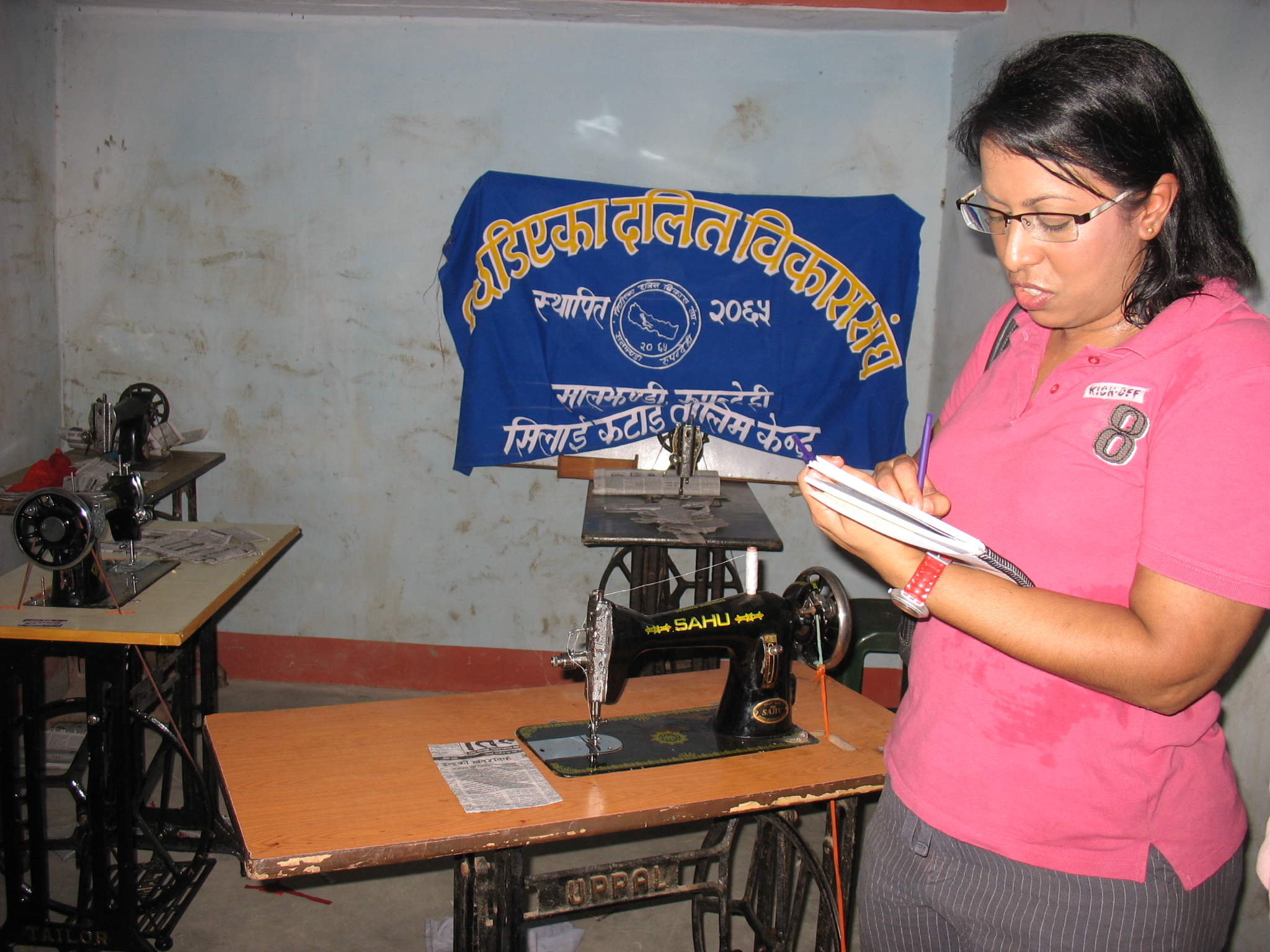
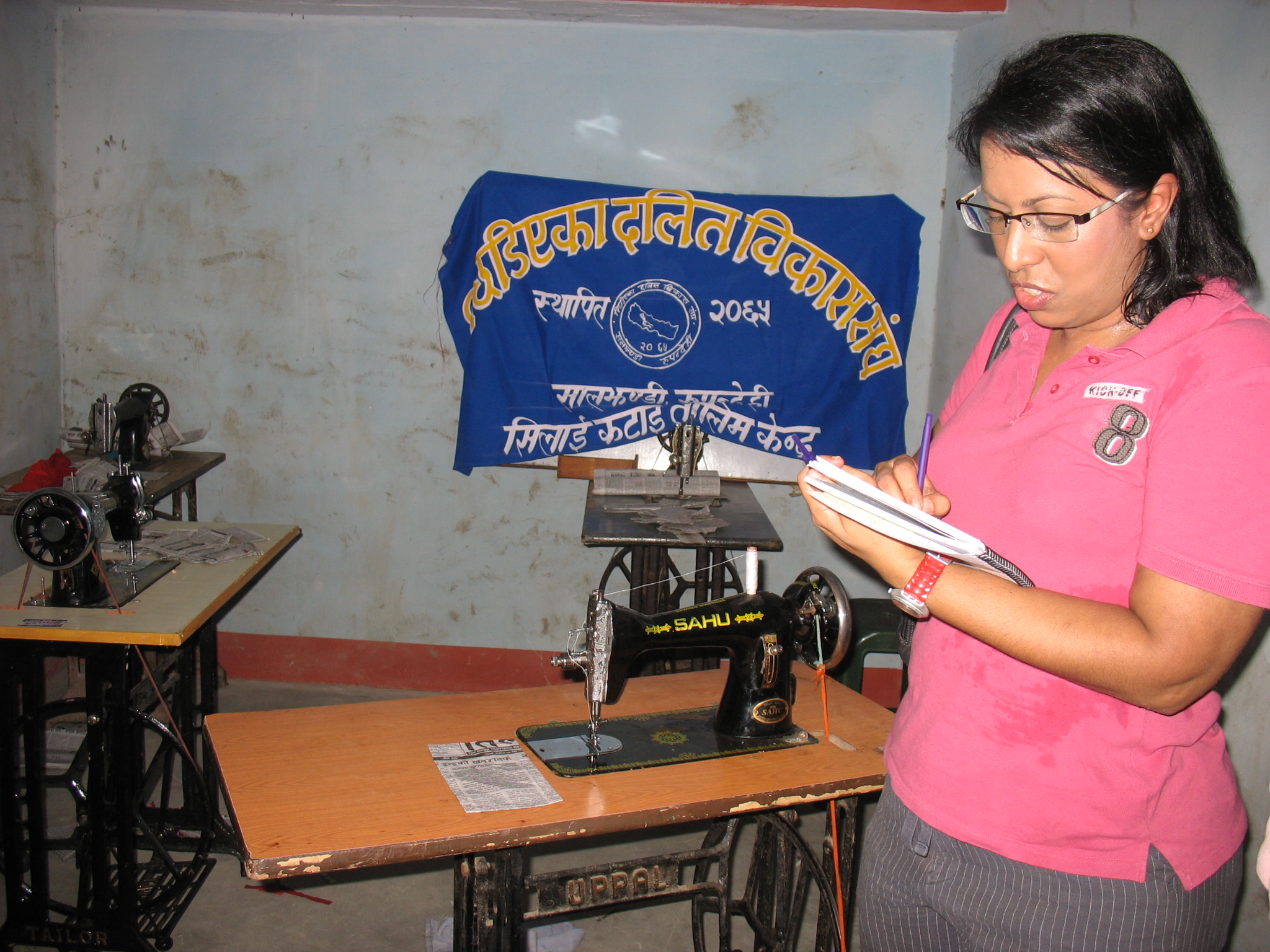
Along with literacy programs for women, TWR staff and volunteers have recognized the need for childrens’ programs.  We visited a multi-purpose  “school” in  a dump area which provides schooling for the kids in the mornings.  We were there to see classes break up for the day and the room immediately fill with women who receive not only basic literacy but also sewing and design skills and the knowledge needed to set up and run a small business.

504510

517518

A 9 year old girl said “I really wanted to go to school like my friends. But my parents stopped my schooling after 6 months of my joining school because they were not able to provide my uniform and exercise books and pencils. With heavy heart and broken heart, I had to stay back at my house to look after my younger brother at home while my parents went out to work. I used to peep out my age children are going to school with school uniform and school bags with full of books. I wished I could get opportunity like these children. Now, I am so much happy to able to study in this children education centre. I want to be a teacher in future so that I can teach those poor children like me.”


As a result of the sewing programs, five women have found employment in the garment and tailoring industry and three have opened their own small shops.

Youth with a Passion

As we drove through the countryside we would often see very small buildings, identified as churches by a cross on the front. We were able to visit a number of these churches to see their work and to give a radio to some members of the congregation who had already established an outreach.

We met a lovely group of young people, some who had come as far as 45 kms, by bike.  They were anxious to show us their work through a drama presentation in which they distributed, not tracts, but radio program guides, giving us some insights into the strategies for reaching an oral society.

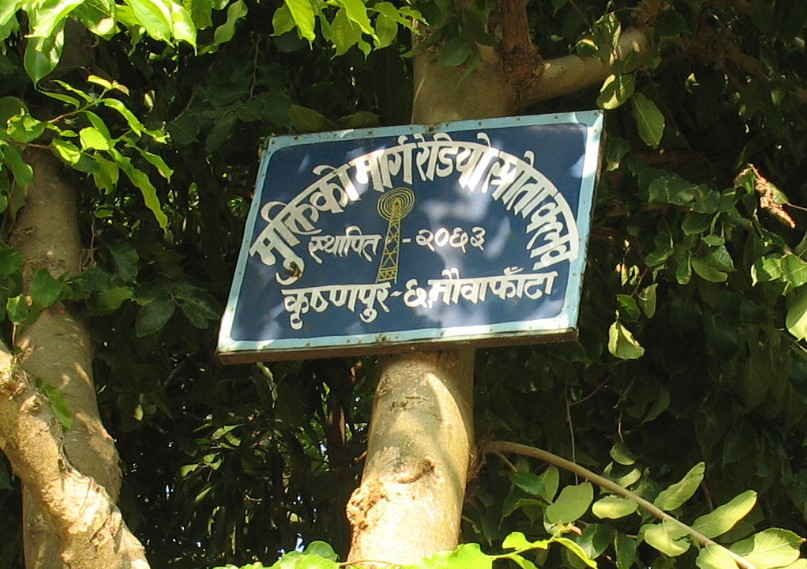
One young lady took us out to visit some “club houses” which are new, small groups of people who gather together around a single radio and form the beginnings of a learning community and a new church.  It was exciting but humbling to see these seeds planted, marked by a sign in a tree, identifying TWR and radio broadcasting as the avenue.


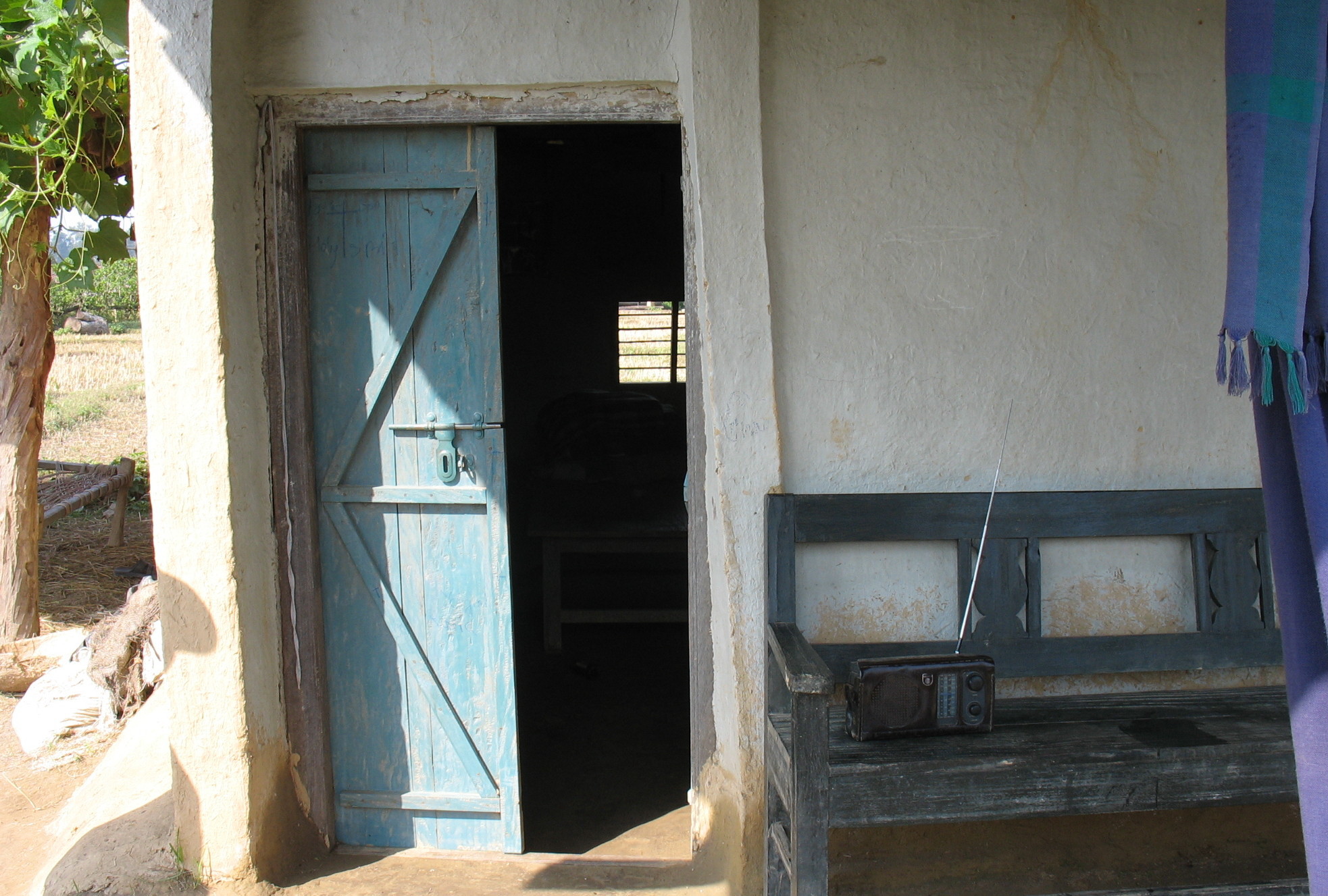
I have to admit that I wanted to give a radio to anyone that expressed an interest as it seems such a small thing to me.  In reality, radios are just such a valuable commodity that no one recieved one unless they had already proven that they had a goal for its use, listened to a presentation on the mission and values of TWR and signed a statement saying that it would be used only for the work.

Tharus are the largest and most visible group of people in the area that we travelled.  With a population of about 1.2 million or 6.6% of the total popualtion of Nepal, they are thought to be the original inhabitants, and the only people able to live there due to a natural immunity to malaria. The eradication of malaria in the Terai resulted in a movement in of others to claim the fertile land of the valleys.  The Tharus were exploited by landowners, fell into debt and entered into virtual slavery as bonded labourers.  In 2000 the kamaiyas were freed by government legislation but little has been done  to help these now landless and jobless people.

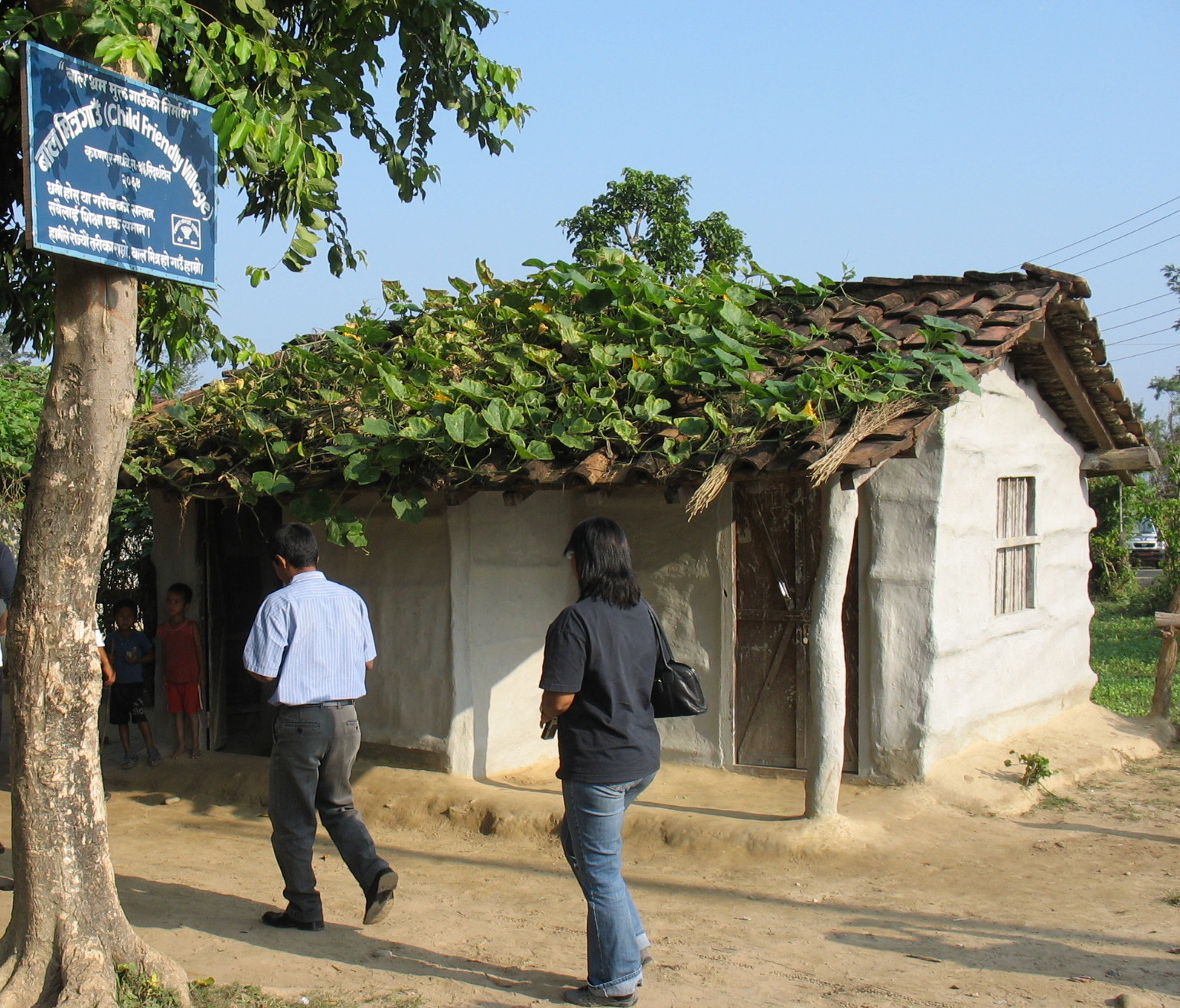
The Tharus are very skilled at improvisation, making almost everything they need from the natural resources available around them.  Their homes are built from woven twigs and grass coated in thick laters of mud, which even acts as a natural heat shield.  This process is also used to make their furniture, cupboards and even water coolers and wood fired kitchen stoves.  Although their beliefs are largely animistic involving the worship of forest spirits and ancestors, there is also a very strong influence of Hinduism in the culture.


We visited a Tharu village and met with several families who told of pasts almost destroyed by the alcohol that was part of virtually every family and social function,  and with the wife of a once influential landowner, who took his own life after loosing everything due to his alcoholism.  This group have been very open to the good news of the gospel and large numbers have experienced changed lives. 


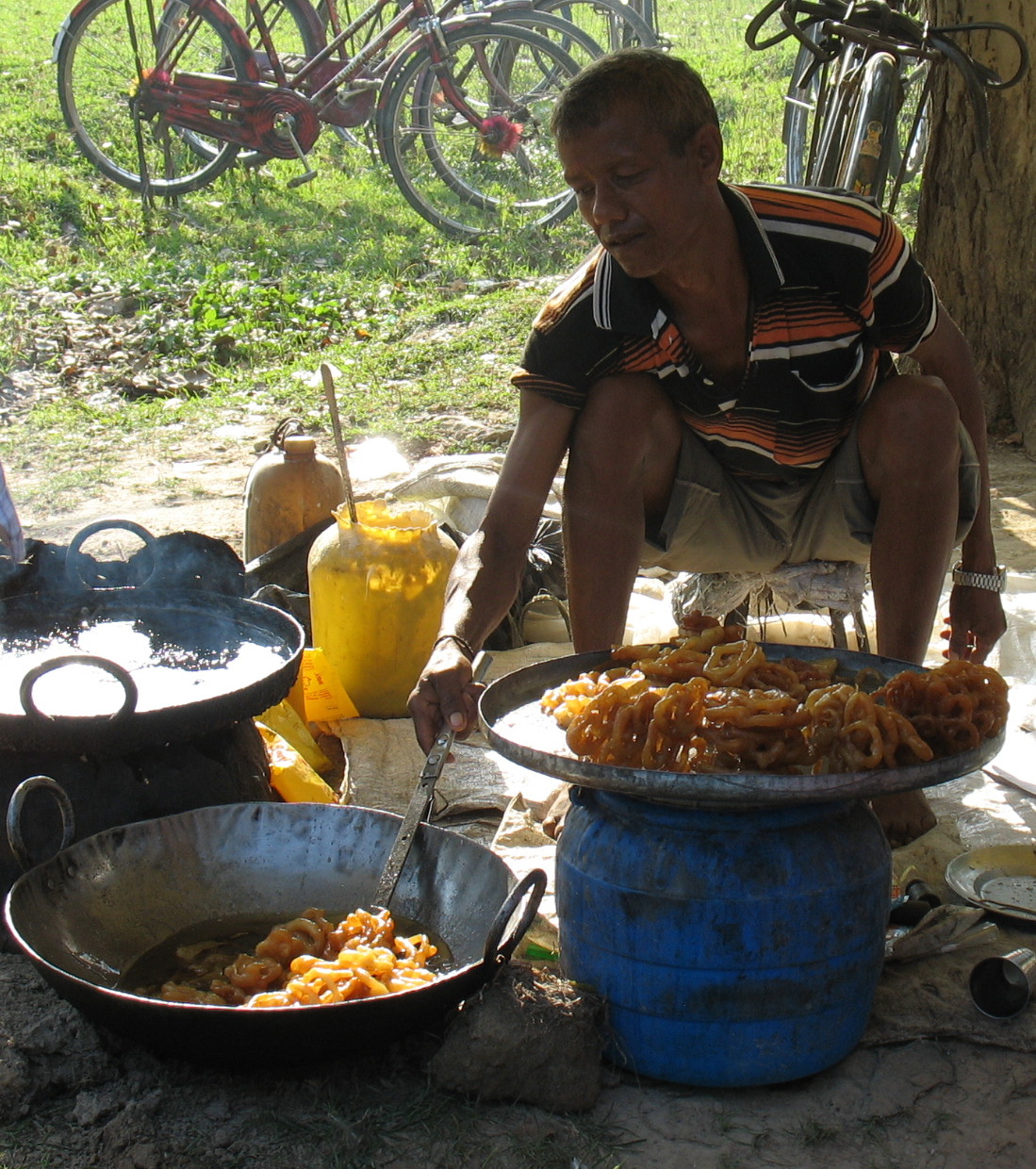
This man sent his child running to us with a bag of the sweets he sells at his market “stall”.  A thin, doughnut, deep fried and soaked in honey, they were awesome!

 We had already heard his story from his wife of how he was on the verge of suicide, having lost everything as a result of his alcohol addiction, when he was introduced to the life giving message of the gospel.

The TWR Nepal team is small and although the broadcast areas cover most of the country, their scarce resources severely limit the extent of available programming.  “The Word Today” is a 15 minute progam that is broadcast twice per week in many areas on local stations, usually between 6-8 in the morning and the evening.  A locally produced program is also available once per week in some areas and Women of Hope has been on the air for only a few weeks in Katmandu and Butwal only.  I have to admit that I really wondered how much impact this small amount of airtime could have on the country.  Everywhere we went we saw evidence of joy and peace in the lives of listeners.

Generations of Families Changed

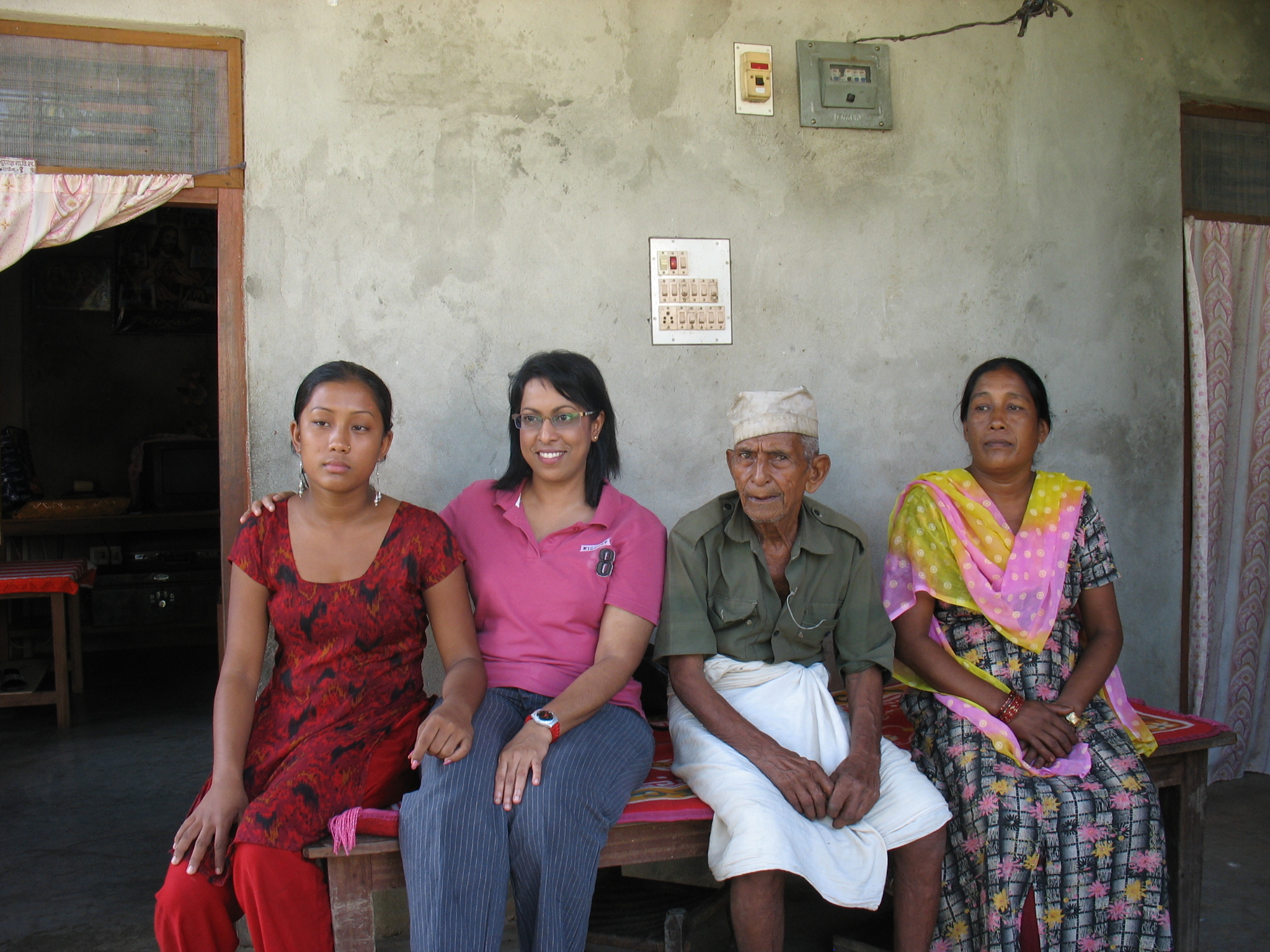
One of the first stops we made was to visit a home in which three generations have been listening for a number of years.  There we met a young girl who was eager to tell us about the joy her families has recieved from the broadcasts.  She was delighted to write down her story so the we could share it with others on our return to Singapore.

Believers Reaching Out to Others

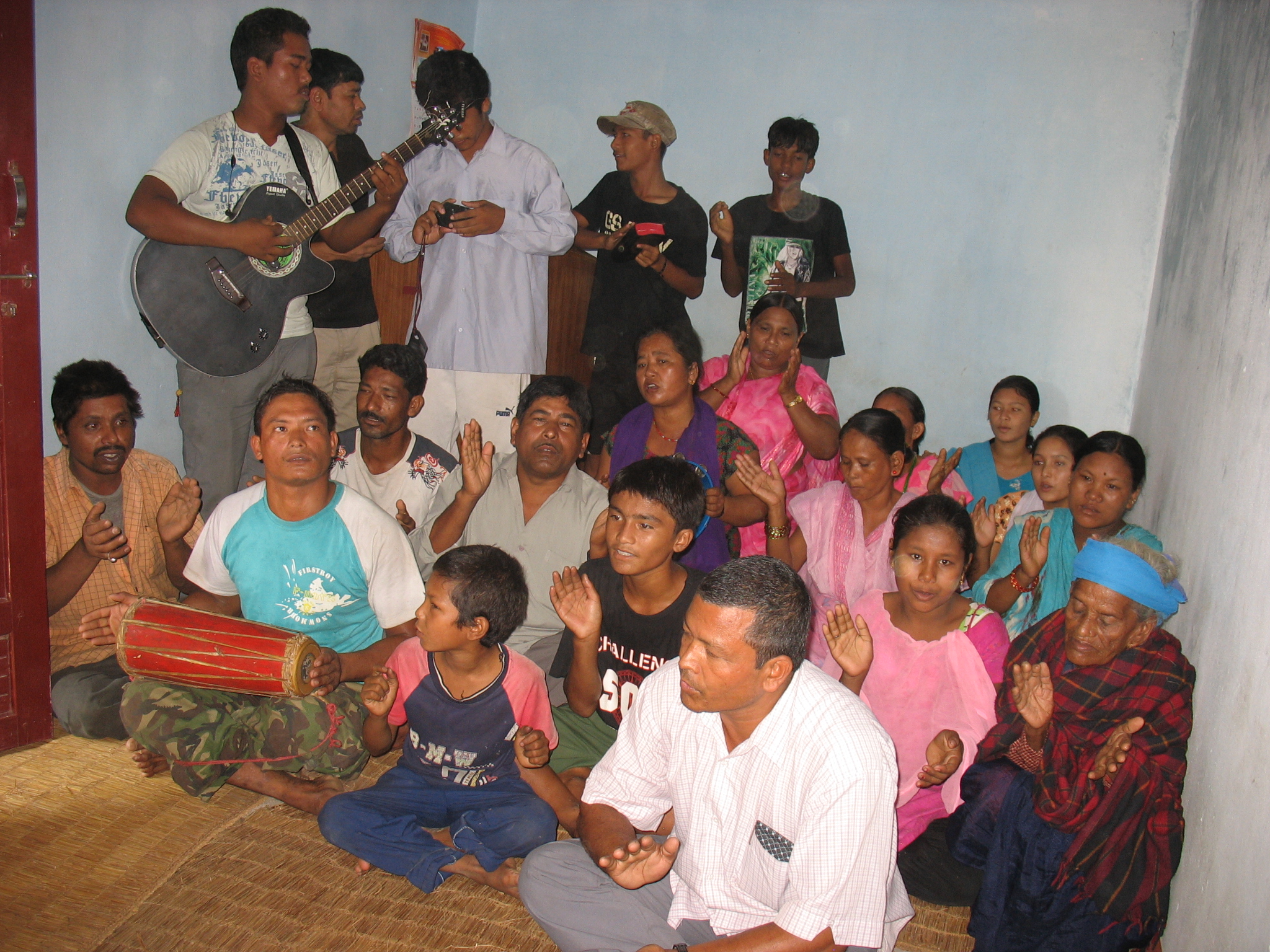
In a small town we were greeted by members of a church which had formed around the radio ministry.They were so happy to have us there that they did a little impromptu service, sharing some of their music with us.  This is the full size of their church building, and it was hot, but they were rejoicing in God’s provision. 


This church is reaching out to their community through a program to teach sewing skills to women so that they are able to earn some money to support their families.


I found a special friend in this lovely little lady.  I think she felt she could relate to me because we were in the same age bracket.


From here we went to visit an orphanage that was established by a young couple with a burden for children.  We were able to give them a couple of radios for the children’s dorms.


 Congregations Growing

After a quick visit to a rapidly growing church, we went out into the counryside to visit some of their members. We visited this home of this elderly couple and I stupidly asked how they got to church for services. Of course, they walk three hours to attend the church, in spite of the fact that he is partially paralyzed.

I have spent the last two days wading through all of my photos and trying to come to grips with all that we saw in Nepal.  It was really an amazing experience that I wish I could effectively share with everyone.

I travelled to Nepal with three others from the Singapore Service Centre.  Serene is the leader of the Women’s ministries for this region and Mel and Jack who are Media Resource Group staff.  Once there we met up with Simon, the Ministry Leader and three of their staff, Mohan, Desra and Shanty.  We were also very blessed to have an amazing driver, called “Guru” in Nepali. He is a very professional Brahmin man who not only skillfully manged the challenges of the road system, or lack of, but he also knew his country and was constantly looking after our every need.

Map provided by ReliefWeb <http://www.reliefweb.int/>

We drove west from Katmandu for about 6.5 hours to cover the 180 kms to Butwal.  From there we headed about 450 kms west almost to the western border, to the town of Dhangarhi.  We made many detours along to way to visit listeners in small villages and rural areas.  On Wednesday we returned to Butwal, did some local trips and then spent a night in Tansen, very high up in the mountains.  Attended church in Butwal on Saturday and then spent a night in the Chitwan area prior to returning to Katmandu for our flight home.

The goals we had for the trip were to get to know theTWR Nepal staff and see their ministries first hand so we could get a sense of the effectiveness and challenges of their ministry, research needs and resources for future programs and projects, visit volunteers and listeners to hear their stories and encourage them and to distribute radios.  Along the way we were monitoring reception and signal strength of current broadcasts.

I will never forget the people we met, the stories that we heard and the places that we were welcomed , often to share a cup of hot, sweet milk tea.  As this blog functions as something of a journal of our time in Asia, I will share some of those memories with you over  the next few days.

Women’s Ministry Conference

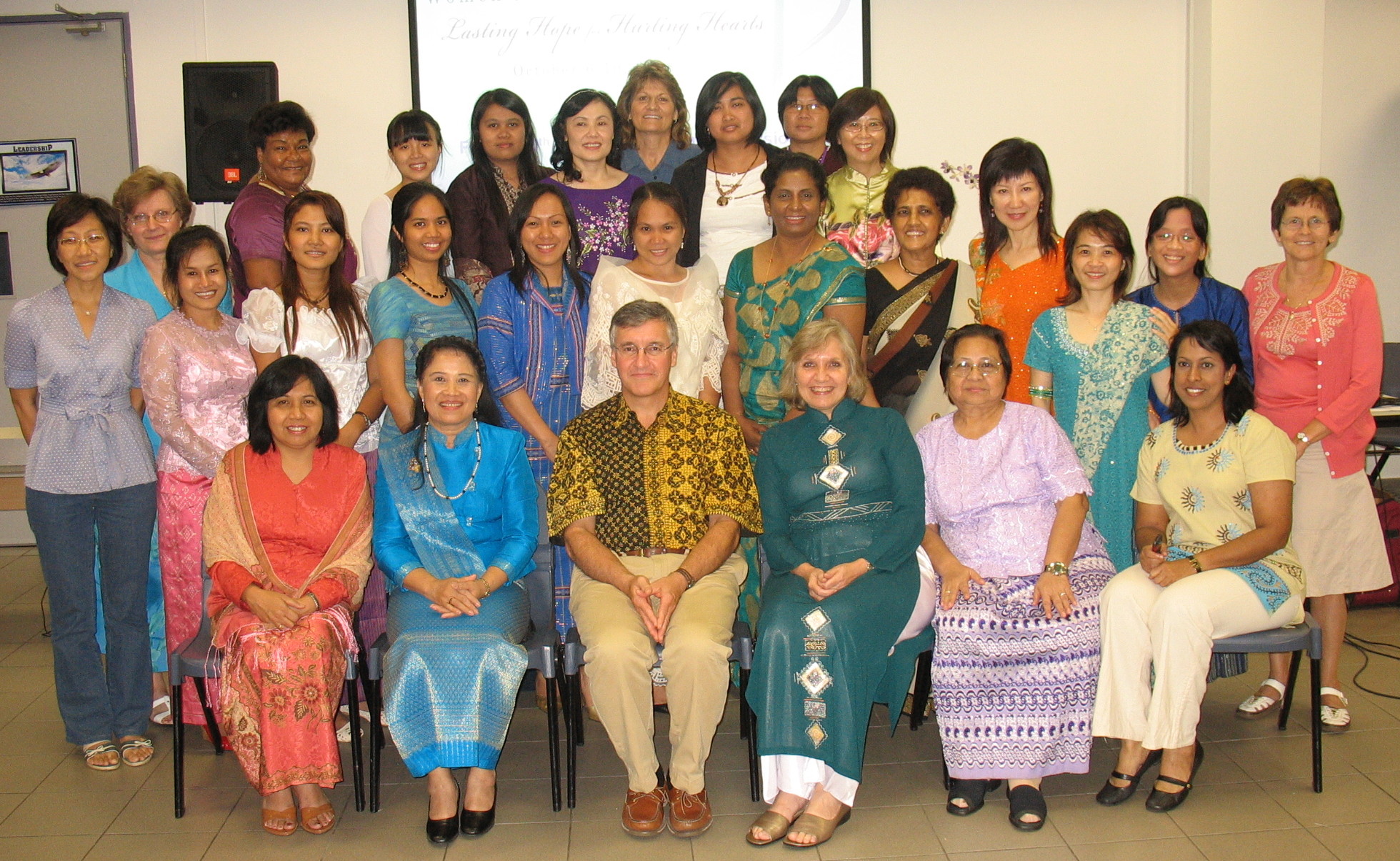
Lasting Hope for Hurting Hearts


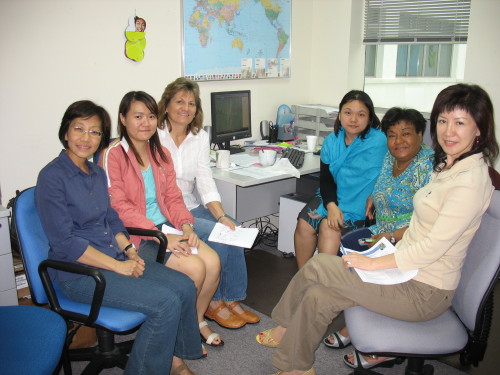
The first week in October marked the end of many months of prayer and careful planning in preparation for what turned out to be a wonderful week  with some of the most amazing women I have ever met.   They came from Sri Lanka, Cambodia, Thailand, Indonesia, Vietnam, Myanmar, Taiwan, the Philippines and Australia.  Ranging in age from 23 to approaching retirement, single and married, those without post secondary education and others who are highly educated, with many different languages, they all share a passion to meet the needs of the women of their country

The goal of our planning team was that this would be an opportunity for gaining new knowledge and skills, meeting new friends who share the same challenges in their ministry, sharing ideas for strategies and projects, finding opportunities to collaborate on future projects, praying and worshipping together and having some fun and relaxation.

There were some very practical sessions on Strategic Planning, Programming and Developing a Prayer Network and Wholistic Approach to Ministry.  The major focus for the conference was on Biblical Counselling, a need that had been identified by teams from all of the countries.  Several sessions focused on specific areas such as self esteem, marital issues, violence against women and the sex trade.

Our key speaker was Phil Prather, from “Hope for the Heart” an organization that has developed an excellent set of resources for use in peer to peer counselling to offer encouragement, advice and hope based on Biblical truth. Hearing impaired from childhood, Phil articulates his words carefully and speaks at a pace that made it much easier for all to understand. He was a tremendous encouragement to those who work on the frontlines of care, and need the resources he provided. I’ll continue these thoughts next post.


Pam’s conference is over, and from the brief conversation I had with her it went extremely well. All the women who had registered were able to get their visas and the conference was a great encouragement to them. Just to be among others who were engaged in a similar ministry of outreach was affirming and positive. The speaker was excellent, and Pam’s efforts with organization were appreciated.

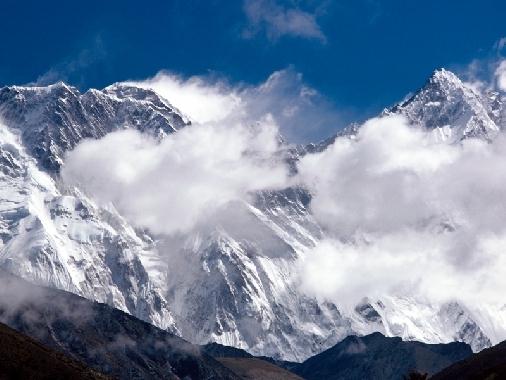
Now it is on to Nepal with a much smaller group to see first hand the work of Trans World Radio in some of the most remote parts of the world. They arrived in Kathmandu around 3 in the morning, EST and by now should have arrived in Butwal, which will be their base for the coming week. Flying into Kathmandu from the south in an amazing experience as the green tree-covered hills look absolutely tortured from tectonic uplift. I know because we all took that flight on our way home from Bangladesh. But flying through the inland plain with a view of the majestic Himalayas must have been an awesome sight.

Please continue to pray for Pam’s safety and her growing understanding of the spiritual and medical needs of the women she feels called to reach. This is an enormous work she has undertaken, and only God can divinely superintend its outcome, and give her the strength and wisdom she needs to be an effective minister for the Lord.

After about four months of bantering around slogans for our Women’s Ministry Conference, we finally came up with the perfect one.

I spent last Thursday and Friday in Singapore and it was great to get back to the TWR office to catch up with the things I had missed while in Canada.  Our conference planning committee met and the details are starting to come together very nicely.

We have women signed up to attend from Cambodia, Myanmar, Sri Lanka, Nepal, Philippines, Taiwan, Vietnam, Thailand, India, Indonesia and Singapore.  We are very grateful for our  home church, West London Alliance who has covered 60% of the cost of the accomodations for a week long stay in Singapore for women who for the first time will receive training and resources to use in counseling listeners from their own countries.

Although all of the women speak English well enough to translate scripts and write reports, it is not the heart language of any of them.  We have planned a very full week that would be a challenge for even a native English speaker, so we will need some real wisdom and sensitivity in ensuring that the ladies are not completely exhausted when they leave.

“Unless a seed falls into the ground…” What does that scripture say? We all are planted someplace, aren’t we, and watered by love and experience. We grow up and bear fruit: degrees, jobs, children, houses. But what of us? Do we remain productive, producing fruit in abundance throughout our lives? Or do we grow old and stale, our fruit no longer of use or even evident to others. What then?

Then we have a choice. Put our feet up and watch telly or its mindless equivalent (J.R.R. Tolkein spent the last 15 years of his life inventing new ways to play solitaire) or die. I don’t mean literally. It’s a figure, and one that scripture uses often. “Unless a seed falls into the ground, it remains only a single seed, but if it dies, it bears much fruit” (John 12:24).

I loved my life in Canada. I loved my job, my drive to work through the cornfields of Elgin County, my nice shiny new Pontiac G6 with its 200 watt sound system, my summers in my canoe in a northern lake. I loved my church and my friends, and our house down by the river Thames. Coming here was like a death for me, and I was not happy with the Lord for leading me here. In fact I was downright angry with Him.

Not that this isn’t a lovely place, don’t get me wrong. But I felt out of place, disconnected and ineffective. I don’t know when it started to get better. Round about December I think, when I got my course evaluation back from my students and I read how much they appreciated what I had taught them. Since then I have gone from strength to strength. There is a verse that covers this as well, “Weeping may last for the night, but a shout of joy comes in the morning” (Psalm 30:5). 

Morning has broken. Now I can see more clearly behind me, how stale and dry I had become and how much I needed to let my life in Canada die. The Lord knew that long before I did, and was preparing a place for me here in Malaysia. I see that my struggles to come to grips with new curricula and a different age of student has rejuvenated my teaching and made it vital again. Once again I am becoming fruitful for God, and that is worth the small death I had to die to get here.

img_4889.jpg 

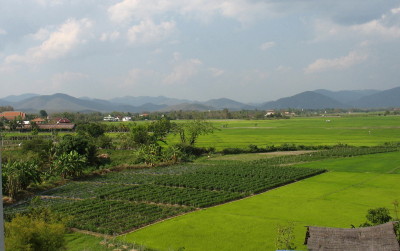
 I didn’t get to see very much of Thailand but what I saw was beautiful and only makes me anxious to get back there again.  We stayed in a small town outside of Chiang Mai at a rather basic hotel.  It did get better by the third night once we all discovered that our mattress were actually upside down and we really didn’t need to be sleeping on boards.

The CHE workshop was excellent and I met a really neat group of people who are serving in various parts of Asia.  Our days were packed from 8:00 until 5:00 and we learned an exciting, integrated strategy for giving villagers the tools for spiritual and physical health.

At the end of each day we headed into our little town of Hang Dong for supper at a local market and a chance to get to know each other better.  I look forward to working with a number of these people in the future, particularily Sandy, a retired Nurse Practictioner/Midwife from Australia, who has set up a clinic in a slum in Phnom Penh.

On Friday we finished early so one of the other participants, Pastor Marting, a lovely Lahu man, took us on a quick ride through Chaing Mai, a tour of  an Umbrella Factory and a visit his church and training project.  I arrived home late Saturday afternoon feeling pretty exhausted.  Maybe I am getting old.

« Previous PageNext Page »