October 2008
Monthly Archive
October 12, 2008
Posted by Steve and Pam Wise under
Ministry
1 Comment
 Pam’s conference is over, and from the brief conversation I had with her it went extremely well. All the women who had registered were able to get their visas and the conference was a great encouragement to them. Just to be among others who were engaged in a similar ministry of outreach was affirming and positive. The speaker was excellent, and Pam’s efforts with organization were appreciated.
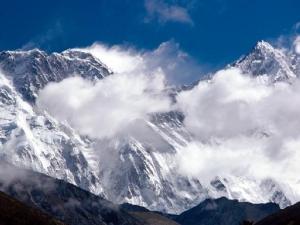
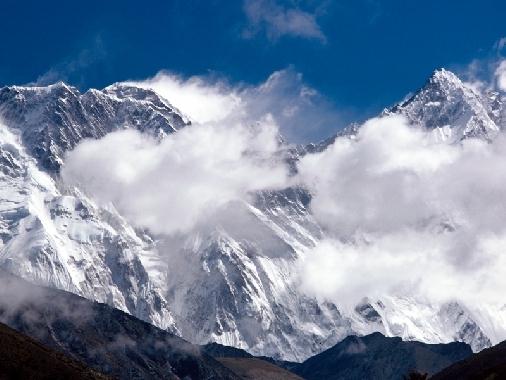
Now it is on to Nepal with a much smaller group to see first hand the work of Trans World Radio in some of the most remote parts of the world. They arrived in Kathmandu around 3 in the morning, EST and by now should have arrived in Butwal, which will be their base for the coming week. Flying into Kathmandu from the south in an amazing experience as the green tree-covered hills look absolutely tortured from tectonic uplift. I know because we all took that flight on our way home from Bangladesh. But flying through the inland plain with a view of the majestic Himalayas must have been an awesome sight.
Please continue to pray for Pam’s safety and her growing understanding of the spiritual and medical needs of the women she feels called to reach. This is an enormous work she has undertaken, and only God can divinely superintend its outcome, and give her the strength and wisdom she needs to be an effective minister for the Lord.
October 8, 2008
Posted by Steve and Pam Wise under
Current News
Leave a Comment
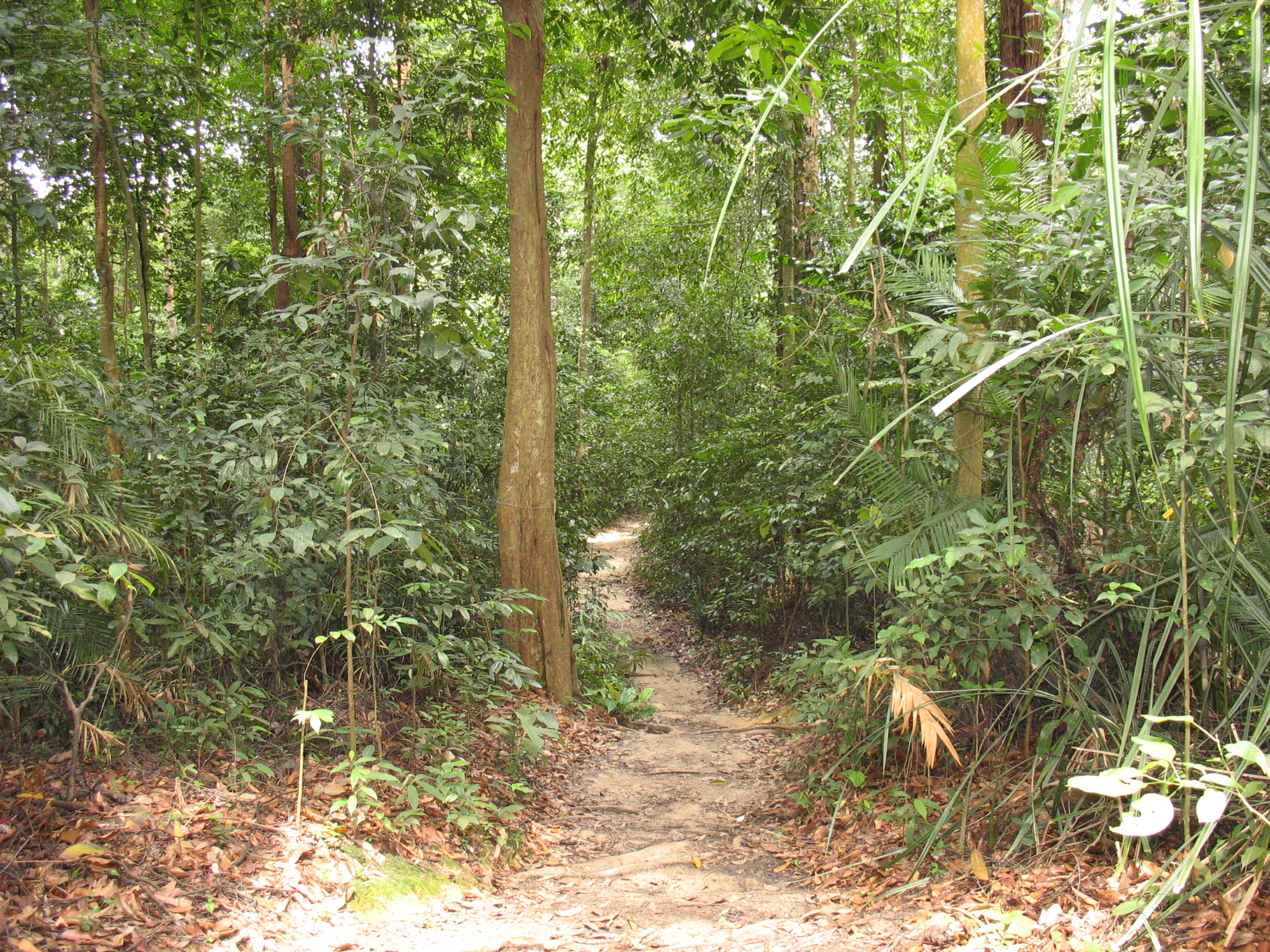
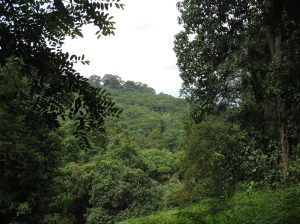 Singapore is a city of almost five million people, and it is confined to an island to the south of Malaysia. Being geographically limited in size, however, has not limited its appreciation of nature. East Park runs for miles along the Straits of Malacca, from just outside the core of the city all the way out to Chaingi Airport. Its paved walkways and manicured lawns and beaches are a great place for a swim or a stroll. But even more remarkable is a stretch of untouched rain forest, the Bukit Timah Natural Reserve in the heart of the city.
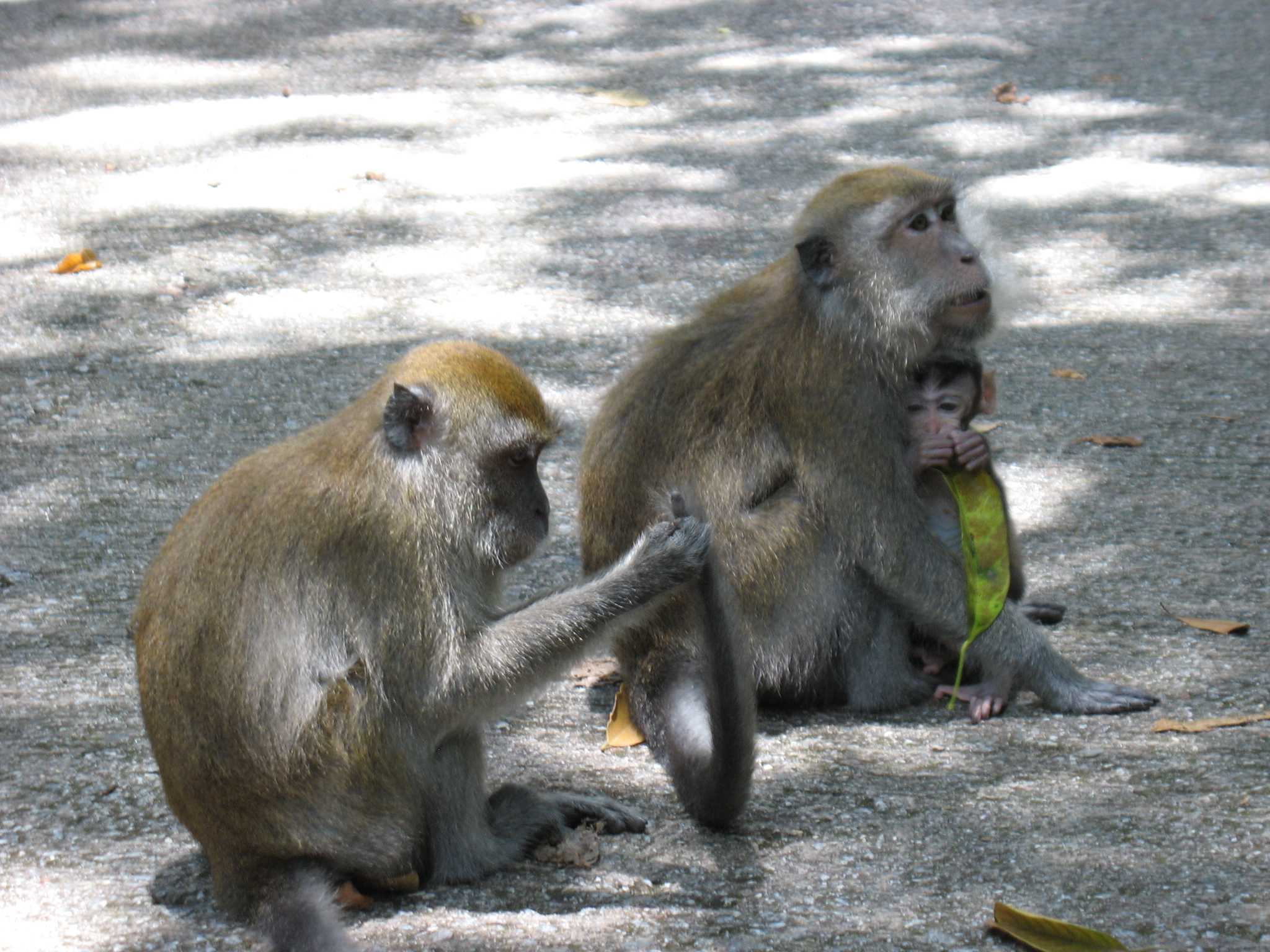
 It is a stiff climb to the top of the hill, but the main path is paved, and even the forest trails are well maintained so that one can take a leisurely hike down through the forest. On the way to the top I caught sight of a troop of monkeys grooming one another. They were not spooked by my being there, nor were they eager for a handout. These monkeys behaved normally, neither in fear nor in dependence of man.
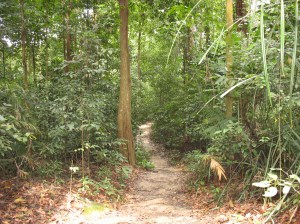 I saw lizards as well, some as long as your dining room table and plenty of butterflies, but not many birds. Many of the trees had small informational signs posted in the ground for those of us who like to know that kind of thing, so I was able to identify banyans and tamerinds and many kinds of palms and lianas that I hadn’t known about. Lianas (the vines that climb tree trunks) make up about 40% of the canopy in a rain forest. That’s a huge amount of oxygen production that is also lost when the tress are cut down, as lianas depend entirely upon those tress for their support.
October 7, 2008
Posted by Steve and Pam Wise under
Current News
Leave a Comment
 How do you rate a city? What is your personal yardstick? Is it the height of the buildings, or their architectural excellence? Is it the night spots, the city life, the ease of traffic flow or its congestion, the level of public art or its civic governance? Perhaps you avoid cities entirely, as I did for the twenty or so years that we were raising children, preferring small town friendliness to big city angst.
Having grown up in what used to be one of the world’s great cities, and longing for that elan and flair, that sense of excitement combined with a sense of security that Toronto has long since traded in for mere size, I can tell you precisely what I look for in a city: people space. Cities that make space for its people, attract and keep quality people who appreciate the respect they are given by a city that values them being there.

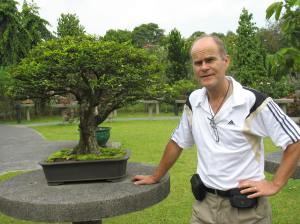
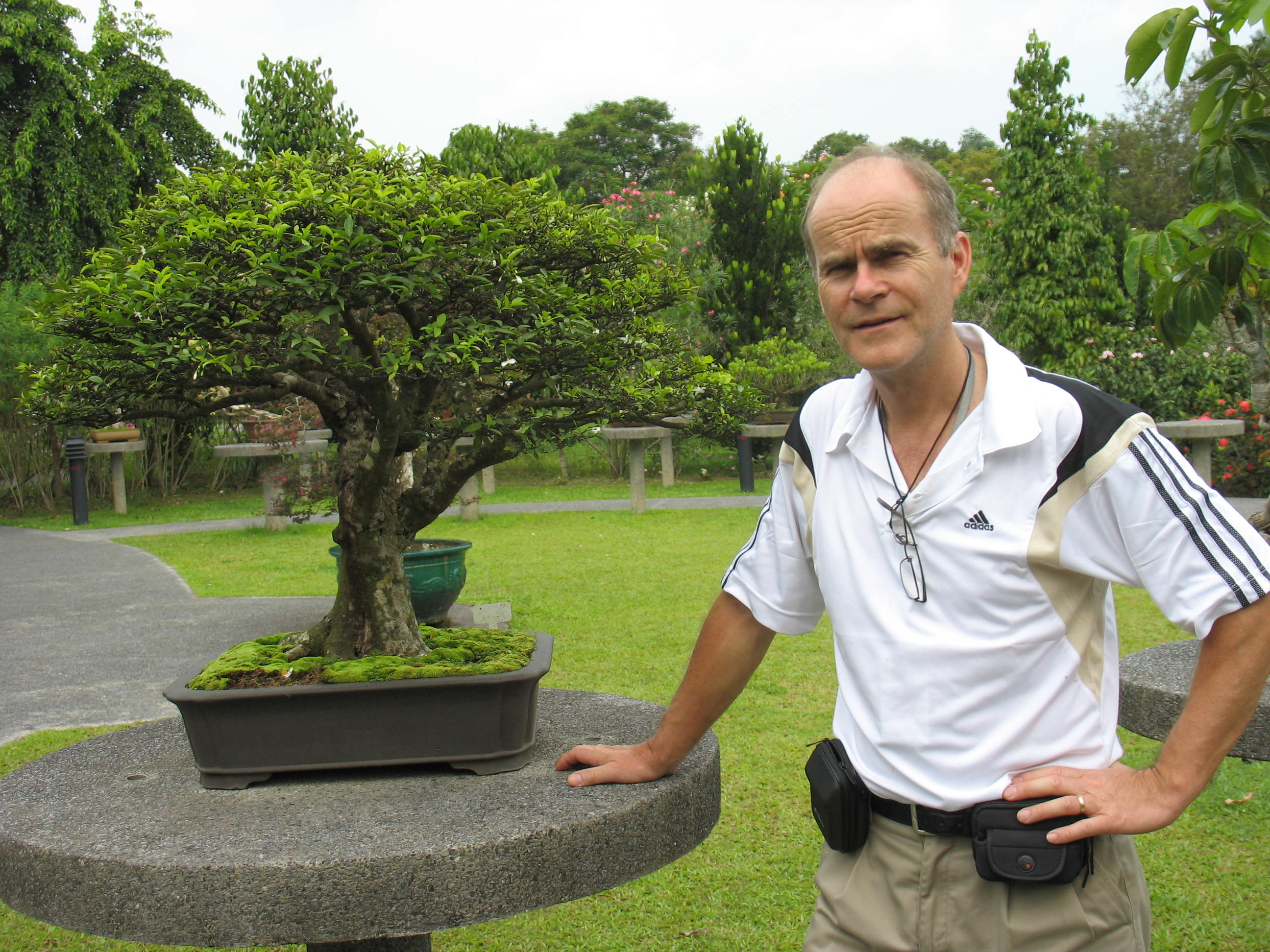
What you are seeing are pictures of the Botanical Gardens in Singapore, a huge park in the center of town, about five minutes from the top of Orchard Road, the Bloor Street of the city. Within the park is an outdoor concert pavilion which was setting up for a Chopin concert on the Sunday evening. Note that the concert shell looks a little like the top of a pitcher plant. Note too that while there are chairs for the musicians, the audience is invited to sit on the lawn and enjoy the beauty of the surroundings.
In addition there are sections of the park set aside for spice and herb plants, fruit trees, palms of various descriptions, banzai trees and orchids, for which Singapore is internationally famous. There are over a thousand species of orchids on display, many of the newer hybrids being cultivated right on the spot and named after various visiting dignitaries, like the Princess Diana orchid, all white of course, and the red and black Nelson Mandela orchid.
 Everything was laid out with such care that you couldn’t help feeling relaxed and at peace. The walkways were clean, the plants were well looked after, the staff were courteous. Even the food, normally a problem at such places, was excellent. Cities that makes such spaces for their citizens, that care about more than just the financial well being, but the social and emotional well being of its people, attract people and keep them happy. Singapore is fundamentally a happy place.
October 6, 2008
Posted by Steve and Pam Wise under
Family
1 Comment
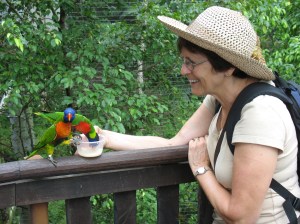
You can not live with someone as long as Pam and I have without sharing some fundamental pleasures in life. Kids, yes. God, yep, Him too. Love for travel; we both have that in spades. But there are many other things as well that we both enjoy doing, and one of them is looking at the beauty of God’s created world.
We had the great privilege of visiting the Jurong Bird Park in Singapore last week, and it was just amazing. There are over 9,000 birds in this park, many of them flying freely around large netted enclosures that cover about 50 acres of property in western Singapore.
This is Pam clearly enjoying feeding a pair of parakeets which were dazzling in their variety. We also saw larger parrots and macaws and hundreds of other species, including Malaysia’s famous hornbills. There were flamingos in every shade of pink (apparently that is from their diet) and penguins, both standing and swimming.
It was kid’s day at the park, but like everything Singaporean there were no line ups, bratty kids or litter. We spent the entire day, and it was well worth the visit.
October 5, 2008
Posted by Steve and Pam Wise under
Current News
Leave a Comment
There is a nice stretch of Lakeshore Boulevard in Toronto that I like to drive. It’s that stretch down by Ontario Place that skirts the lake – you know the stretch I mean. There’s about three city blocks without a traffic light, and if there’s not much traffic you can outpace the Gardiner beside it. Okay, now imagine that the city planners had the foresight and the know-how to engineer all the major thoroughfares in the city like that: minimal traffic lights, three lanes wide in both directions, lots of trees, pedestrian crossovers lined with flower boxes, so there is minimal stoppage in traffic. The whole city. What would that be like?
Well it would be like Singapore, without the pleasant climate and lush vegetation. This is the only city I know where you can drive on tree lined boulevards for hours with practically no stop to the traffic flow. Oh, I know the rap on Singapore, heard it lots of times by people who are either too far away to know, or too close not to be affected by envy. It’s draconian, it’s repressed, yada, yada. That’s a lot of hooey. People are not immigrating to Singapore from all over Asia because it’s repressed. Their moving there because it is a great place to live.
But it’s not really an Asian city, is it? The answer to that depends on how racist you are. No, it is not an Asian city if your ethnocentric bias insists that an Asian city must be poor, filty and backward in order to qualify. Singapore is none of the above. Instead it is intelligent, courteous, thoughtful, considerate, friendly, environmentally conscious and protective of its natural and human heritage. And yes, those are Asian values, and Singapore is a delightfully Asian city.
Lee Kwan Yew, who is the father of modern Singapore, started with a very simple idea. He decided to hire the best possible candidate for every position that needed to be filled, regardless of race, and pay them the highest possible wage so they would not be tempted by corruption. Singapore adopted a firm hand with criminals so that honest effort would be rewarded and criminals would move elsewhere. Forty years later and this city serves as a model of civic savvy.
I suppose I am a little envious myself of those who get to live there. But then, if we lived there, it wouldn’t be such a great place to get away to for a visit. Pam, the lucky thing, gets another week there without me, but I think she will be a little too busy for sightseeing. It is the week of the conference, starting today. We did actually manage to get a fair bit done in preparation while we were there this week, so I hoping it all goes well for her. For me, it is back to Macbeth and a stack of marking. I’ll try to get some pictures up over the course of the next few days.
« Previous Page
 Pam’s conference is over, and from the brief conversation I had with her it went extremely well. All the women who had registered were able to get their visas and the conference was a great encouragement to them. Just to be among others who were engaged in a similar ministry of outreach was affirming and positive. The speaker was excellent, and Pam’s efforts with organization were appreciated.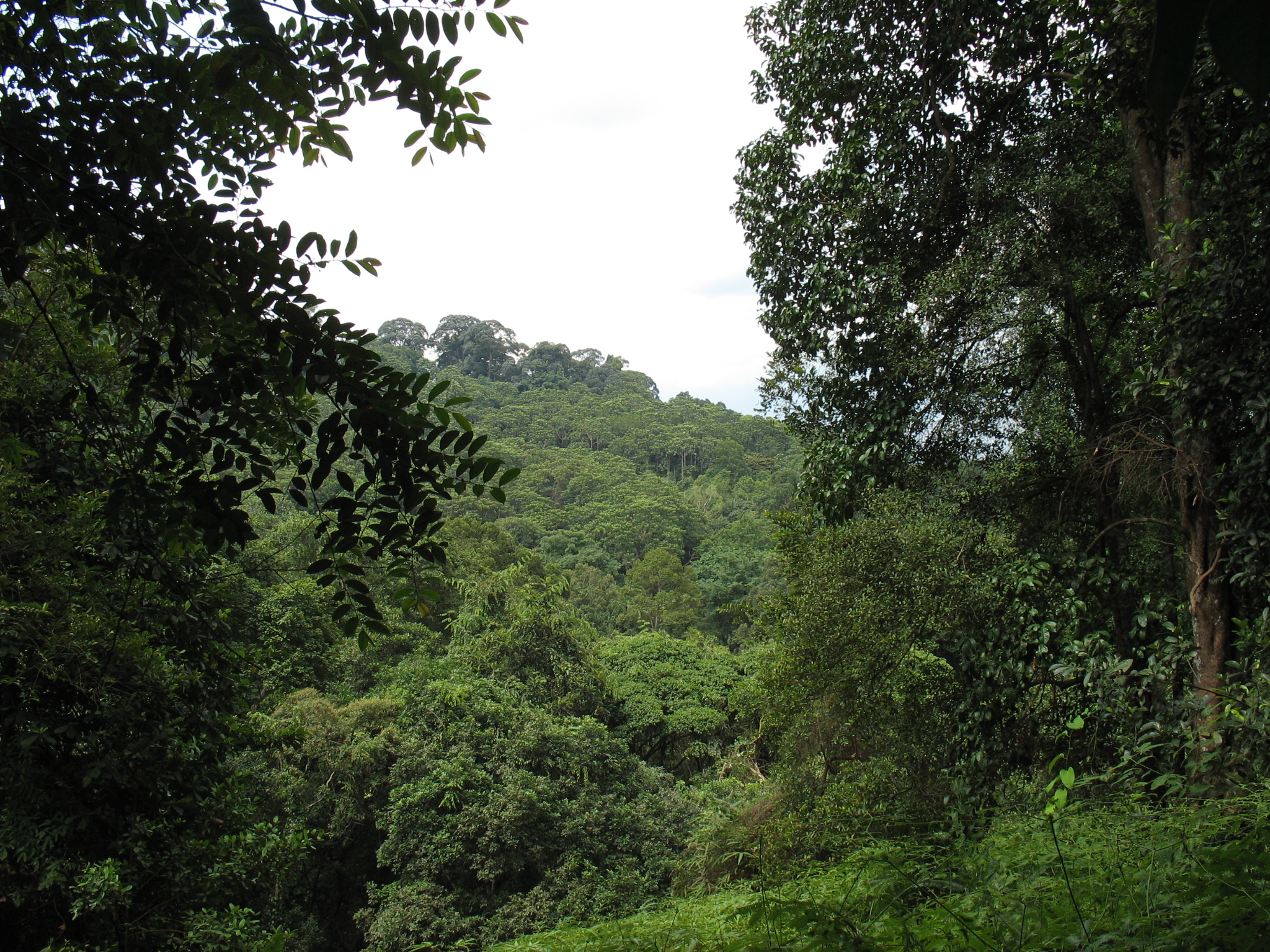


 Home Thoughts From Abroad