The end point of our trip was the little resort town of St. Ives where we intended to stay for a few days. It is often difficult to separate the myth from the reality in this country, but legend holds that Ives, an Irish princess converted from paganism by the spread of Christianity brought to Ireland by St. Patrick, sailed across the Irish Sea in a coracle and landed on the Cornish coast with the intention of evangelizing the pagan people. She was martyred for her faith in 450 AD and the village of St. Ives grew up around her shrine.
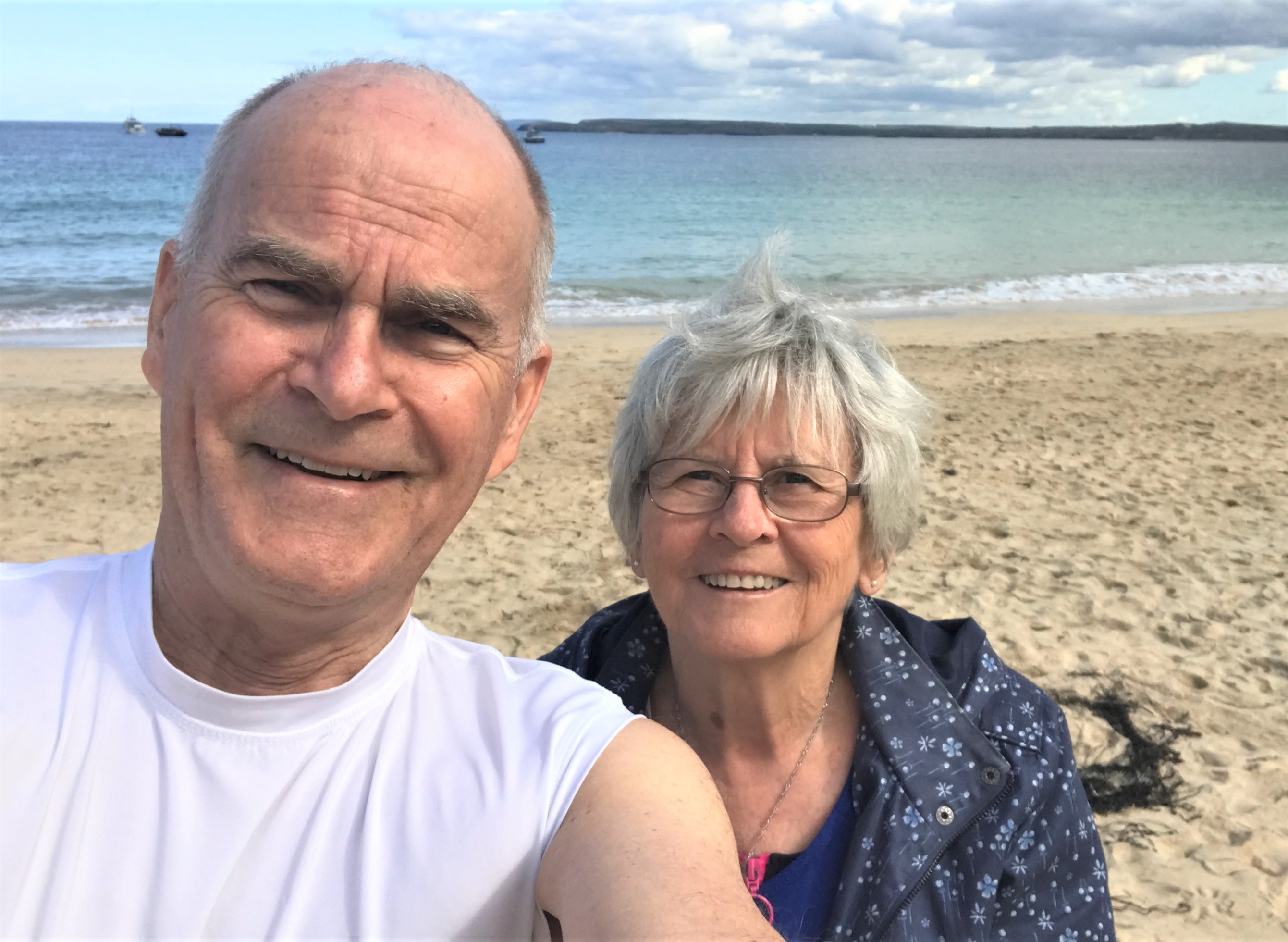
This fishing village has now become a resort, founded on its proximity to one of Britain’s rare sandy beaches, shallow for several hundred metres, that provides a relatively warm bathing spot for families and children. Although it was already late in the year we thought we might just have a go, but the bone numbing temperature was just too much for our Caribbean acclimated bodies, and we quickly retreated to our room.

We stayed up the hill from the village at the Treganna Castle, built in the 1700s on a design by the famous Georgian architect John Woods who also designed the Royal Crescent in Bath that we had seen earlier. Like many of historic British homes, the castle had been repurposed as a resort and we spent a very pleasant few days in one of their quieter garden rooms.

Our accommodation allowed us to make a short day trip to Land’s End, the furthest west you can travel in England. The facilities were closed that day, but there was nothing to prevent us from walking down to the sea where we spent a very pleasant hour watching the dolphins frolic in the bay below.
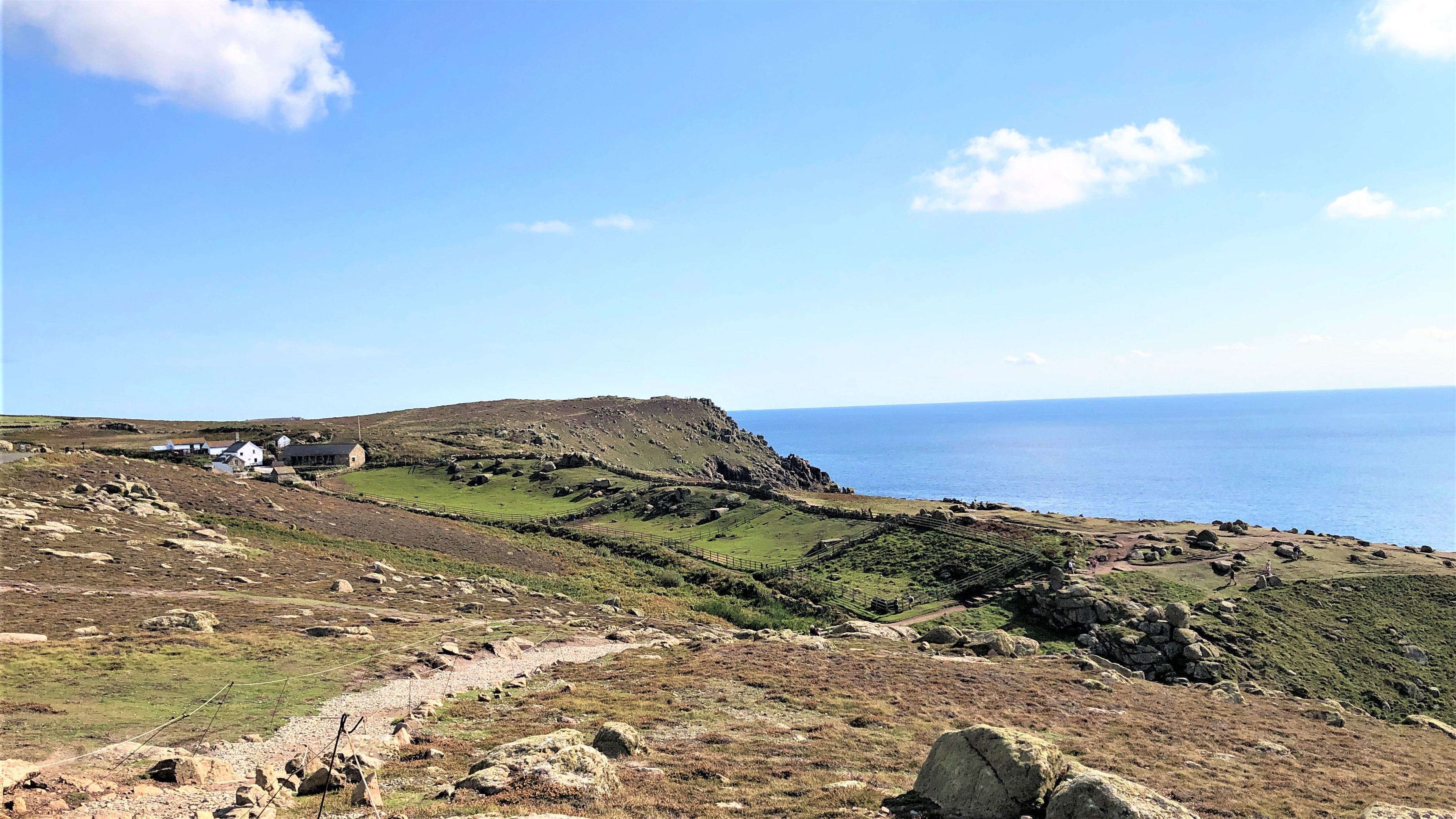
After a taking a short walk along the rugged Cornish coast, we then drove a little way down the road to the site of the Minack Theatre, an outdoor amphitheater located down a treacherous looking path that overlooks the sea. The theatre was also closed, but surrounding view gave us a desire to return and see a play there in such a stunning setting.

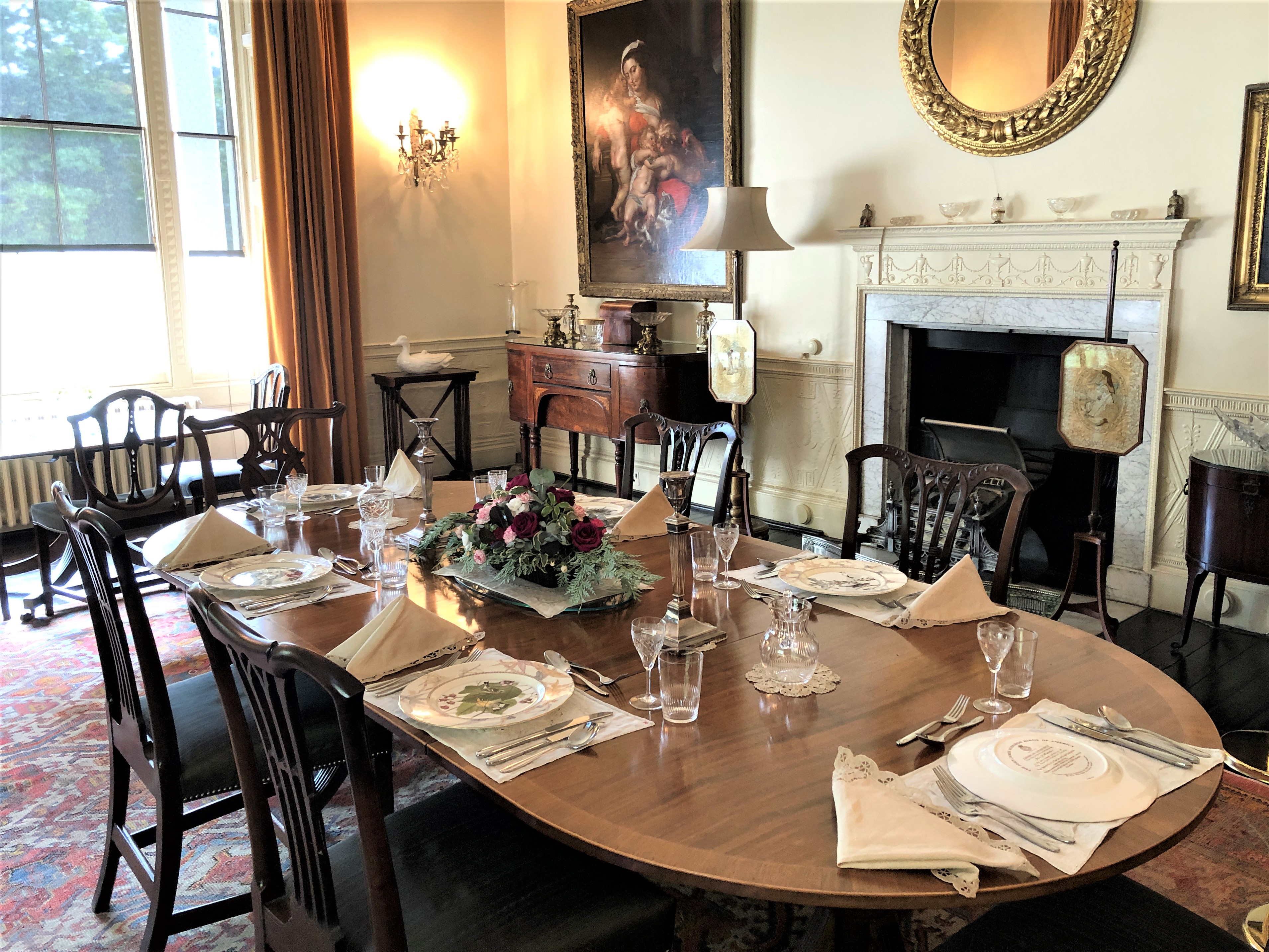
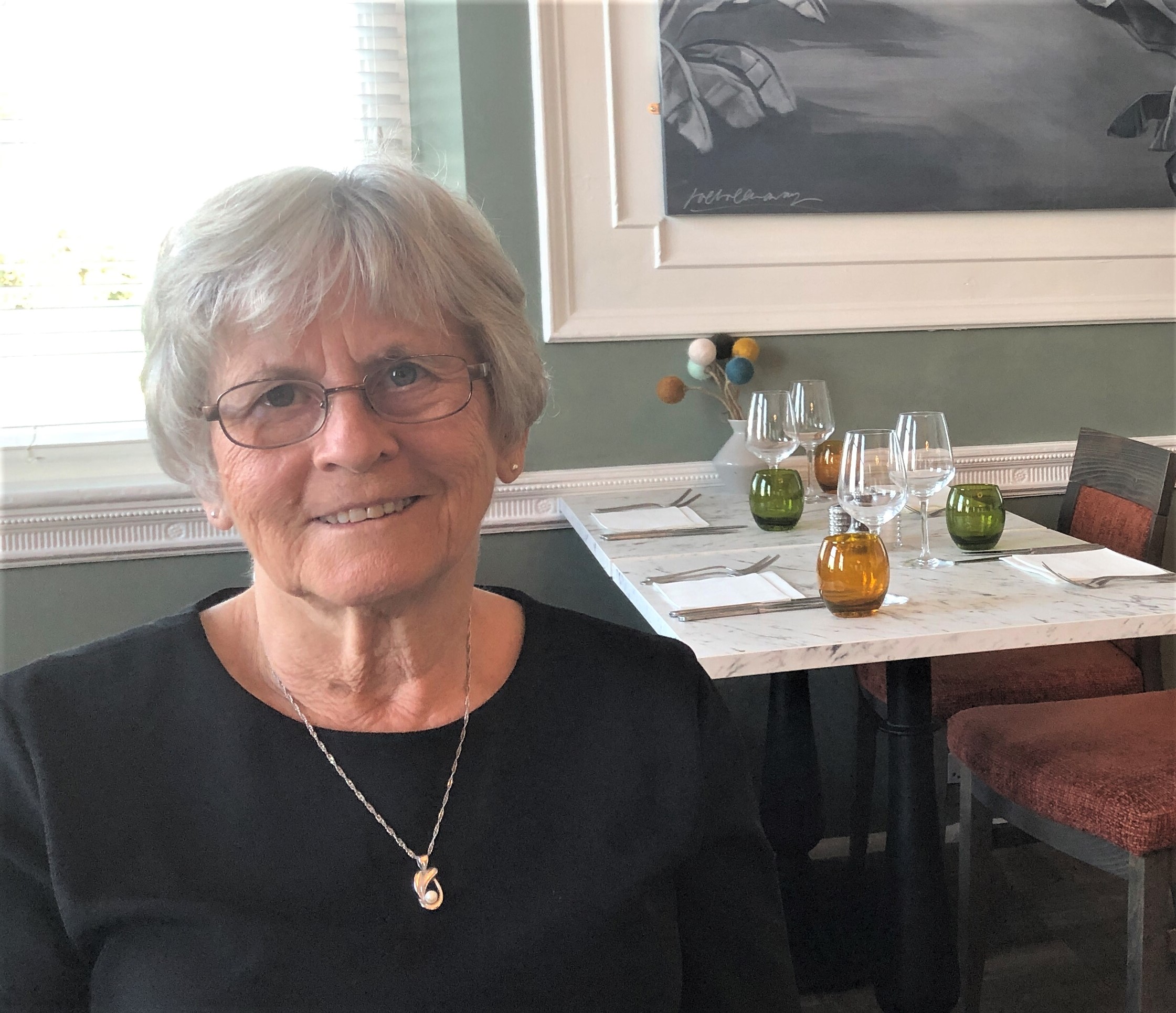
Returning to our hotel, we treated ourselves to formal dinner in the dining room at Treganna Castle. We often don’t indulge in such things, but every once in a while it is nice to dress us and dine at someplace nice. The evening was worth the cost.
September 2022
There are few writers that Pam and I both enjoy in common, but one of them is Agatha Christie. Once I had read all of Conan Doyle’s works as a teenager, I scouted around for another writer of detective fiction and landed on Christie. I have read nearly all her works and Pam and I both thoroughly enjoyed ITV’s Hercule Poirot series with David Suchet.

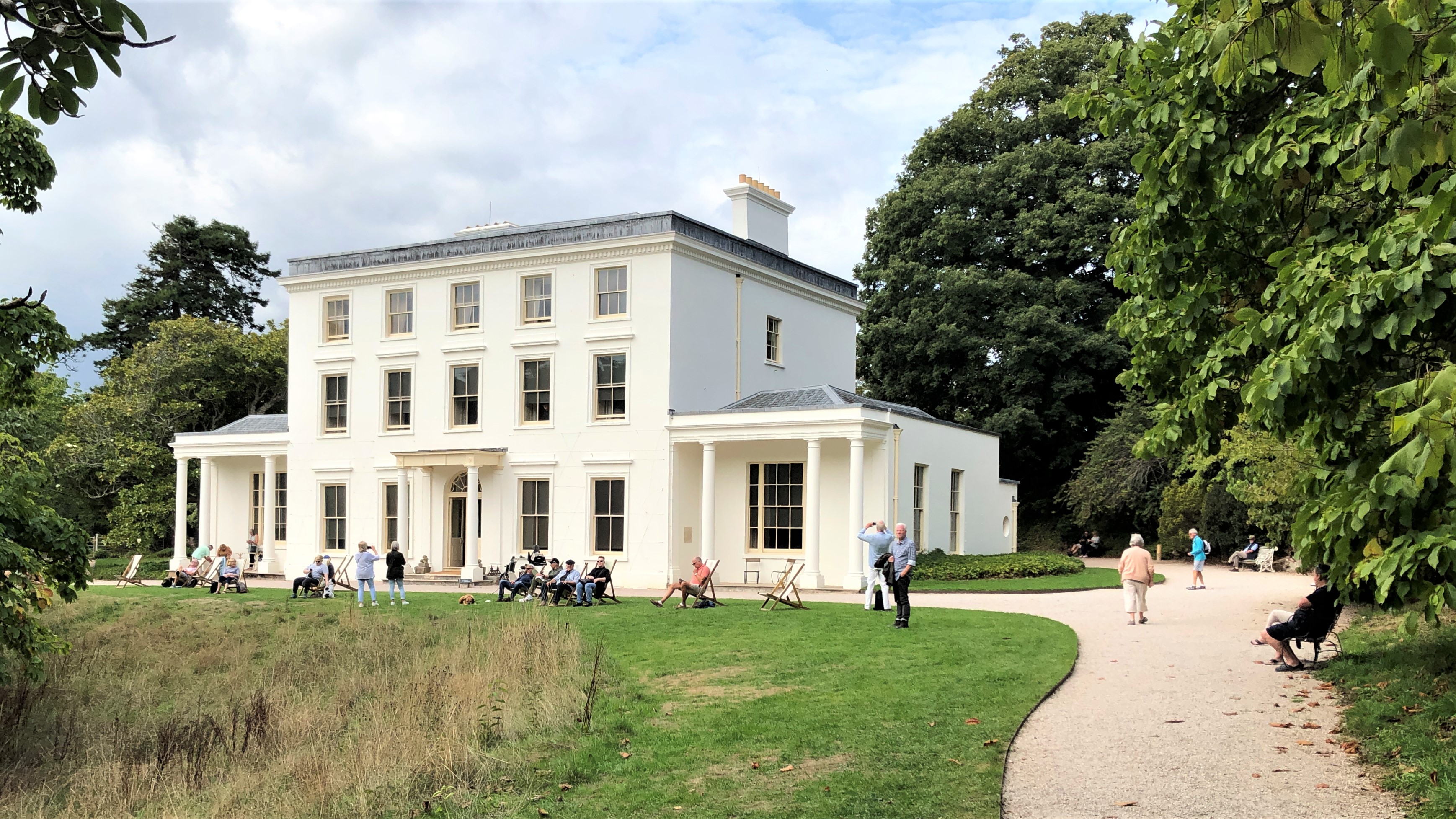
As we had to drive back through Devon to get home, we thought we would stop by Christie’s summer home at Greenway. Virtually inaccessible by road, Christie and her husband, archeologist Max Mallowan – Christie had divorced her first husband but kept his name – would sail up the Dart River to reach Greenway. That boat dock is featured in one of Christie’s novels, Dead Man’s Folly.

The home, like many of the historic places in Britain, was well preserved with spacious grounds that led down to the river along winding floral pathways. The boat dock that served as a gateway into the grounds from the river and was equally well laid out.

The rooms of their Georgian home were strewn with Christie memorabilia and artifacts. Decorated in the heavy Victorian style of the period, the place had a restful and most literary air, with bookshelves and quiet places to read and reflect throughout the home.

I was surprised to learn that despite the inviting introspective atmosphere of the house, Christie wrote nothing while she was at Greenway, wisely using the time there to get away from the stress of her craft and her rising popularity. Her second marriage proved enduring, and she and Max remained married until her death in 1976.

September 2022
The famous Glastonbury Festival, held every year in late June, typically attracts over 200,000 people. The festival is actually held in nearby Pilton, but Glastonbury has historic resonance in this country, and the festival has come to be known by that name.

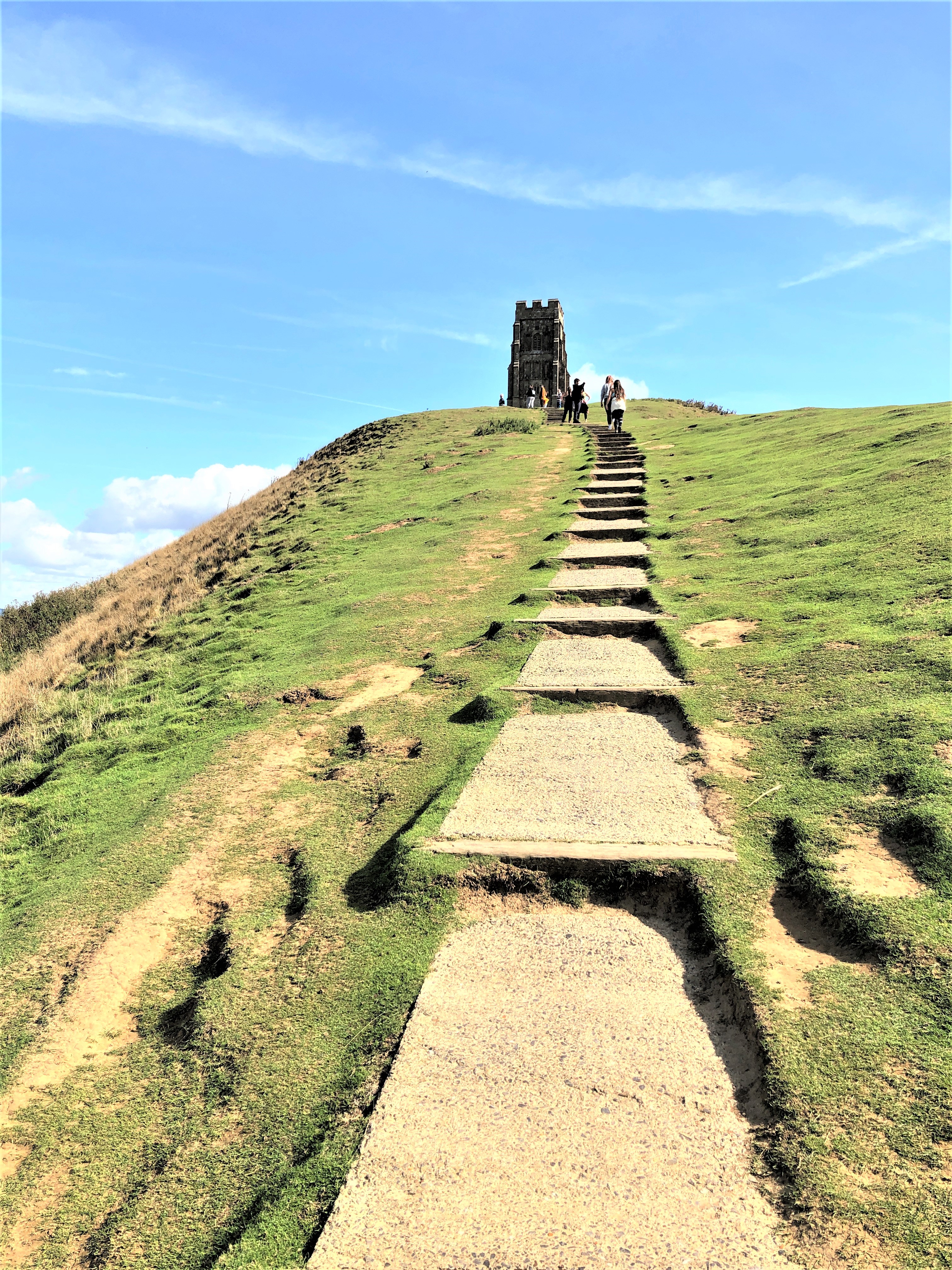
The area around Glastonbury shows evidence of human settlement as early as 4000 BC, making it one of the earliest settlements in Britain. The nearby Glastonbury Tor has been revered as the site of spiritual significance in Druid rituals since the Iron Age and is still used by modern Druids and New Age spiritualists as a place of celebration and worship. Legend places the Tor as central to the realm of King Arthur whose remains are claimed to be buried under the nearby Abbey, now fallen into ruin.

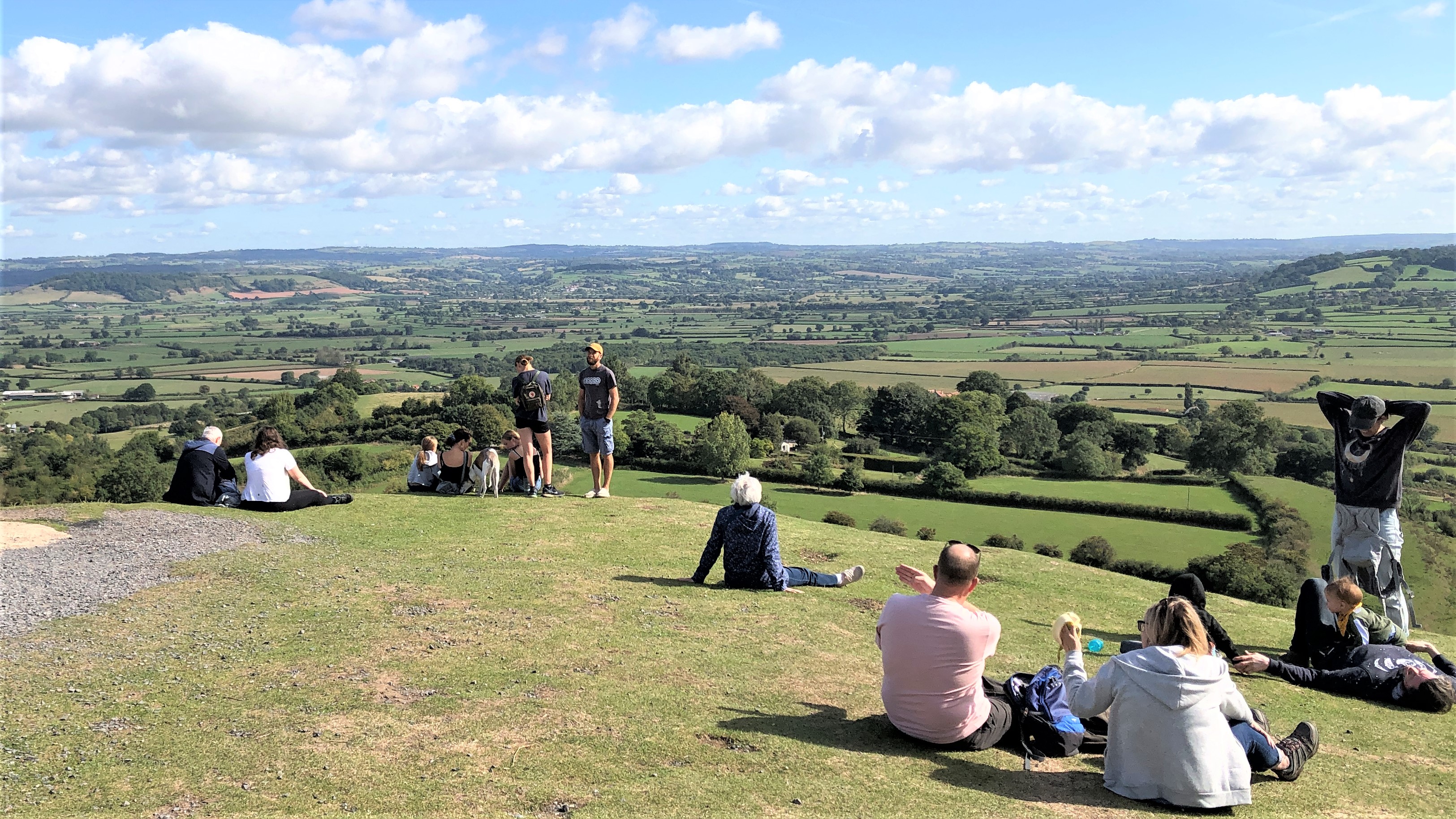
It was a stiff walk up the Tor in a brisk autumn breeze but the view at the top did not disappoint. If King Arthur has wanted a lookout for his kingdom, he could not have chosen a better spot. We were sorry we hadn’t brought a picnic, as many climbers had thought to do, but it was pleasant to rest in the sun at the top for a while and take in the view.

Afterwards we took a stroll through the ancient streets of Glastonbury itself. Glastonbury Abbey, built in the 600s, was once the most important and wealthiest in all of England, living testimony to the country-wide influence of this once thriving market town. Now the streets are lined with stores selling New Age paraphernalia and the smell of incense filled the streets.

Although such things are not exactly our cup of tea, it was pleasant to walk around in the sunshine among the crowds milling about the stores and cafes and interesting to see another part of Britain’s rich history.

September 2022
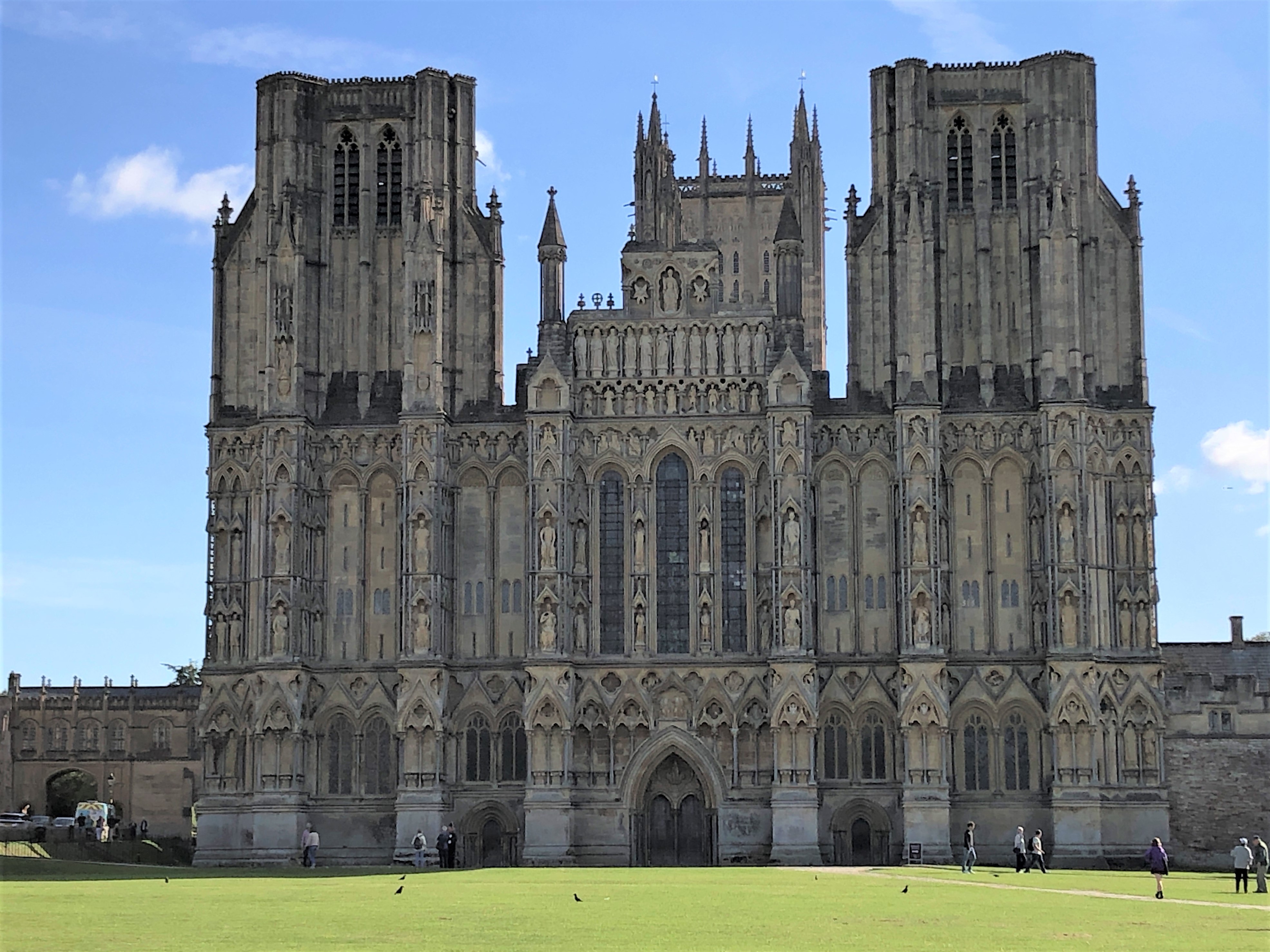
While chatting to some locals in Bath about their cathedral, a couple mentioned the cathedral in nearby Wells would be worth a visit. As Wells was on our way to Cornwall, we decided to stop for a bit a have a look. We were not disappointed.

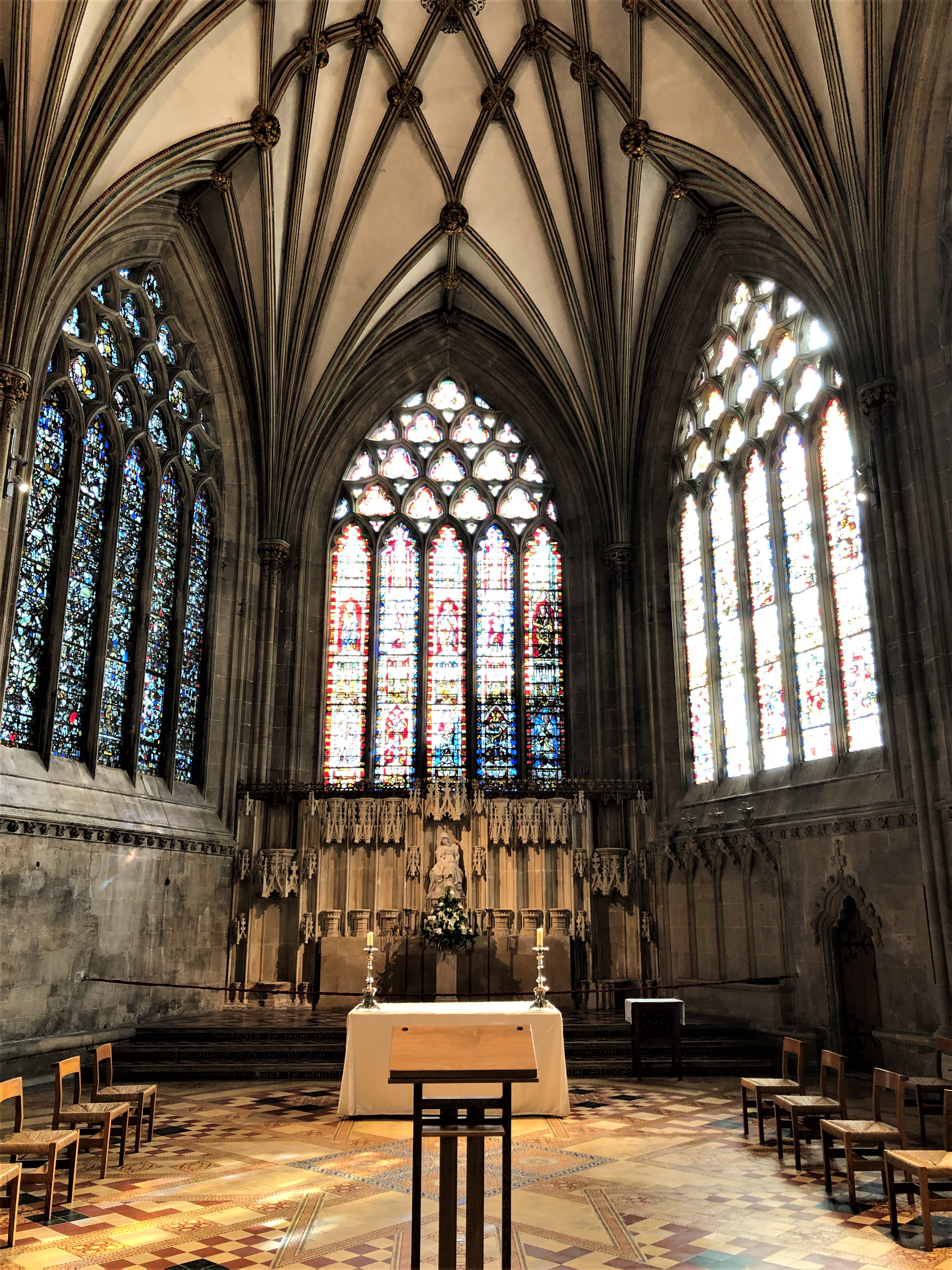
Construction on the cathedral began in 1175 and was largely completed by the early 1300s, although the striking scissor arches were not added until the middle of that century. Although the outside of the structure looks like a fairly standard Gothic cathedral, the interior was visually stunning, full of light and created a most elevated and reverential atmosphere.

The transepts and side chapels were also lovely with their ribbed vaulting and intricate stone carvings. Some of the stained glass windows were among the most beautiful we had ever seen. The grounds and gardens adjacent, including the well preserved Bishop’s Palace was also restful and serene. The entire grounds gave testimony to the faith of those who had created this place and the peace of God that remained on the place.

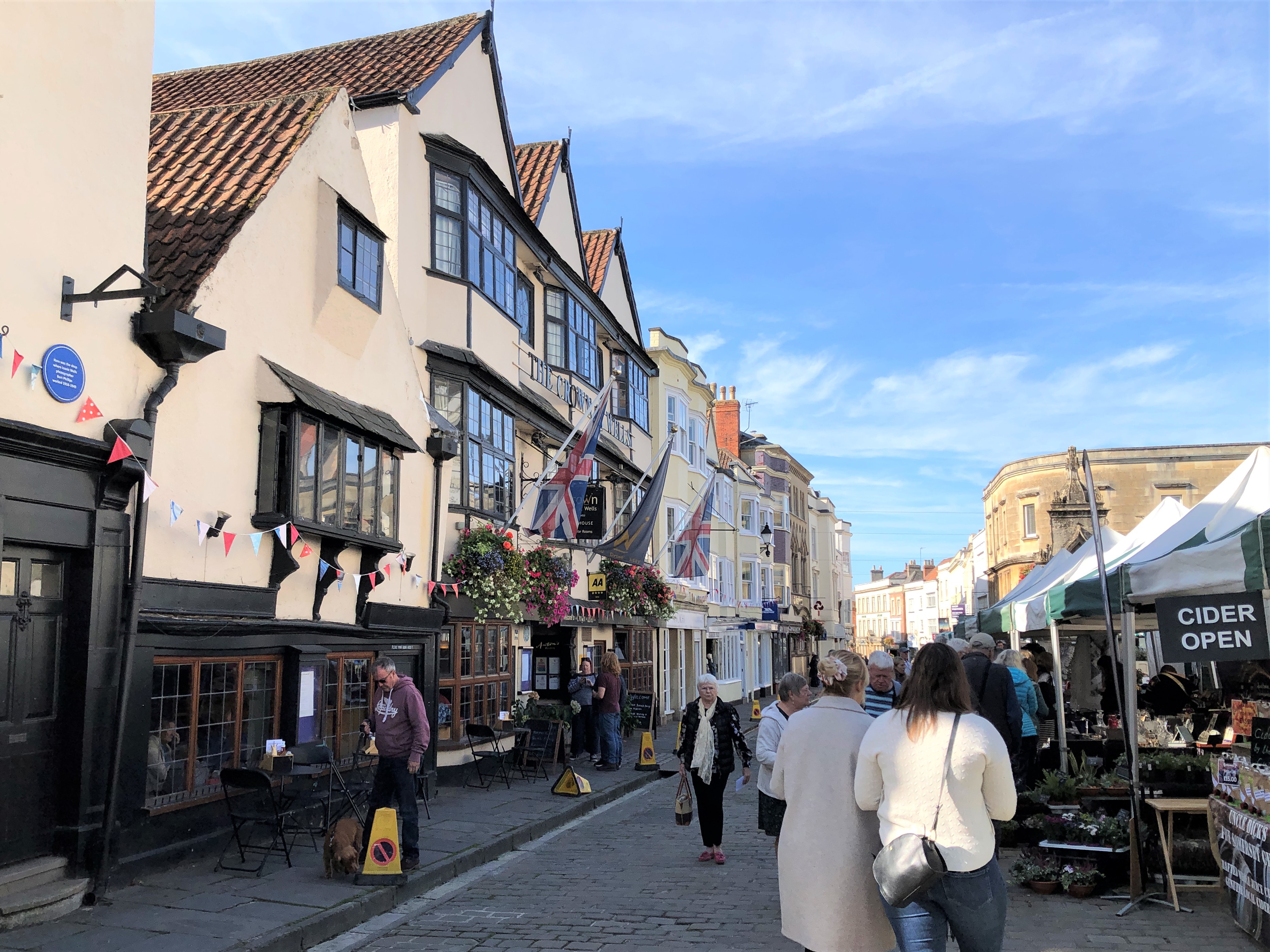
Needing a bite to eat we wandered into the nearby market and strolled among the stalls. Market day is one of those traditional European features that we seem to have lost in North America. We didn’t buy anything among the many stall offering their wares, although Pam couldn’t resist trying on a very British hat.

On our way back to our car we passed by Vicar’s Close, which has the distinction of being the oldest continuously inhabited residential street in England. Built in 1350, it originally housed the Vicar’s Choral, who responsible for singing daily services at the cathedral. It remains in remarkable good condition and still fully occupied. Parking was not an option.

September 2022

There is a running joke in our office that the nearby town of Guildford is the center of the universe, or at least of England. It seems that every time we get into a conversation about almost any subject, eventually there will be some connection to Guildford. So when Liz, a friend from our home church in Canada came to visit us, it was no surprise that she should want to go and see where she grew up, in of course Guildford.

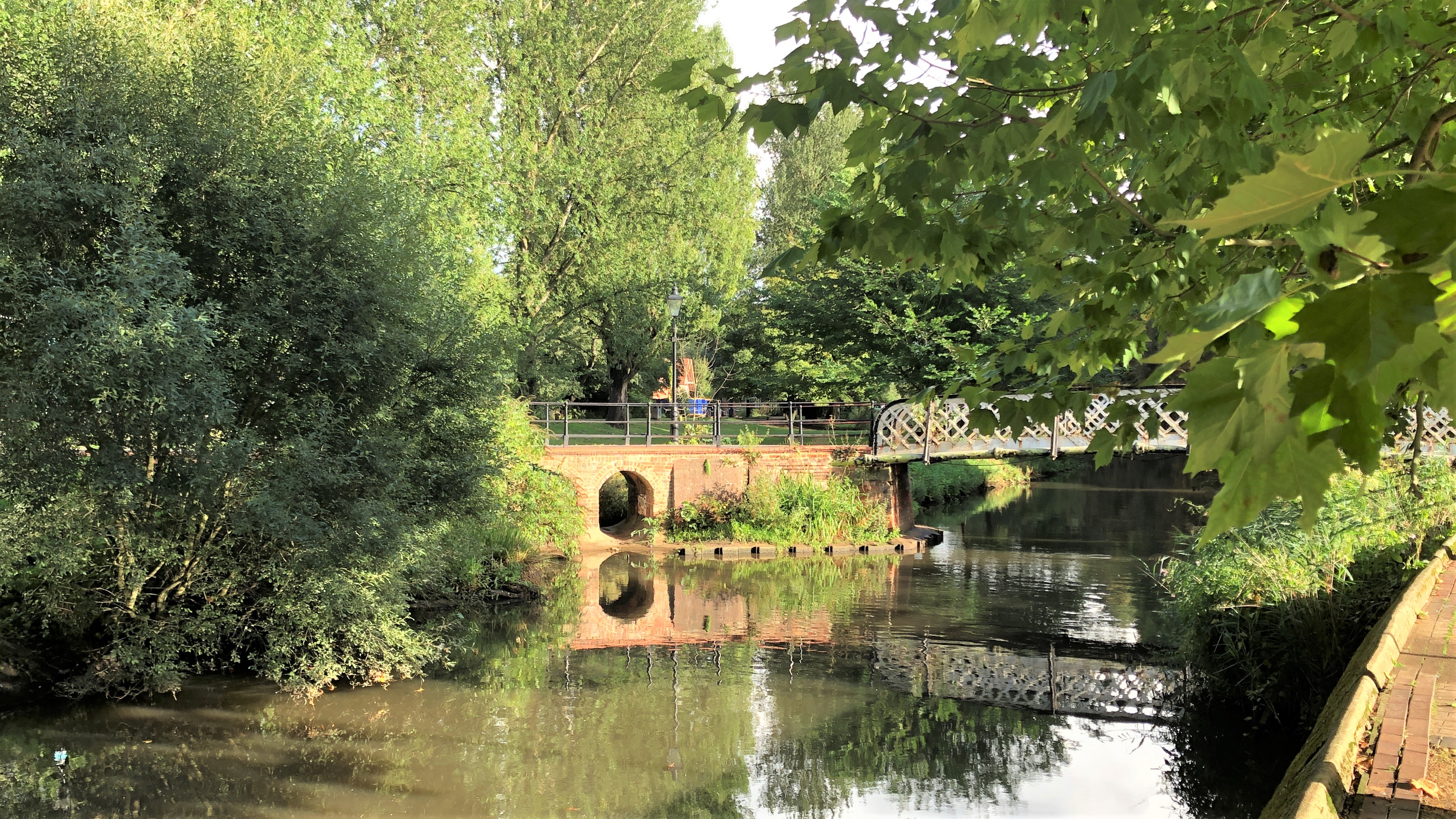
Liz and Gary were good friends at our home church and we were delighted to have company from there. So after a little tour of Horsham, where Liz had gone to school at one time, we set off in our little Fiesta for Guildford, parking at the Yvonne Arnaud Theatre down by the Wey River, still graced by the locks and watermills that made it one of the first navigable rivers in Britain.

From there we walked to the grounds of Guildford Castle, built by William the Conqueror and once used by Henry III as a royal residence. Only the castle keep remains, and the grounds became public property in 1888 to mark Queen Victoria’s Golden Jubilee. The city does an excellent job with the lawns and gardens around the keep and it was a most pleasant walk through to the High Street.

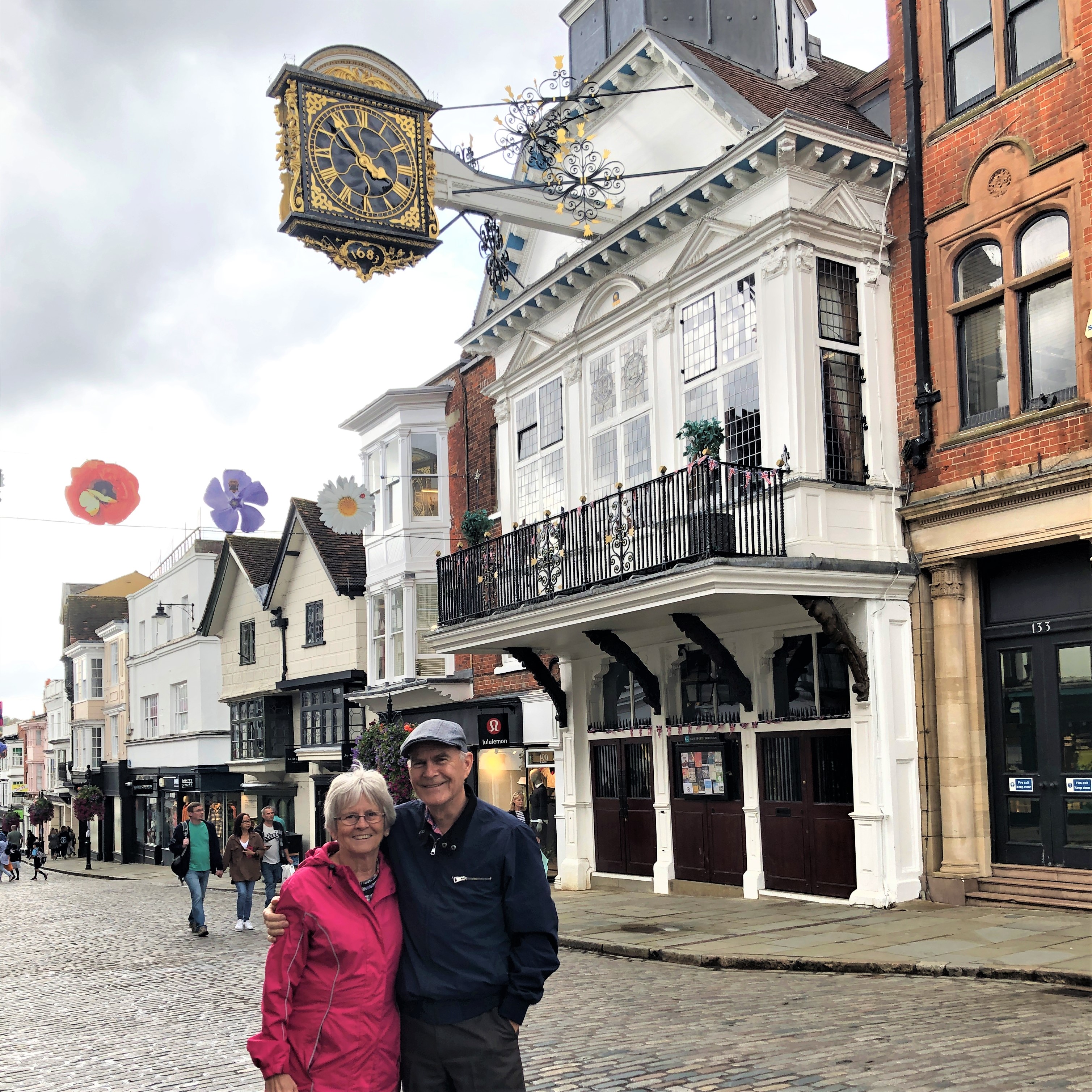
Guildford High Street was most picturesque. The High Street itself predates the Norman Conquest and can be traced back to Saxon times. The prominent Guildhall Clock, with its gold leaf face, dates from the 1683. There was a newer mall downtown along with the older and more interesting shops and after a good look around we settled for lunch in a little cul-de-sac.

Wanting to check out the home of Lewis Caroll, we circled back through the castle grounds and made the hike up the hill to Caroll’s residence, “The Chestnuts.” Caroll, aka Rev. Charles Lutwidge Dodgson, was a professor of mathematics at Oxford and initially rented the property for his sisters. In later years Caroll retired to this residence and died there in 1898.

Long a fan of Caroll’s Alice in Wonderland tales, I was eager to see his residence and poke through his memorabilia. Unfortunately, the home was closed for upkeep and repairs, so we opted for a walk along the Wey River instead. Since it had begun to rain, we thought it best to head back to the theatre for cup of tea before we drove back to Horsham. Another lovely day in one of the charming towns and villages of England.

September 2022

Pam has six brothers. Most of them live in Southwestern Ontario, and most of them have never left, except on vacation, and then usually someplace close by. But two of her brothers, Russ and Gregg, have been a little more adventurous and now live in British Columbia.

Gregg left Ontario years ago and for a long while worked as a chef in a high-profile restaurant in Vancouver. Getting tired of the stress and constant demands of that position, he took up driving a fork lift in a warehouse. Vancouver is Canada’s largest western port, and Gregg was never without work. The job had decent benefits, including a pension, that allows him to live pretty comfortably in one of Canada’s most expensive cities.

Along the way Gregg met and settled into a relationship that produced a boy, Tyler, that Gregg has raised more or less on his own. The two of them have had a close relationship over the years and Tyler often drops by to check on his dad and make sure he is alright.

Gregg also has an abiding love of motorcycles, especially his ’73 MotoGuzzi on which he spends hours and money getting custom machined parts for his hard to service bike. Steve and Gregg had some lengthy chats about all thing mechanical, including his dad’s Norton, that was UK government issue in WW2.

The three of us then took the ferry across the strait between the mainland and Vancouver Island, which remains for us one of the best ferry rides in the world even after all the sailings we have been on in our long wanderings. The ferry has to turn and weave through the Gulf Islands, offering new views at every turn. The day was gusty and cold, and we could still see some snow on the mountains on the American side of the strait, but it was a wonderfully smooth sailing with calm seas. Unfortunately, no dolphins or whales were sighted on this passage.

Russ now lives just outside Victoria and has had quite a few problems with his health of late. He was delighted to see us, as not many of Pam’s brothers are inclined to travel that far away from Ontario. Russ has had a very checkered employment career, ranging from restaurant management to working for the BC government promoting sports activities. He has always had a gift for building relationships and promoting new ideas. In later years, he studied Facilities Management and eventually established his own property management company.

Unfortunately, a couple of years ago he developed cancer. The surgery and chemotherapy at the height of the Covid pandemic took their toll on his health and led to his decision to retire. His life is pretty quiet now, but he has a lovely little place on the island and we all enjoyed many hours visiting over countless games of euchre.

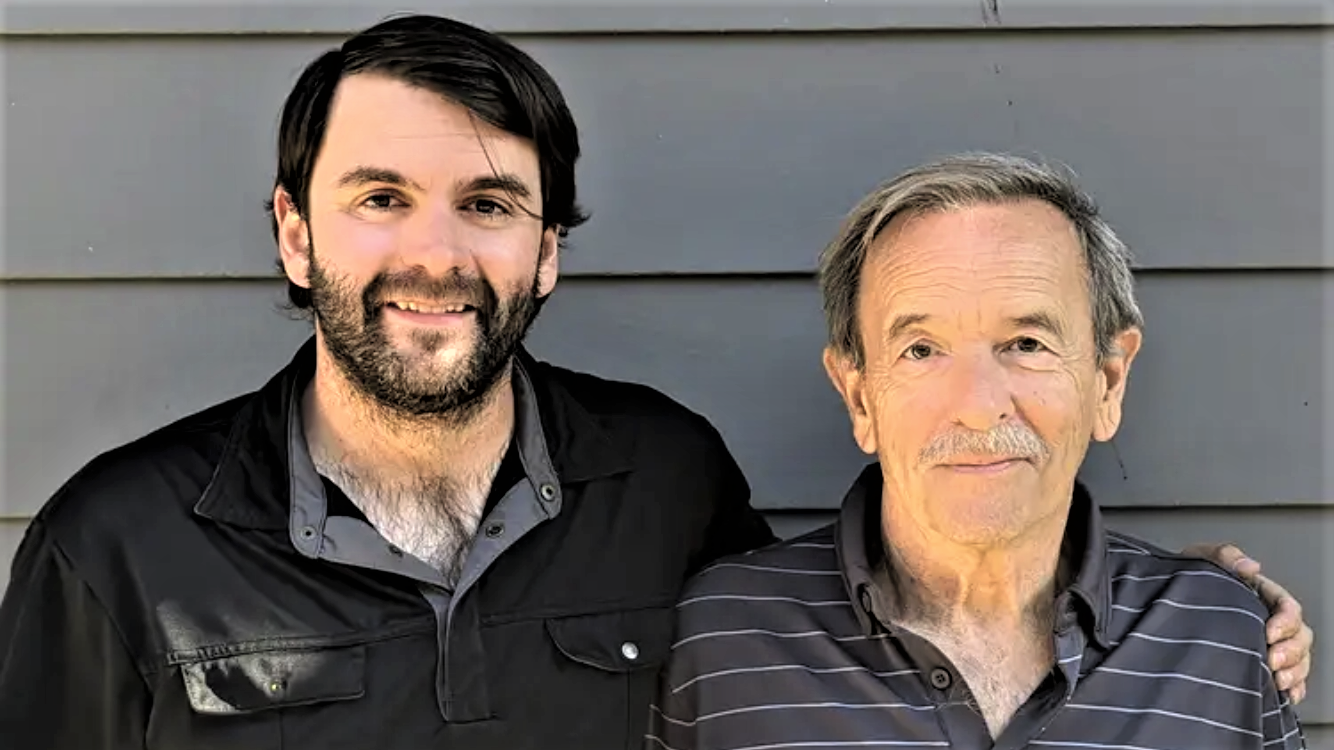
As you can tell from her smile, Pam was delighted to see her brothers again after such a long absence. We are both hoping that our new positions in the UK will allow us to make this trip out west to see family more often. All of us are getting older and the time spent together this year, although long overdue, was particularly sweet and meaningful.

July 2022
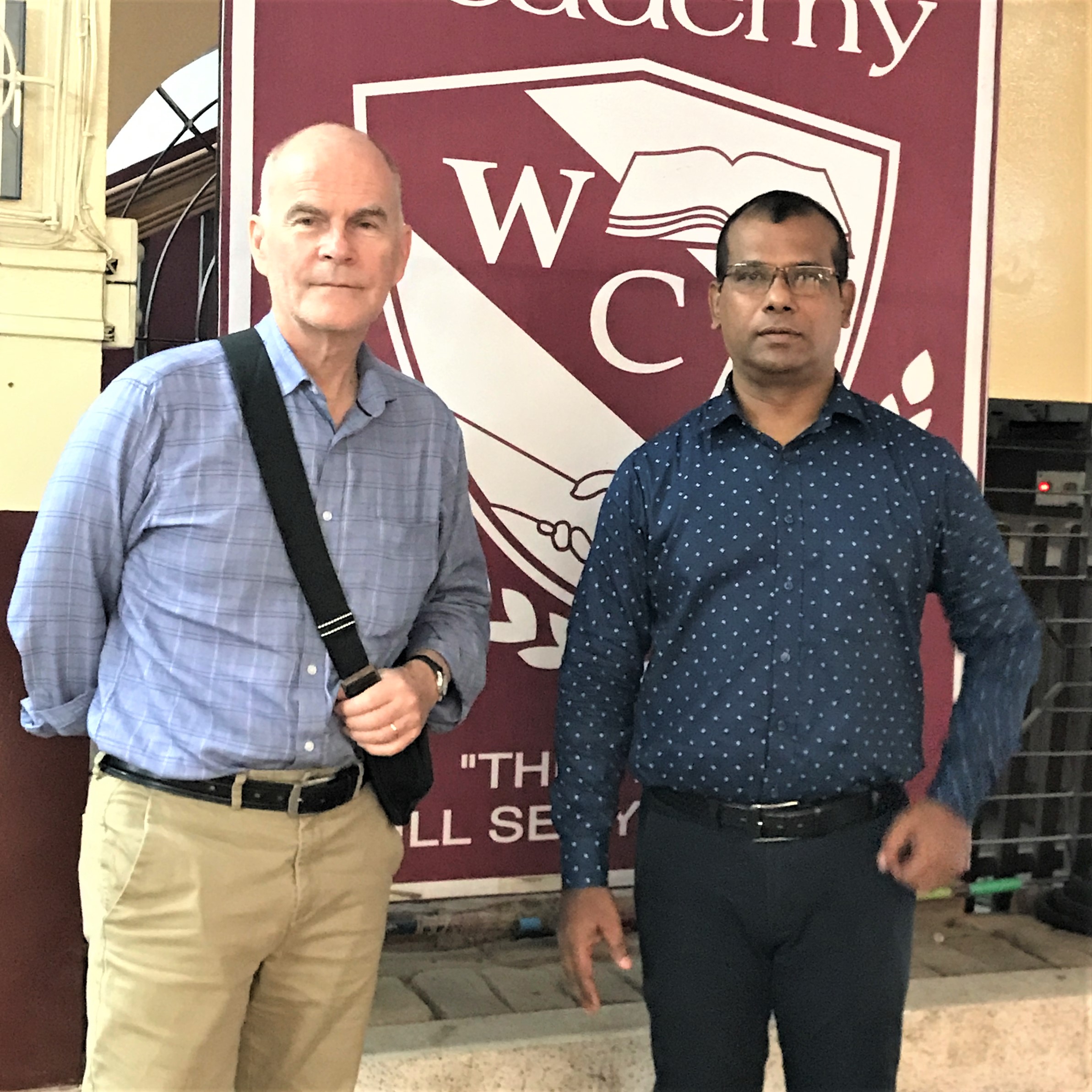
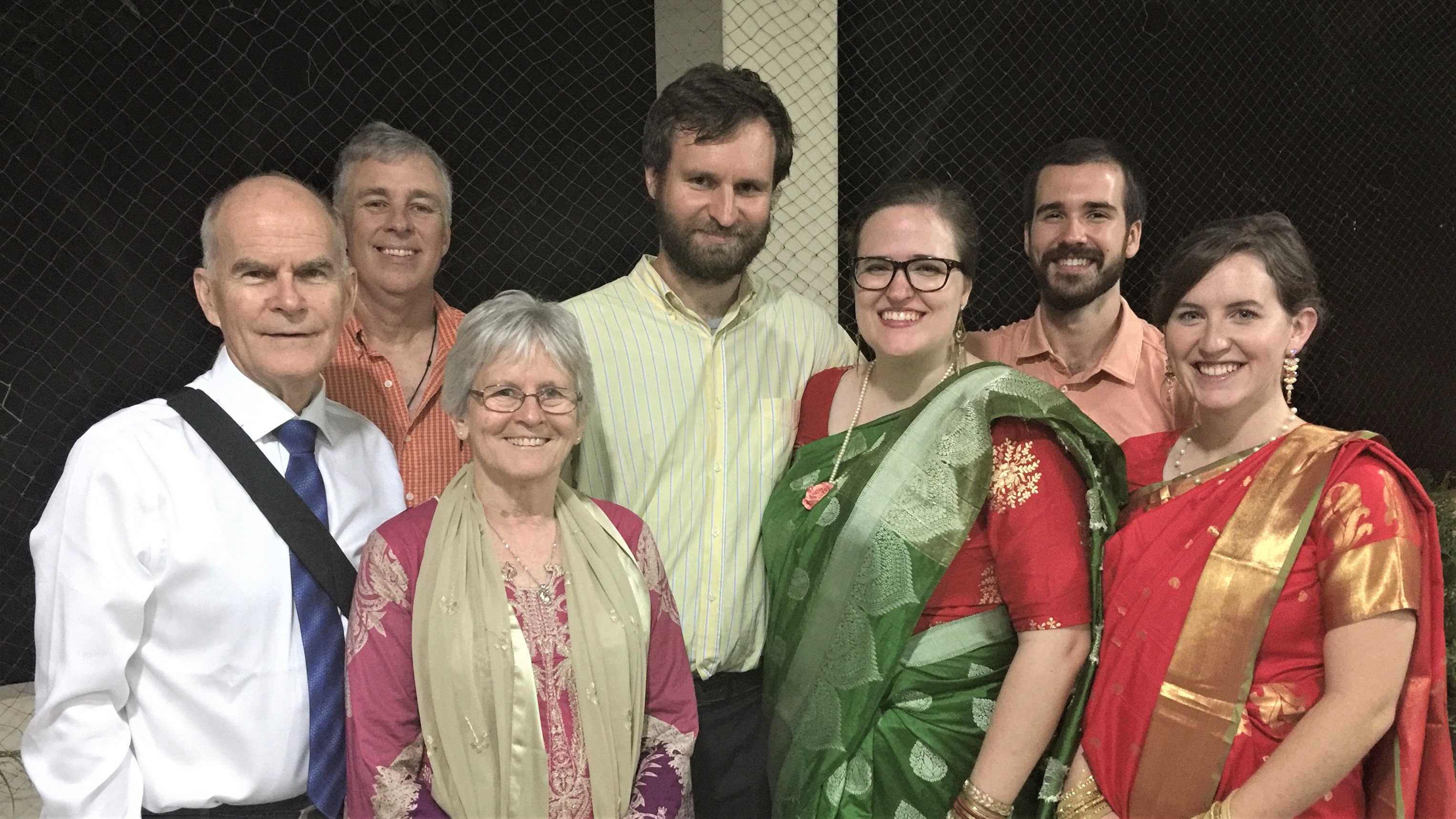
One of our first tasks in coming into this new position with Teach Beyond was to hire a new national director. The Lord’s choice was obvious to us, even if it wasn’t to others. Shankar Shikdar and his wife Lusia had served the Lord faithfully and well their entire lives. He had come to Christ through ABWE’s work in Malumghat and her father was a lifelong educator.

As National Director we are hoping that Shankar will be able to expand our mission’s vision beyond William Carey Academy to other projects. We had heard that there were a couple worth investigating both in Dhaka and outside the city, so we took a flight to Dhaka and booked into the ABWE Guesthouse there.

During our time in Bangladesh, Dhaka was already 7 or 8 million people, and its infrastructure was groaning under the burden. Now at over 25 million it is in accelerating collapse with broken roadways and crumbling building.  The roads were so congested that it took most of two hours to make the two-mile journey from the airport to the guesthouse. We walked to a local restaurant for a meal and returned to the guesthouse without exploring the dark streets nearby.

The following day we took a longish drive to see a school in the area that wished to partner with our mission. The son of the school’s director was an associate of our mission and had recommended the school to us, so we judged it to be worth a look. It was not. The school was poorly attended and managed and showed signs of more than financial neglect. As charming as the few children still attending were, there was something clearly amiss in the school.

A visit to a nearby campus of a local AoG work was equally disappointing. The campus had a vast complex of buildings that could easily teach and house hundreds of students, yet there was only a small scattering of local children in a few ESL classes. The situation seemed puzzling to us, but as Shankar explained, AoG has soiled its own reputation in the country through endemic corruption and sexual abuse of its staff and students and locals would no longer allow their children to attend. What a waste of millions of dollars of the Lord’s money!

A visit to a computer training center in Dhaka the following day was a little more encouraging. Crammed into a space down a little side alley, the Christian entrepreneur there had managed to leverage his own technological expertise into a Christian outreach to young people eager to improve their computer literacy. Here was a project that we definitively could and should help.

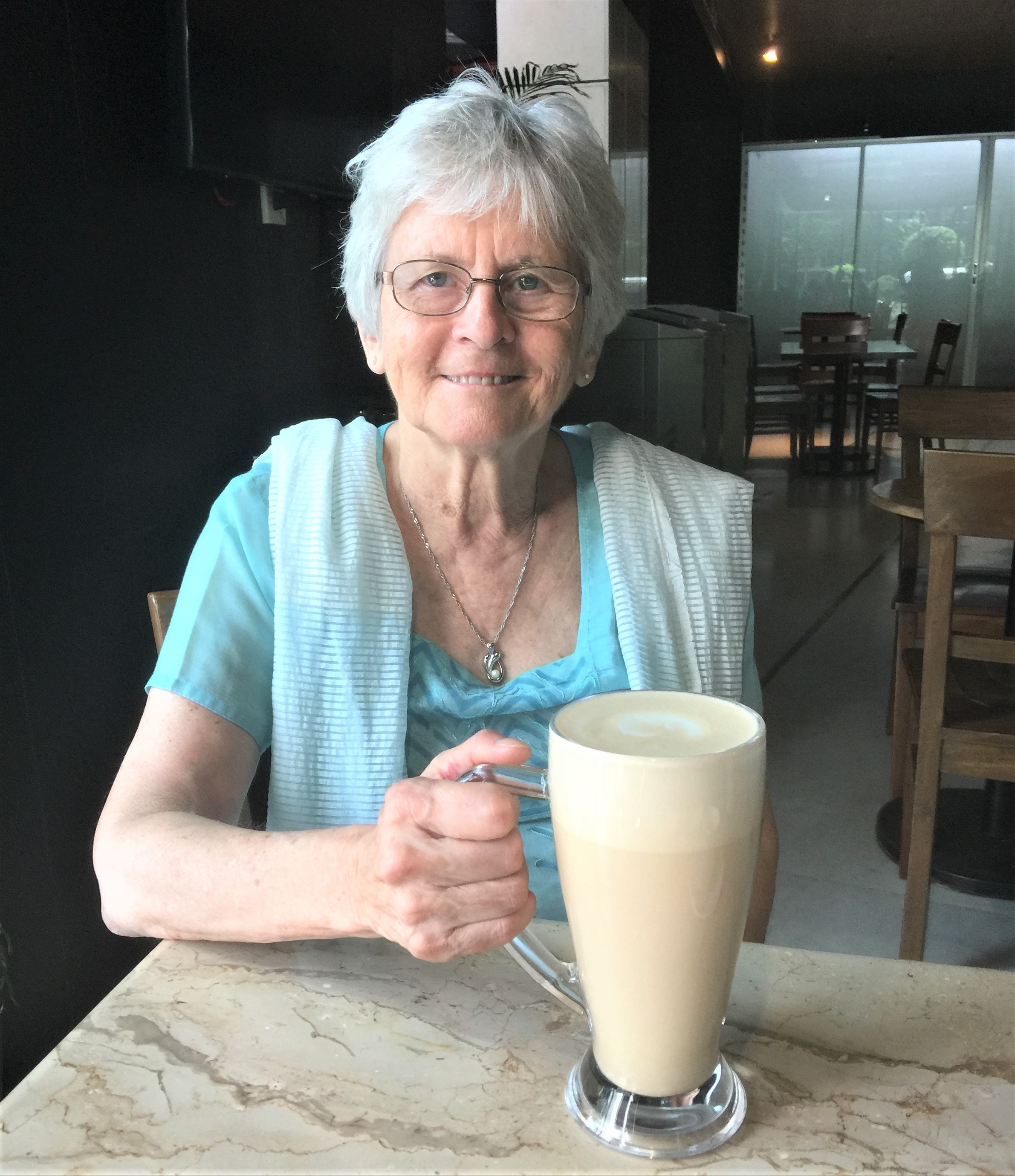
We also visited a coffee shop started by a Bangladeshi Christian that was a great example of the ‘business as missions’ model that can be used effectively in countries like this that restrict Christian evangelism. The coffee shop was located in the diplomatic part of Dhaka which was the only part of town that actually functioned well. It was nice to get a decent latte.

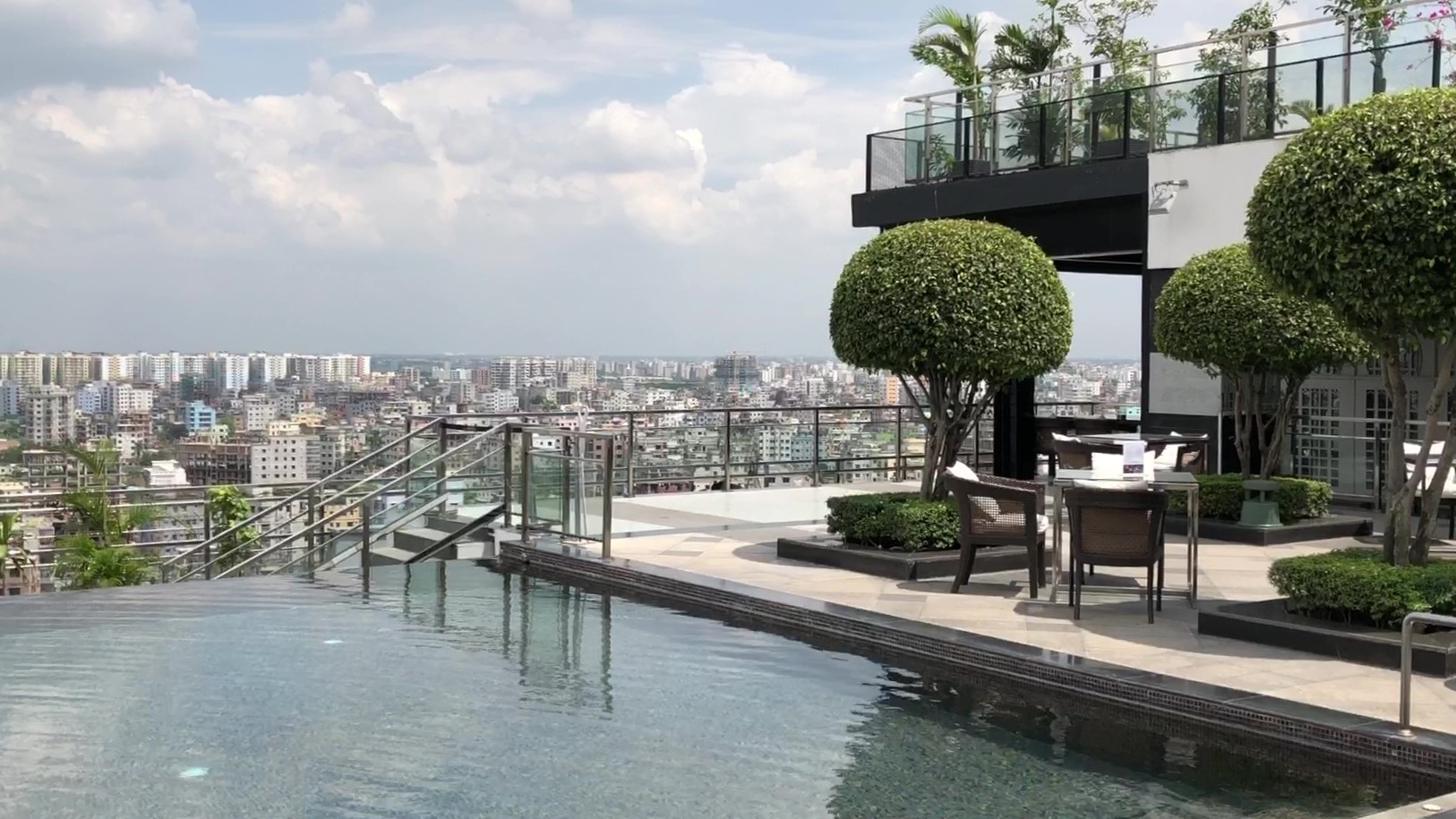
The following day we flew out of Dhaka back to England. Recognizing that the two hour trip to the airport could well take three or four, we had the driver drop us off at the Marriot Hotel, a mere half mile from the airport. For the cost of light lunch and a few coffees we spent a pleasant afternoon on the hotel terrace catching up our emails away from the bustle and noise below. It was a nice respite from an arduous trip.

August 2022
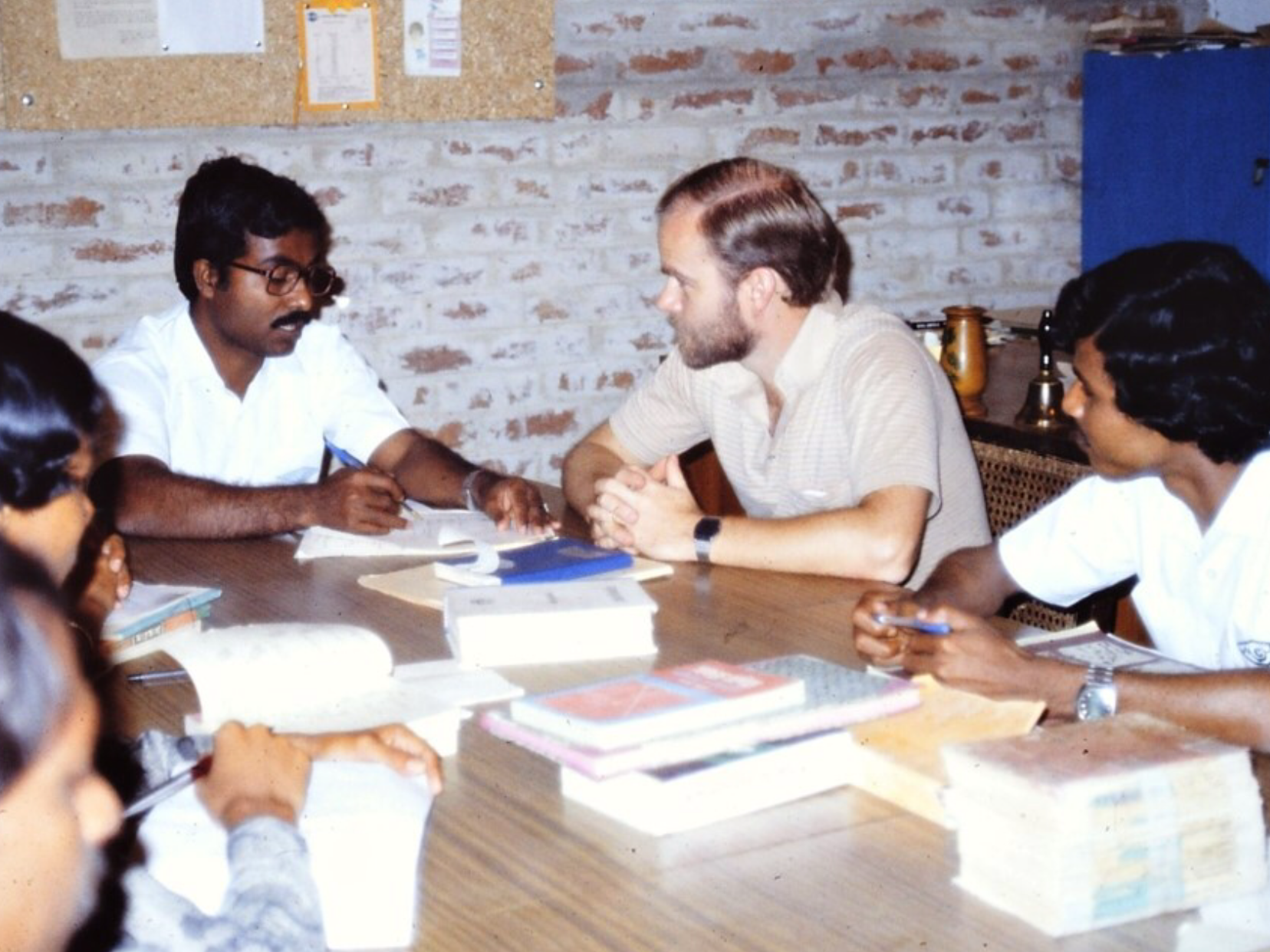
Many years ago, when we served with ABWE in Bangladesh, I was drawn to the national school on the hospital compound run by Manik Roy, a devout and intelligent Christian, who had a vision for leading the sons and daughters of the hospital workers to Christ through education.

We developed a friendship, and I asked him one day if I might teach at the school to see how the students there learned. The experience was life-changing for me. I saw a form of education that I had no knowledge of except in textbooks. And I felt a response to my own teaching that was both gratifying and deeply humbling.

Here were students who had quite literally nothing but the shirts on their backs and the meager notebooks in their hands, overjoyed at the prospect of learning whatever it was I was willing to teach them. Did I say overjoyed? I meant desperate. As desperate as parched soil needs rain. Their desperation was driven by the understanding that it was only through education that they would ever escape the poverty in which they and their families were bound.

From that tiny seed of a day, I began to dream of returning to Bangladesh. Not for a year, but for a lifetime. I began to talk about it with others and think through its implications. When I had it all thought through, I approached the field council and asked for permission to present a proposal. If they would designate the national school as a legitimate area of missionary service, I would return to Bangladesh fulltime to lead that area of ministry.

I was sure that of course the field council would accept my proposal. It just made so much sense. Here was a mission field ripe for the harvest. Of course they would want me to come back and head that up. So when the chairman of the field council came over to our house to say that the field council had rejected my proposal, I could not process what he was saying. “We are not an educational mission,” he said. “We are a medical mission.” And that was that.

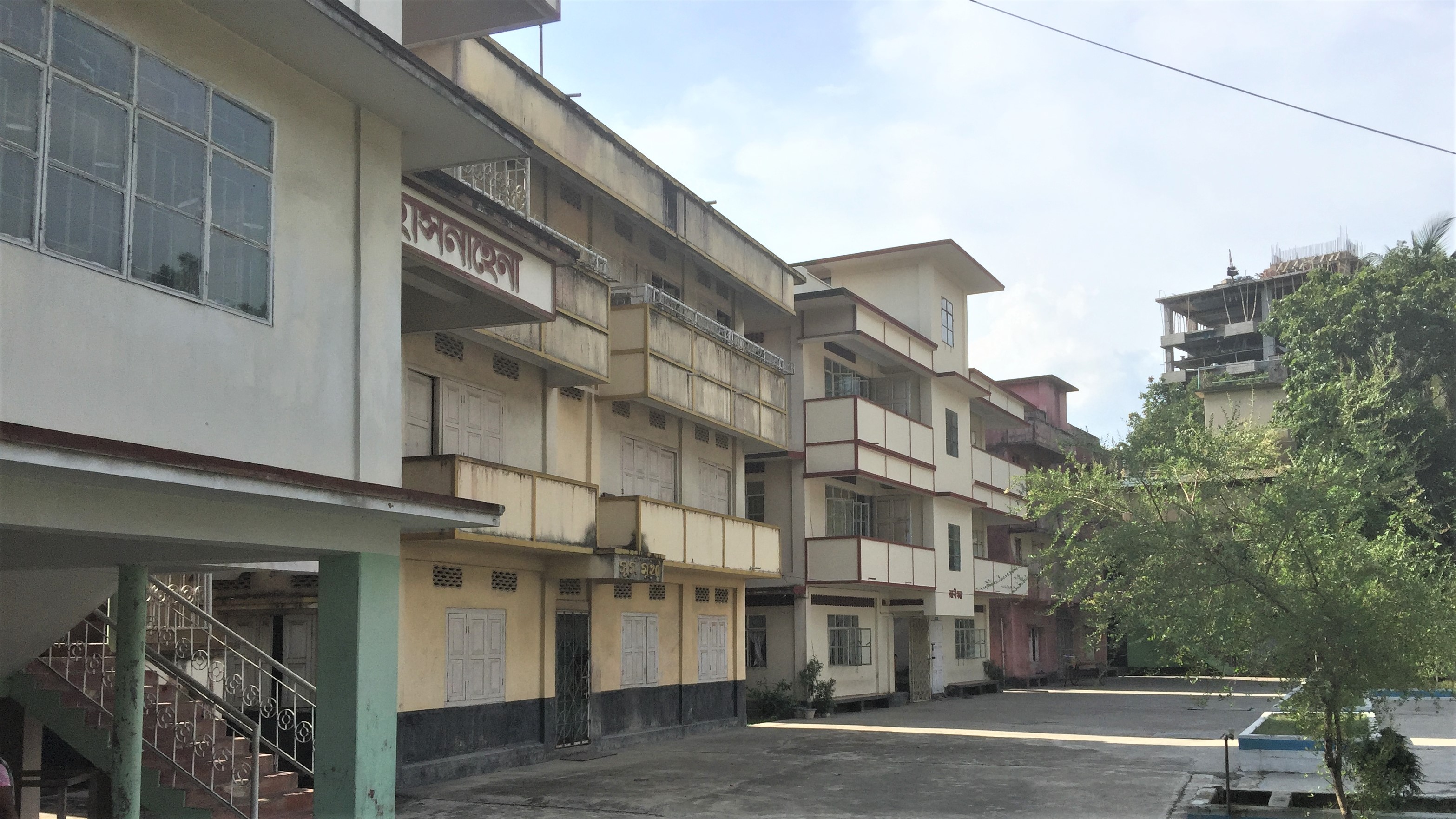
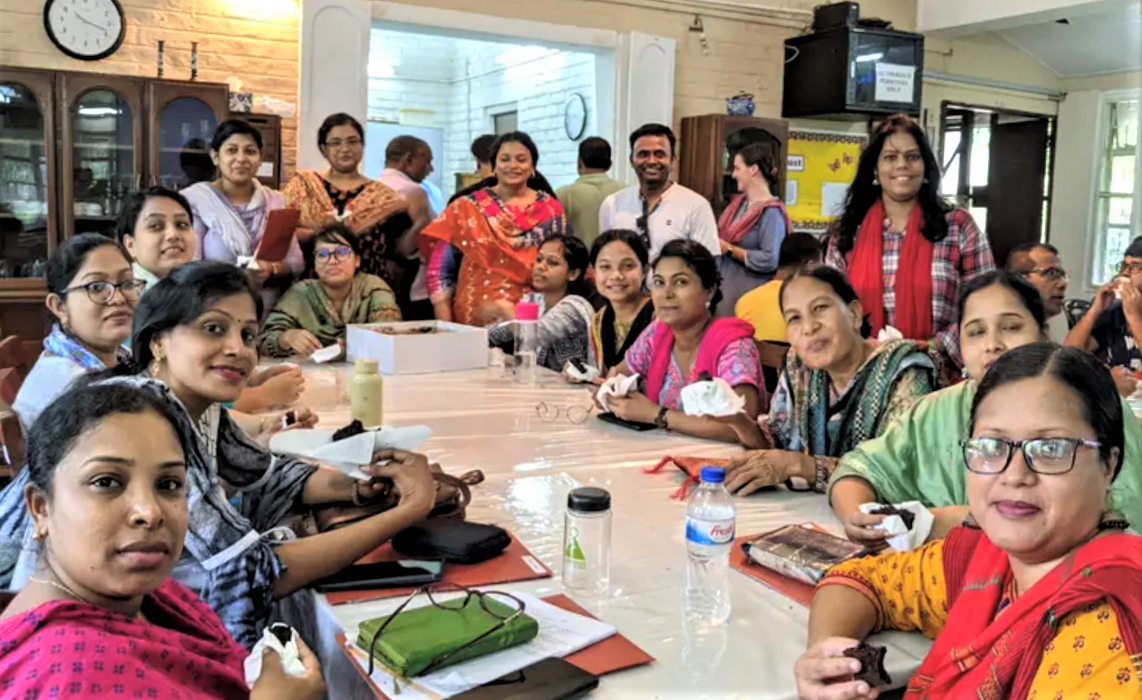
Except that it wasn’t, for I wasn’t the only one with that vision. Jim and Marilou Long, newly arrived on the field, had the same vision. And ten years later the two of them brought that vision to life. William Carey Academy has now stood for 25 years as a testimony to their perseverance and God’s good grace and today we had a chance to walks its halls and speak to its teachers as they prepared their classrooms for the coming school year.

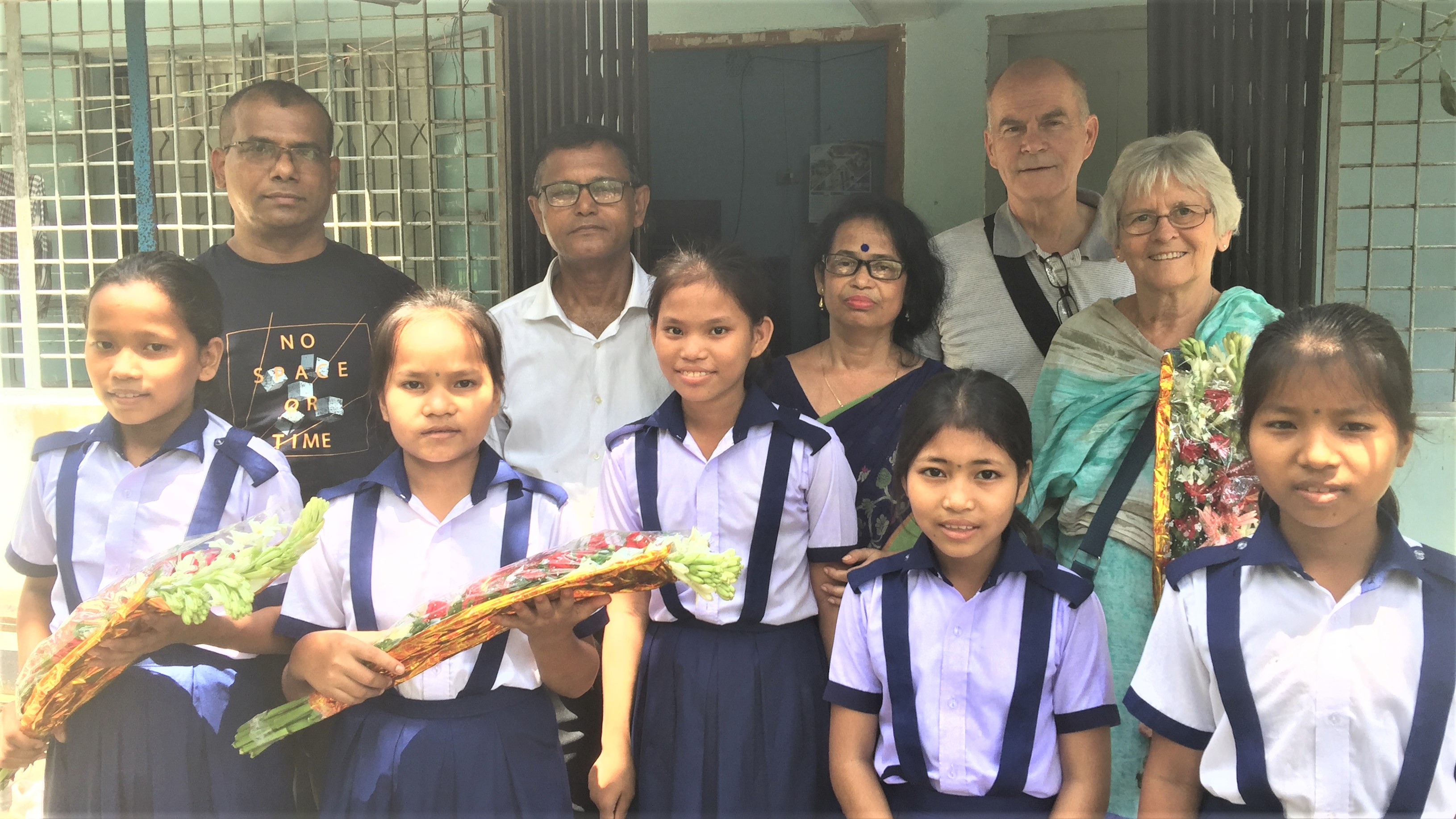
And how is this for circumstance? The man that we hired as our National Director of the school and the other projects of our mission back in March of last year, is married to the daughter of my friend, Manik Roy, the director of the national school in Malumghat all those years ago. How wonderful is our God is to bring all of those pieces together! What a blessing it is to serve Him!

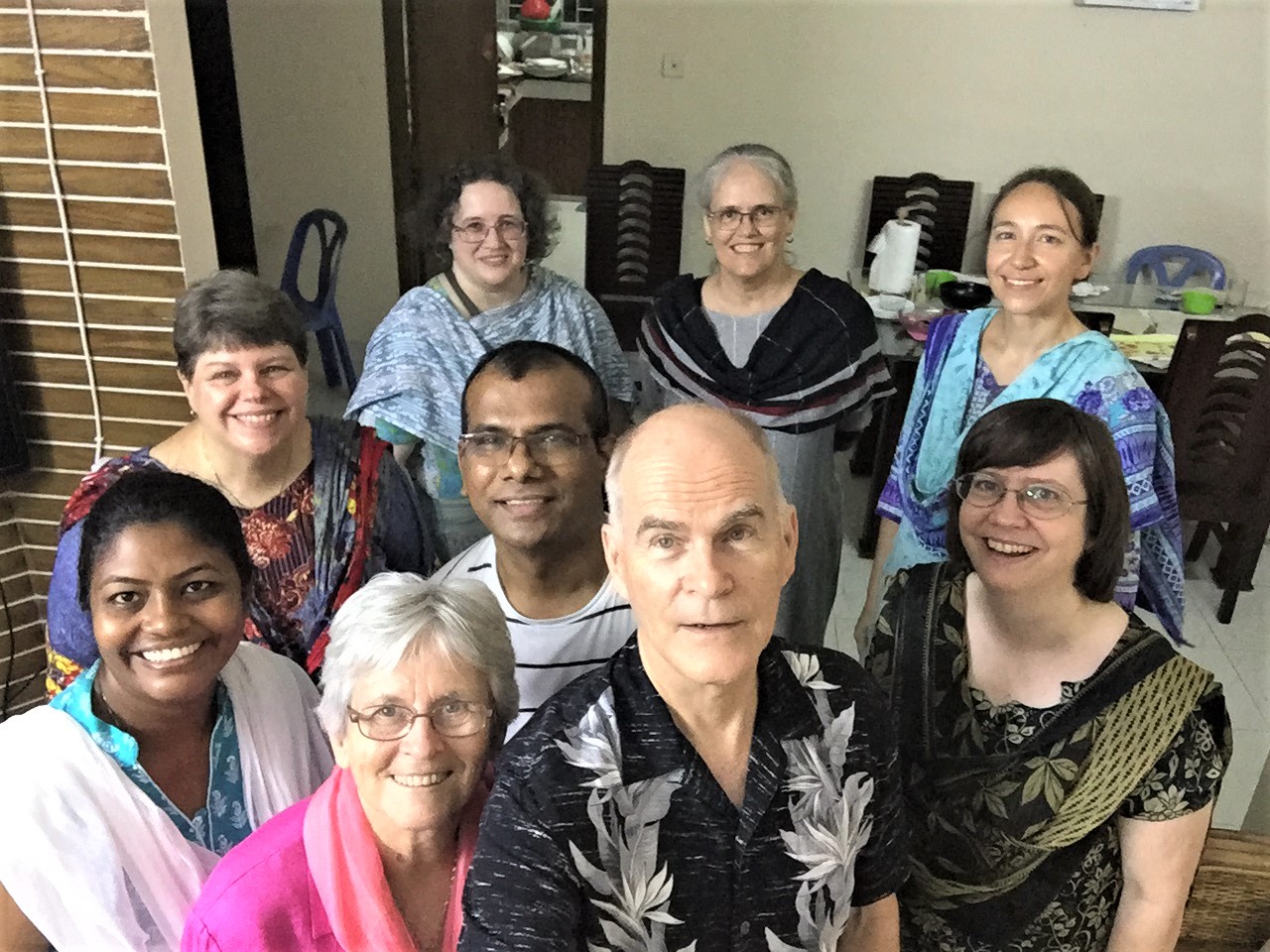
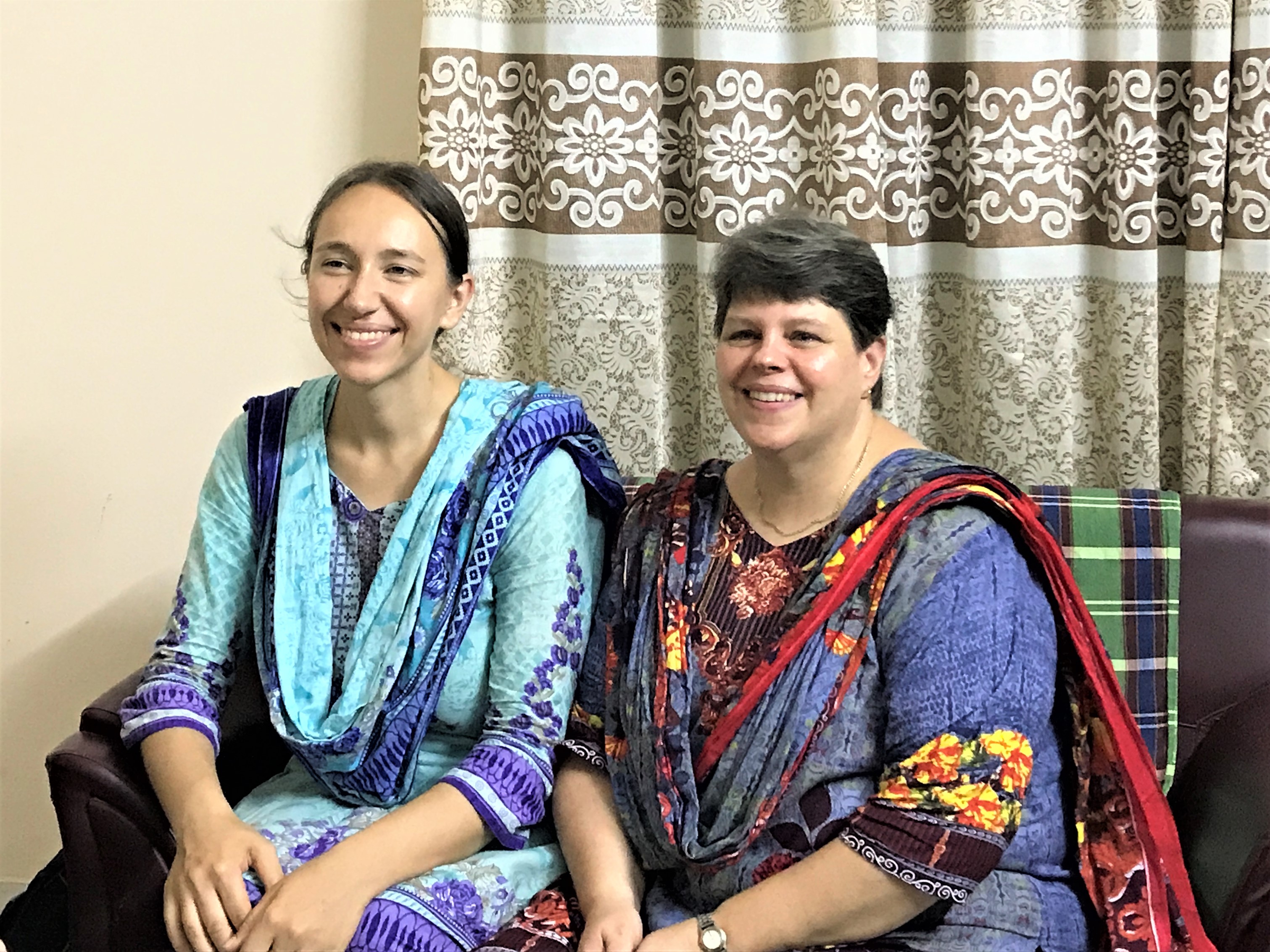
Our new principal of the school Dana, and her flat mate Natasha were gracious enough to invite us to stay with them during our time in Chittagong, and we gratefully accepted their kind offer. It gave us a chance to get to know them both a little better and for them to overcome their hesitancy concerning us as well. Both had been scarred by past associations with our mission, so we had a fair amount of bridge mending to do.

We were able to spend some time together with the members of our team and see their new classrooms in the building the Lord had provided. We also got to meet Peni, who heads up the Free School for the children of the slums who attend for a very minimal cost and get an education that keeps them off the streets and gives them hope for a brighter future themselves.

We also spent some time investigating other properties in the city as the school is badly in need of larger facilities to handle all the students who wish to attend. I was able to deliver a couple of workshops on classroom practice to the staff, and we got to spend some time with our national director Shankar, and his most gracious wife Lusia. Our time in Chittagong was such an encouraging visit, it did our hearts good.

August 2022
August is now upon us, and as every teacher knows, that means September and the start of a new school year is just around the corner. We had been invited by William Carey Academy in Bangladesh to attend their preschool retreat in Malumghat and bring an inspirational message to the staff as they prepared for the start of the year.

I was also asked to prepare a series of lessons on teaching practice from my long years of experience, which I gladly agreed to. Both of these tasks occupied much of my time following our return to England, but there were few of us in the office and I had some peace and quiet to concentrate on the task.

So great was my focus that I had fail to adequately prepare myself for the emotional upheaval that going back to Bangladesh after so many years entailed. Although we had been involved in missions with Trans World Radio in southwestern Ontario since the early 80s, Bangladesh was our first overseas missionary adventure. We left in July of 1985 and arrived in the country with our three tiny children, aged 2, 4, and 5 with a great deal of trepidation

I was reminded of all the turmoil that this overseas service brought into our lives as we travelled down to Malumghat with a busload full of WCA teachers and arrived on the hospital compound where we had lived all those years ago. All those memories came flooding back lack in a tsunami of joy and regret, thrilling discovery and life-changing trials by fire.

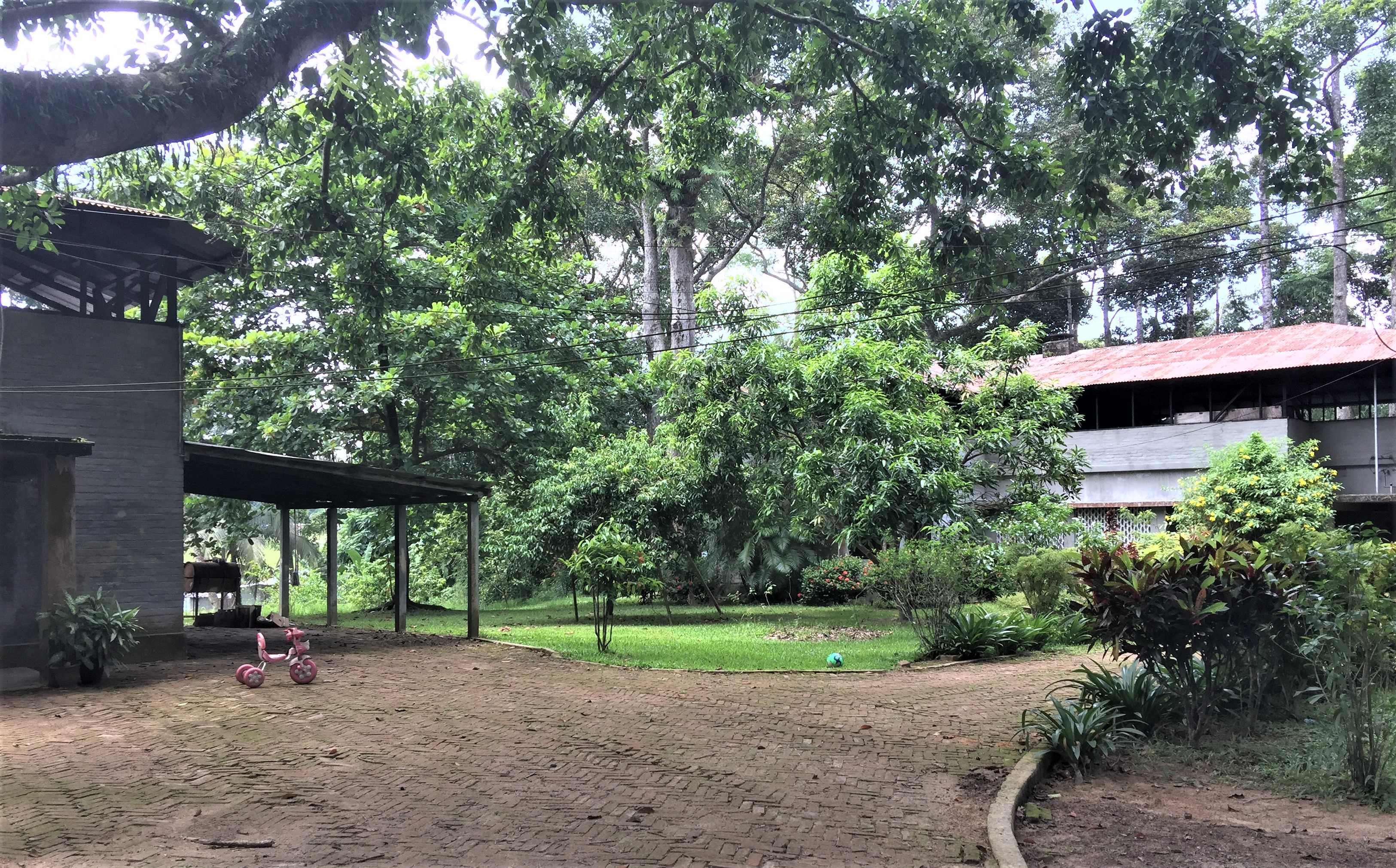
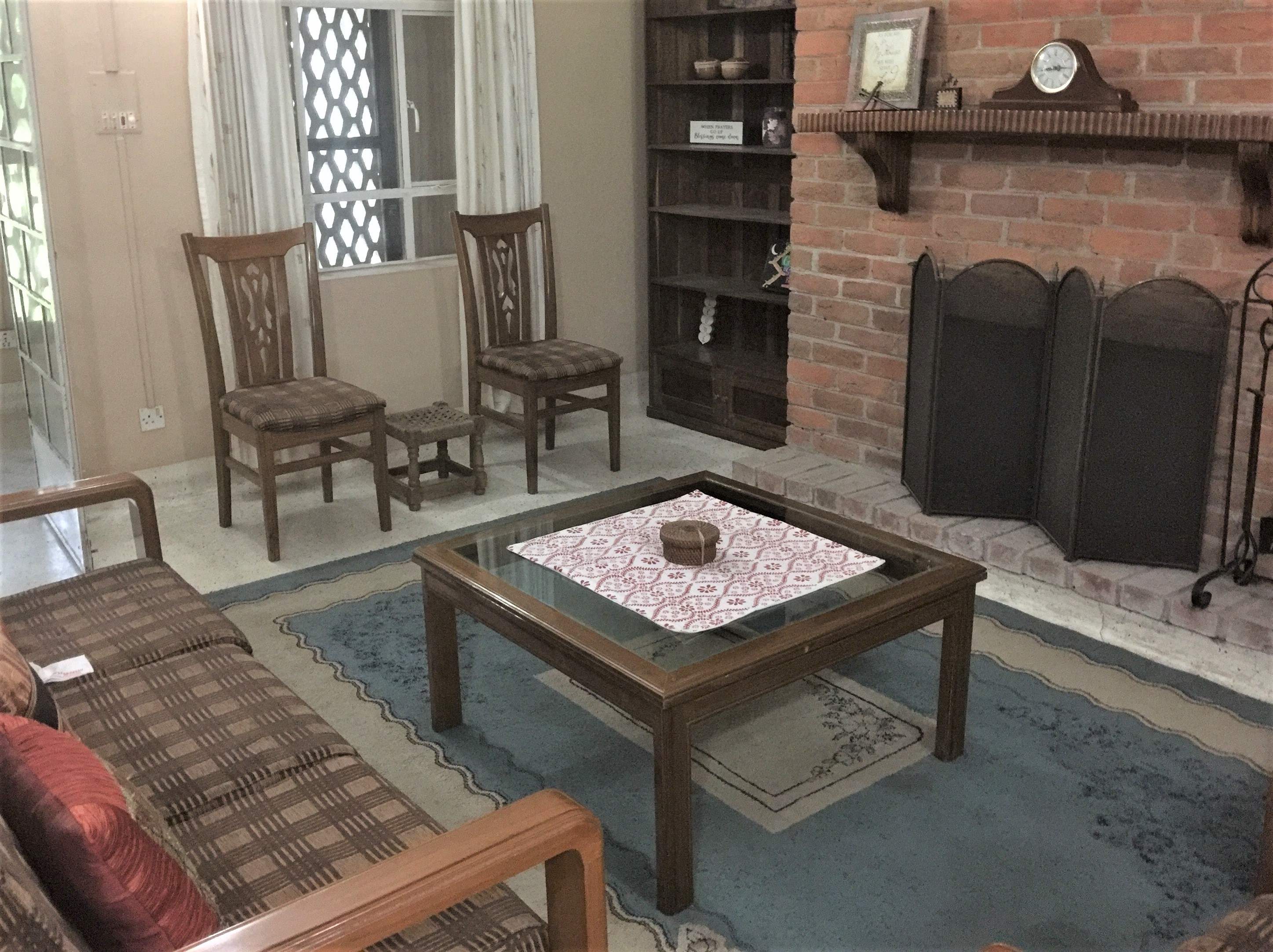
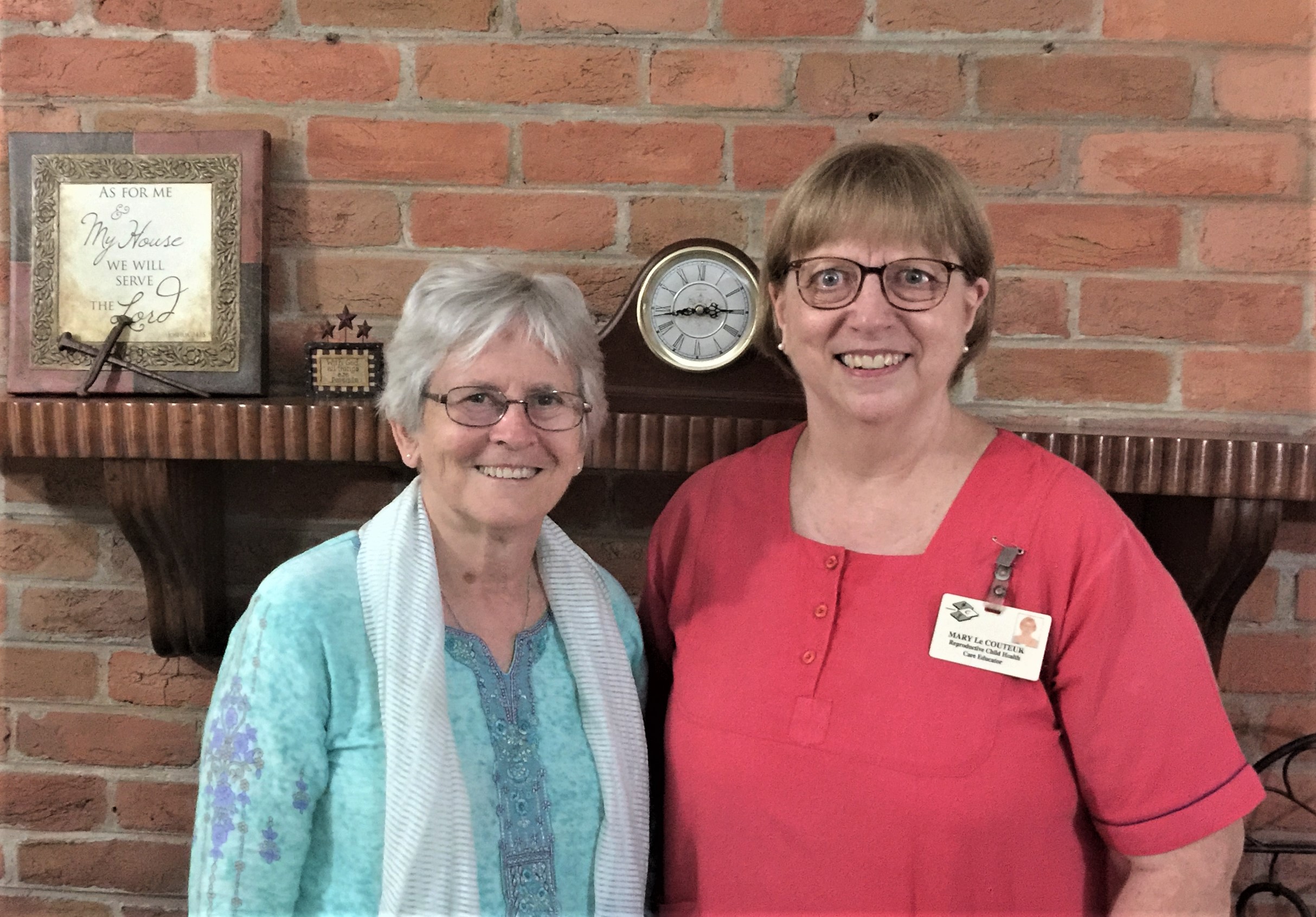
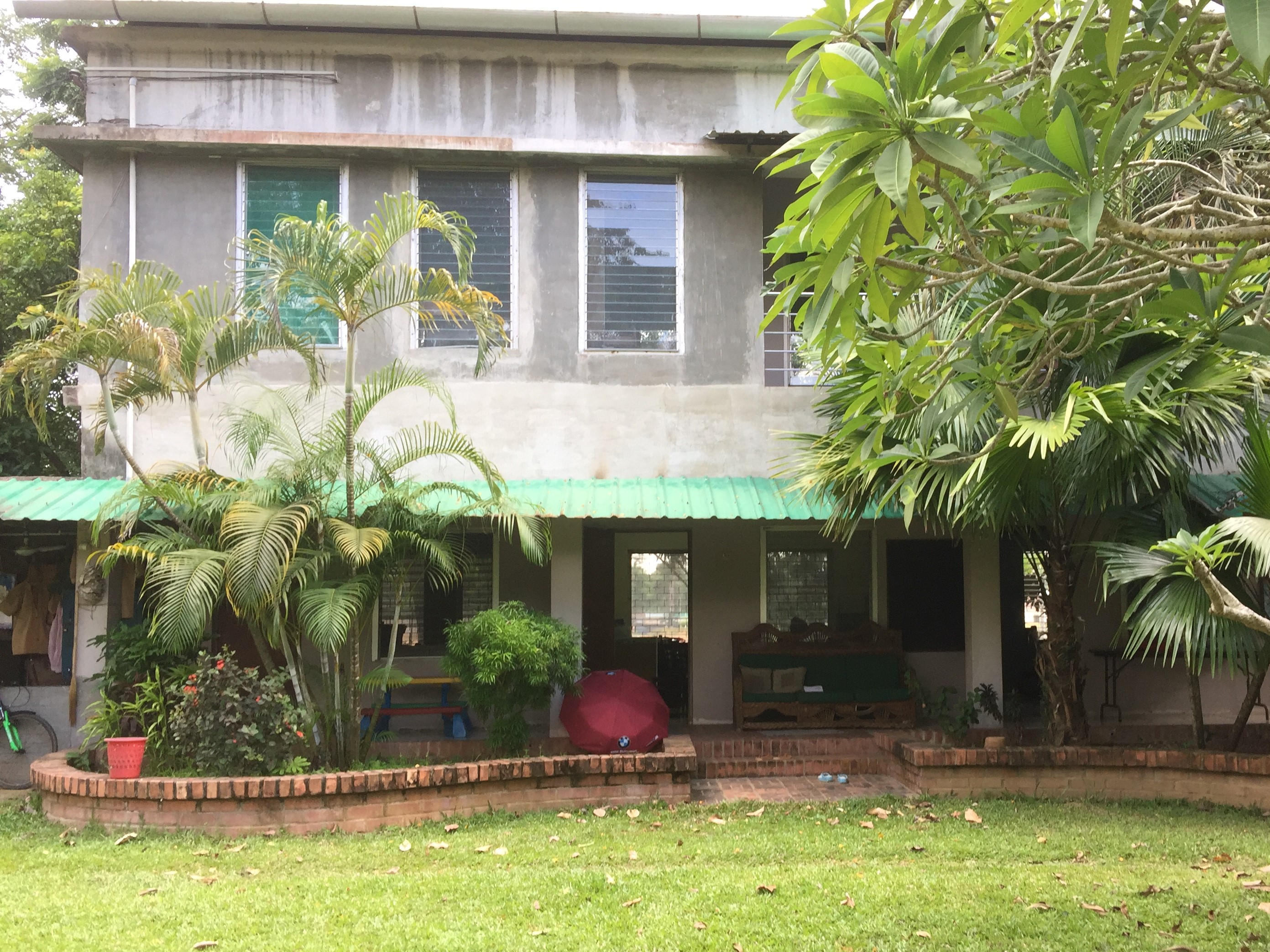
Our old friend and missional colleague, Mary LeCouteur, still serving at the hospital since she herself  arrived in the mid-80s, had arranged for us to stay in the same house that we had lived in all those years ago. While we both appreciated the gesture, we were both near the edge of tears as we wandered through the rooms again, each one seemingly still filled with the sights and sounds of our children and our family life there.

Here were the paths we had walked with our children and colleagues, the school where I taught, the pool where we swam, the national school where I had first dreamed of starting a Christian school in that land that had been so arbitrarily dismissed by the field council, crushing my hope of returning as a fulltime missionary. So many hopes; so many regrets.

There was the house where our friends George and Deb Collins lived where their three children that all became our closest friends for that year. There was the home of Dick and Carol Stagg who had been our mentors and emotional supporters through our own struggles. There was the ghat, now bolstered by the silt of a hundred floods, now able to support rice paddies where once only salt flats were farmed.

Here was Bob Archibald in whose parent’s house we had stayed during our year on the field sharing about how he and our Mru gardener Adi’s son had just completed a translation of the New Testament into the Mru language. Adi would have been so thrilled!. There was Kum Kum Kyang, daughter of Twillafru Kyang who had serve us so faithfully and so well, now serving as a teacher at William Carey Academy.

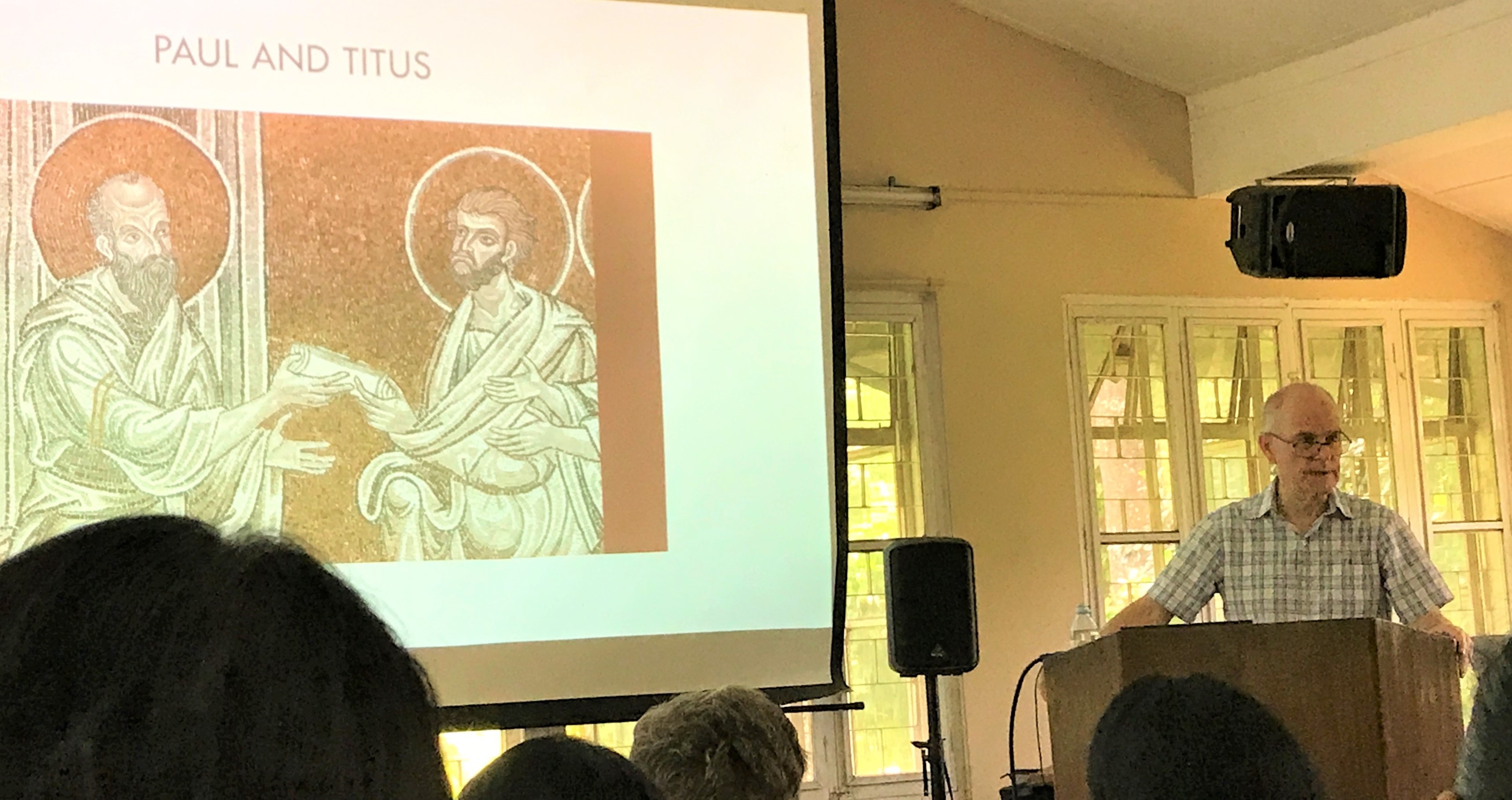
My message on the principles of leadership that Paul outlines in his letters to Titus were well received and appreciated, and I was grateful to have the chance to give something back to a land and a people that had given so much to us. That year in Bangladesh might well have been the hardest we had ever been through as a family, but it was also the most formative in shaping our missional drive to serve the disadvantaged that remains with us to this day.

August 2022

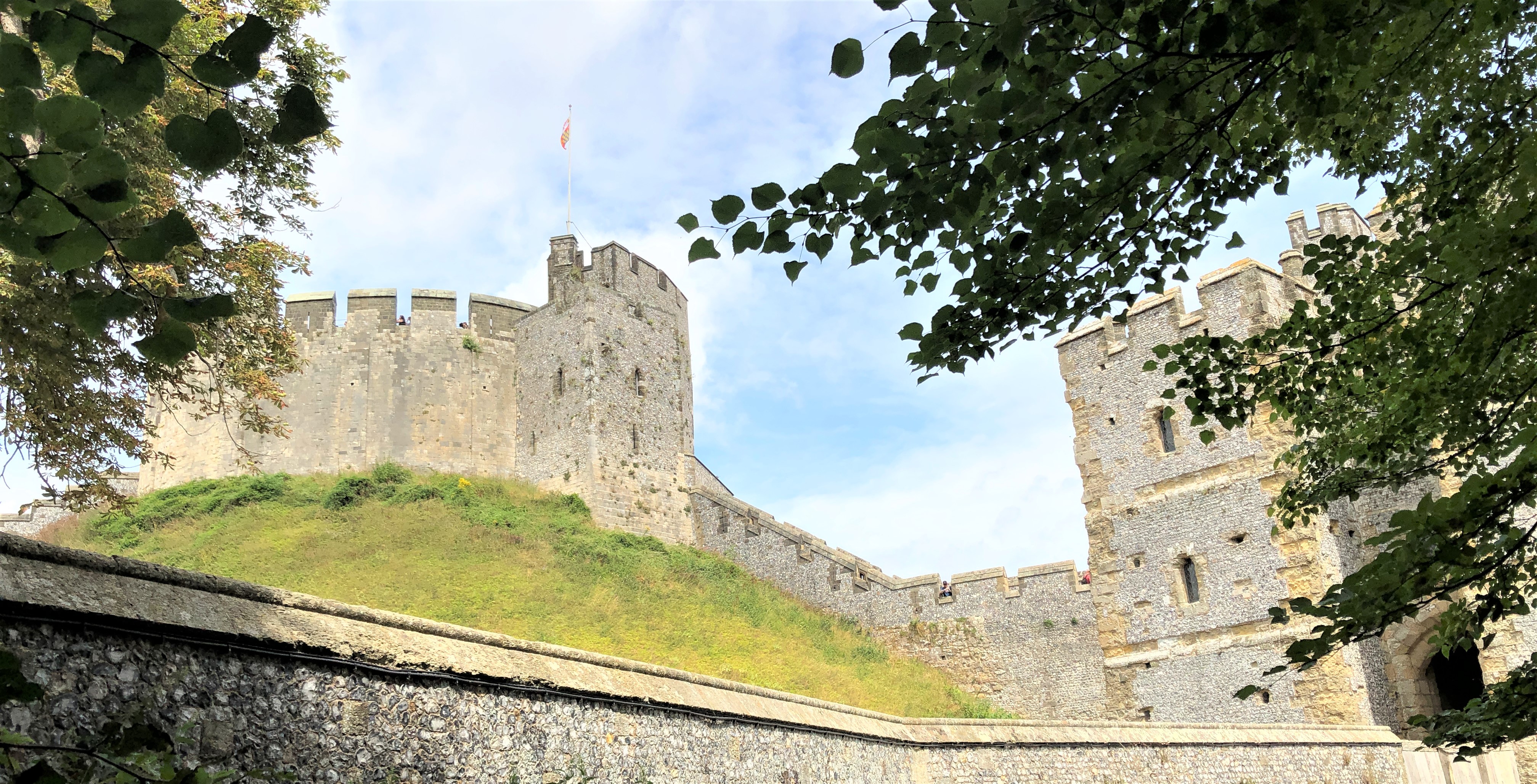
Just down the road from us is the lovely little village of Arundel. Despite its relatively small size, Arundel has an outsized flow of tourists, drawn to the village by its charming little streets and shops, its magnificent cathedral and most especially by its still inhabited castle.

We have been on the castle grounds before and even took our grandchildren there back in June when they came to visit. We have also walked its streets and bought books and sweets from its many little stores. But we had never seen a medieval jousting tournament, which is one of several still competitive jousts in England.

Unlike the shows you might have seen that are no more than a sideshow to a banquet at an exorbitant cost, this joust is a competitive sport with contestants from all across Europe that have a regularly schedule of tournaments across the continent. This year saw two competitors each from England, France, Portugal and even far away Australia.

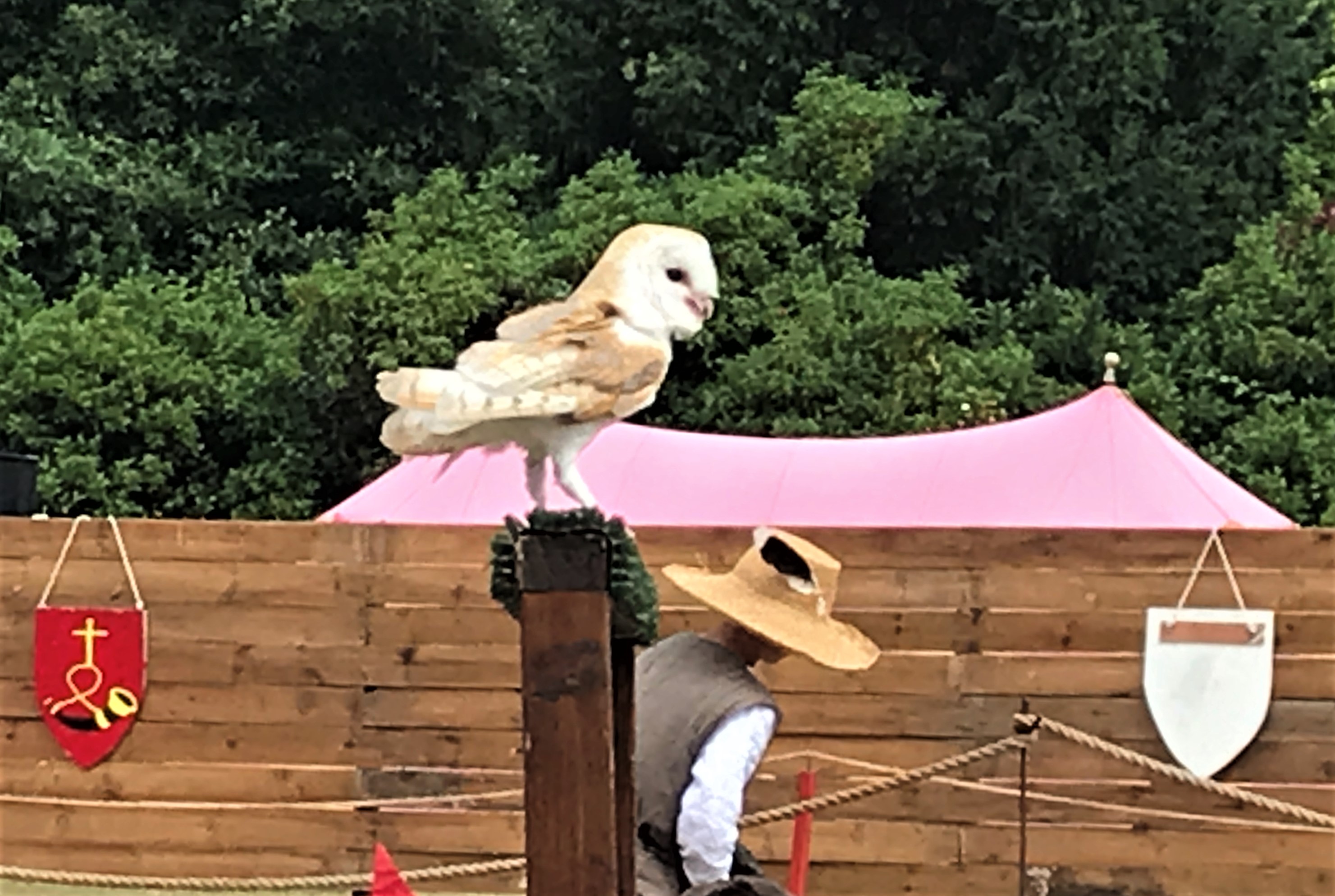
In addition to the jousting, there was also a falconry display, this year featuring a magnificent snowy owl, country faire booths offering food and medieval crafts, and of course a tour of the castle and the grounds. We missed going the first year we were in England but were determined to find the time this year.

So gathering those few colleagues that were here in the summer, we set off in three cars for the drive and enjoyed a spectacular day in the sunshine watching the competition and cheering on our champion. Much to the disappointment of the crowd, it was the French competitor who won this day, but it was a thrilling spectacle and well worth the effort and the cost to get there.

July 2022