We are travelling fools, Pam and I, so you have to take the following with a grain of salt, but when you get to the place that you can’t remember the last trip you took, it is time to take another. We try to fly home to Canada and the States as often as we can. Three kids and five grandkids are a big attraction. But other than that, there hasn’t been much. It is true that we did take a cruise a year ago. Sorry to say that was a bust, as any moment’s worth of reflection would have revealed before the voyage. Seriously? You live in the Caribbean and you are going to take a Caribbean cruise? D’Oh!

Anyway, after that fiasco of a cruise last year we decided to bite the bullet and actually visit a foreign country, even if it meant going through Miami to get there. We were coming up for our 40th anniversary and wanted something to match the amazing trip to the Nihiwatu Resort in Sumba, Indonesia on our 30th. After much debate and a consideration of options, we settled on Machu Picchu.

Because we hadn’t travelled in a while, I had a bucket of points on my Visa travel card that enabled us to get everything in country – flights, trains, and hotels – on points. We did what we normally do when a target destination is unknown. We have a look at the ridiculously expensive packaged tours, see where they are staying and how they are mapping the route, and then pattern our trip after that to book our own.

Having checked out Lima on Google, we thought it best to stay on the southern edge in a district called Miraflores. Again, no mistake there, for as we drove along the Pacific boulevard the hang gliders were sailing down over the cliff and the surfers were braving the gravelly beach by the score. We checked into the Radisson, where we got an upgrade to a superior room that overlooked the ocean and after a quick change of clothes and a brief look at Google maps, wandered out into the late Peruvian afternoon to J.F. Kennedy Park.

Peru is not Southeast Asia. Crowds, by Asian standards, were not a problem, and at least in the areas we travelled plenty of locals spoke sufficient English for our needs. We never felt threatened or were ever in any danger of getting lost or even separated from each other. After the organized chaos of Southeast Asia, travelling in Peru was a breeze.

Kennedy Park was filled with vendors with their leather and pottery crafts. The local art was amazingly bold and unique, with strong colours and dynamic designs. Bordering the park were a number of outdoor cafés where we stopped for dinner so we could watch the crowds.
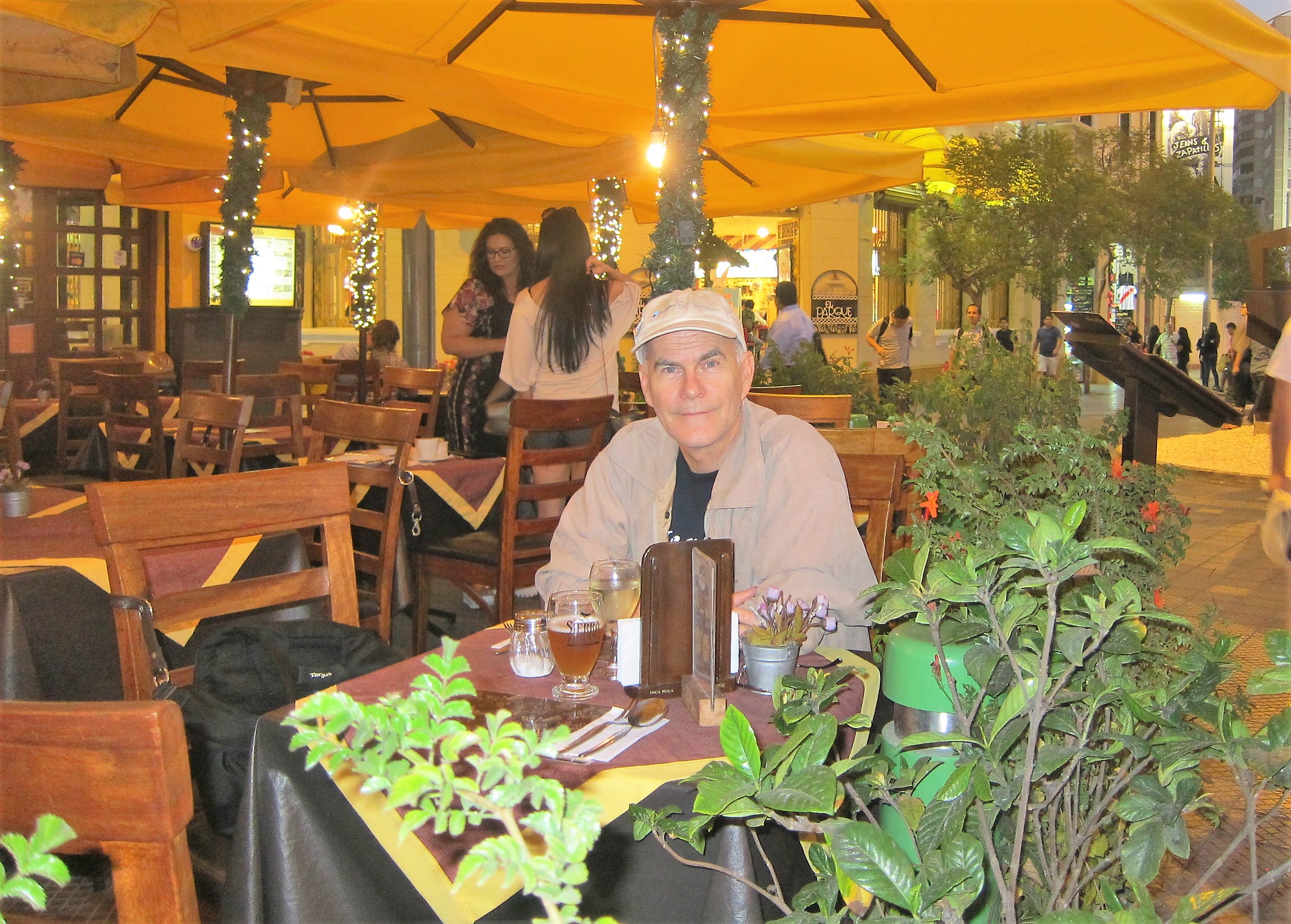
A pleasant stroll brought us back to the hotel to cash in a voucher for free drinks, then off to sleep in a most comfortable bed. This trip to Peru, much delayed and postponed, was starting out on a very positive note indeed. Why, we asked ourselves, have we waited for so long to travel in this part of the world!




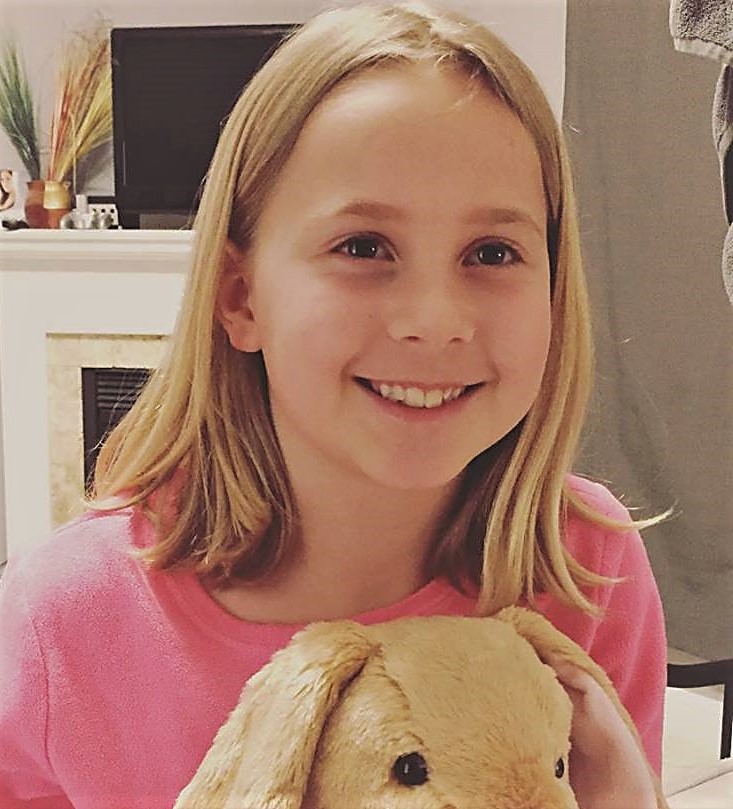
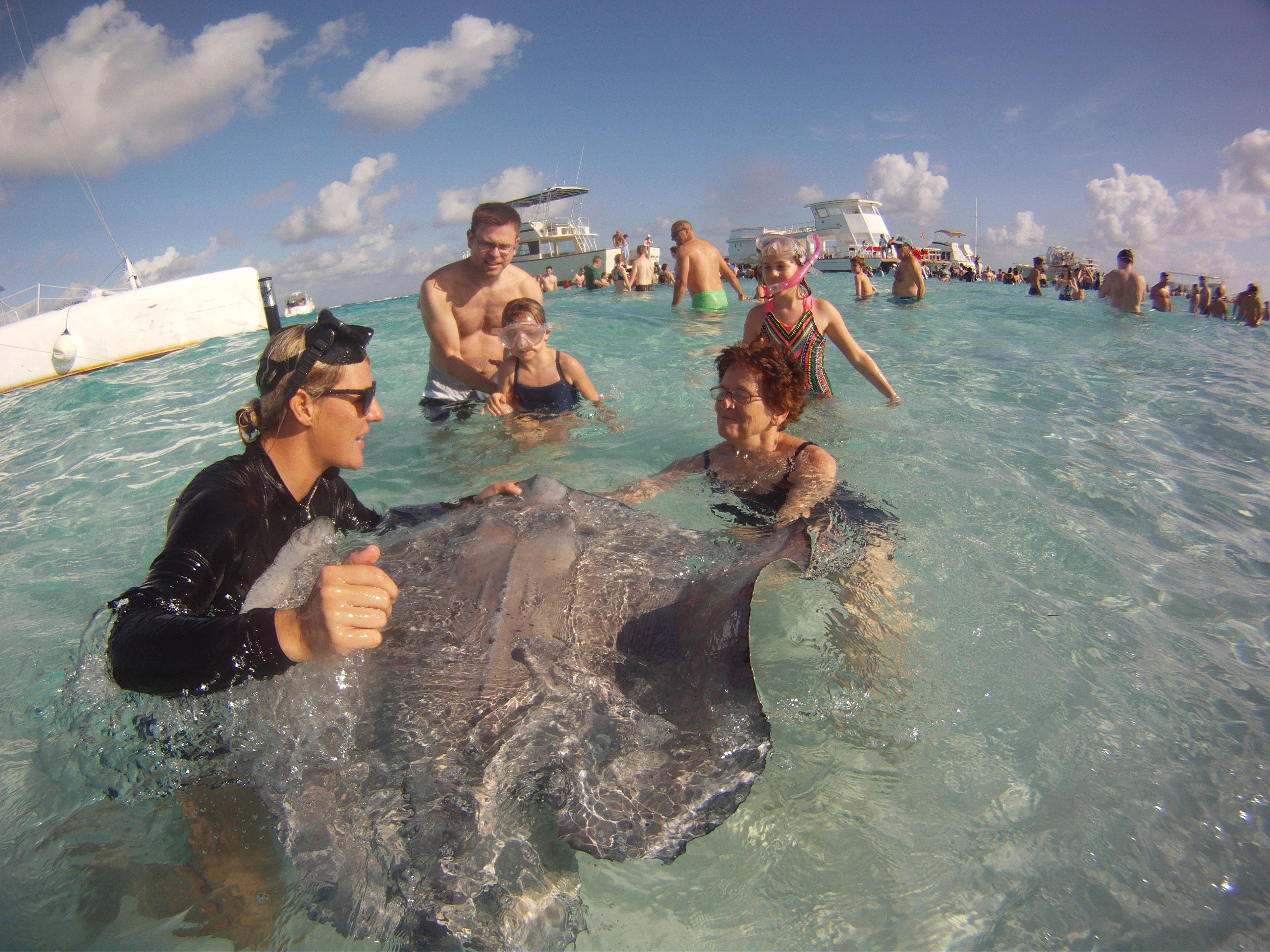
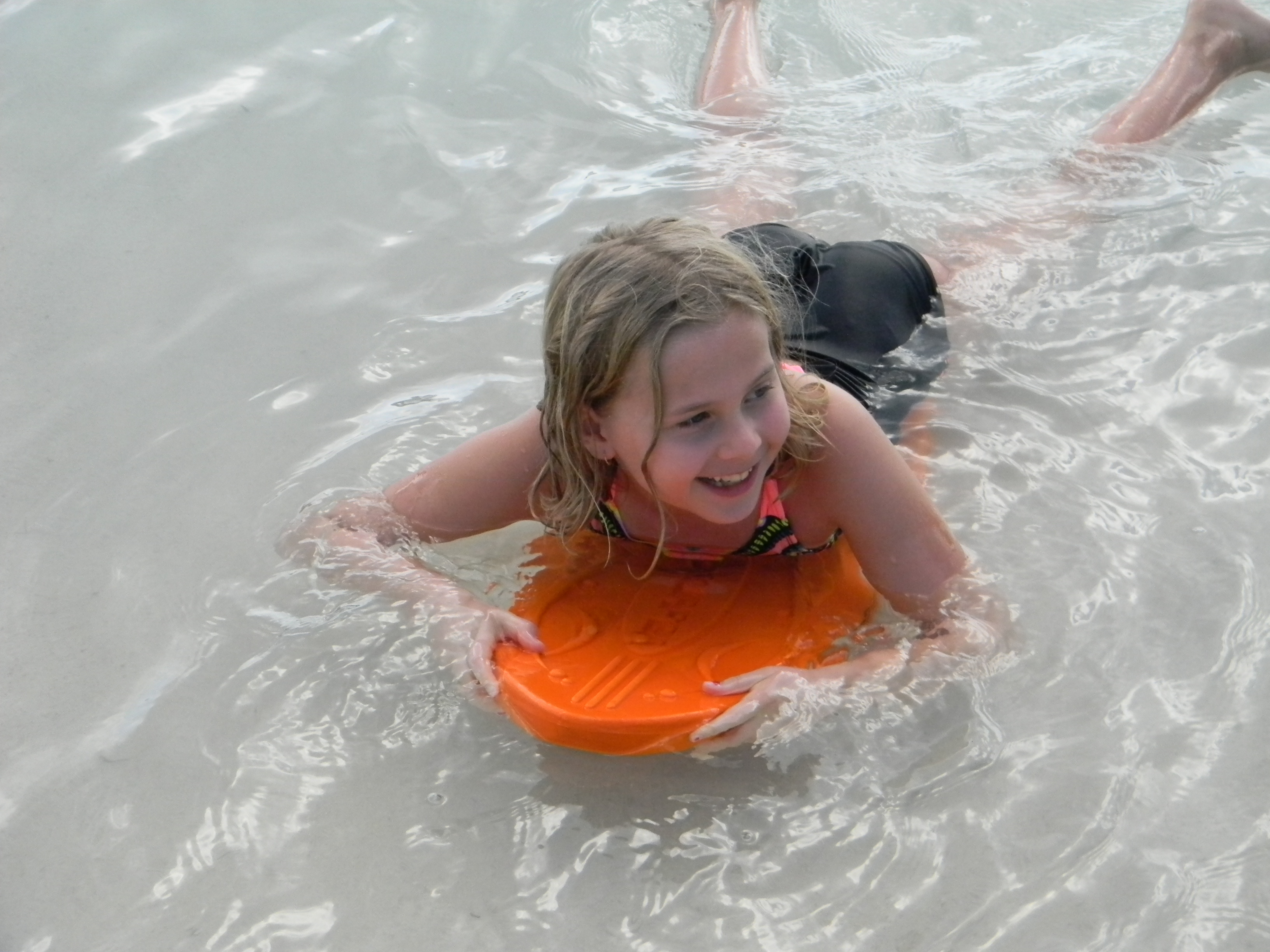
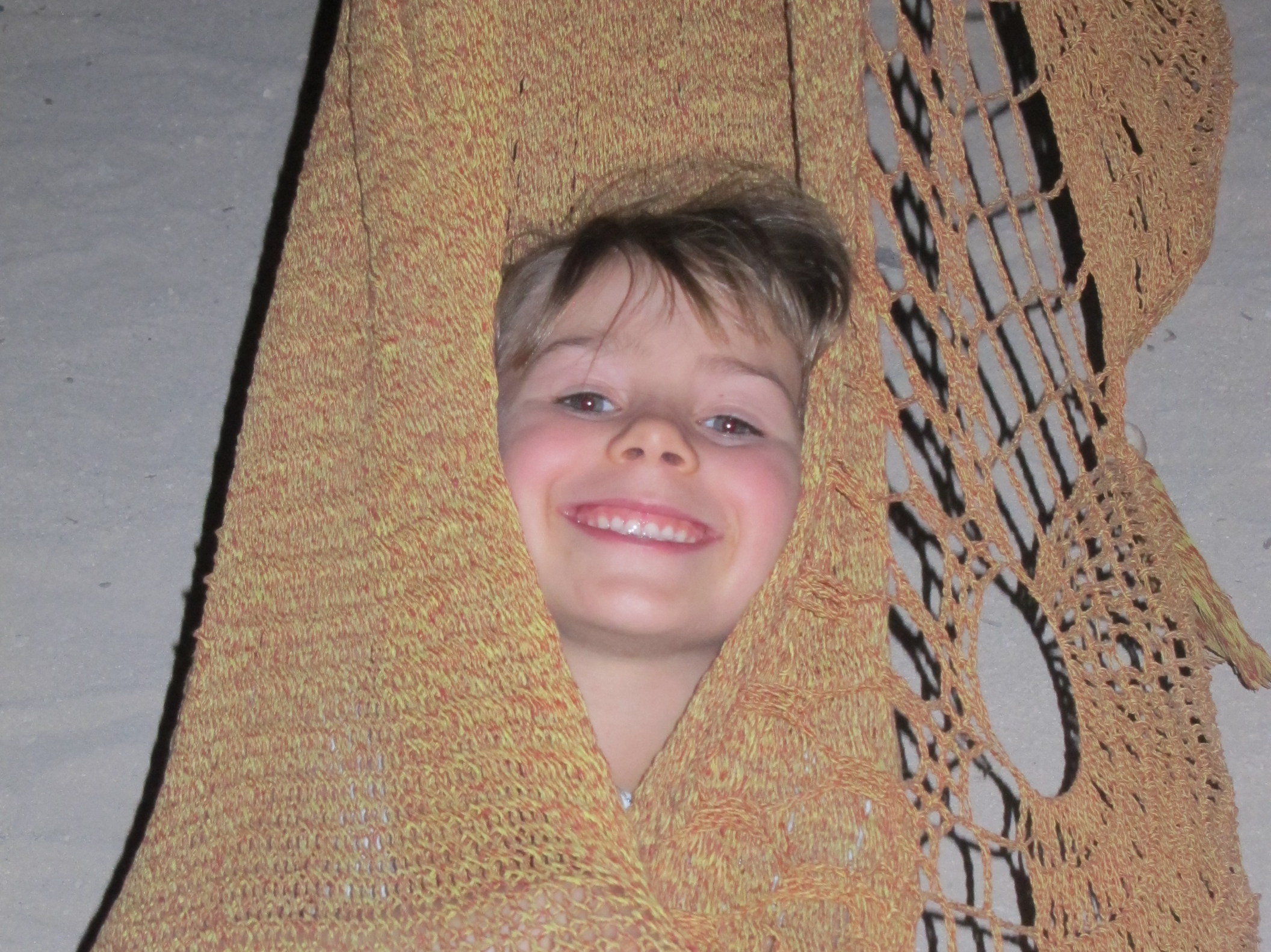
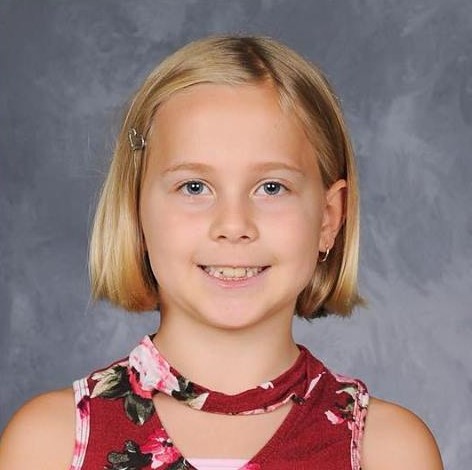
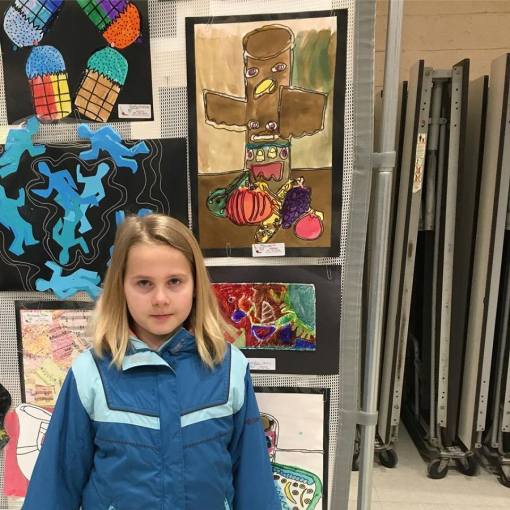
Our dear sweet Abi, we love you so very much that it is impossible to say all the things we would love to tell you as you turn ten. You have brought such special happiness into our hearts and our family. You are unique and beautiful and touch our hearts in ways that only you can.

Stephen Hawking passed away on March 14 of this year, a bright, shining star in the firmament of the brilliant. Like all truly intelligent scientists – Newton, Einstein, Darwin – Hawking left plenty of room for God in his thinking. Only the drooling Neanderthals of the intelligentsia, the Richard Dawkins and the Stephen Frys of this world who haven’t thought deeply about anything save breakfast are committed atheists. All those who are truly intelligent recognize the limits of scientific observation and theory and understand fully that beyond the ‘event horizons’ of the universe lies nothing but speculation.

Hawking certainly knew this, and at one pivotal moment in his landmark A Brief History of Time acknowledges that all of his speculation is merely an attempt to rationalize what is known about the universe into a coherent theory that is not dependent on the presence of God. He goes further. He acknowledges that the existence of God is a much better explanation for what is known and observed than anything he puts forward. Such intellectual open-mindedness is the hallmark of genius.

Hawking was equally frank about the dangers posed by the development of artificial intelligence or AI. He once remarked that, “Computers can, in theory, emulate human intelligence, and exceed it. Success in creating effective AI, could be the biggest event in the history of our civilization. Or the worst. We just don’t know. So we cannot know if we will be infinitely helped by AI, or ignored by it and side-lined, or conceivably destroyed by it.”

Hawking was himself the beneficiary of the intelligent machines he warned us about. Unable to speak for the last thirty years, Hawking was entirely dependent on machines to move or even speak. Nothing, however, was able to limit his capacity to think. He was the director of research at the Centre for Theoretical Cosmology at the University of Cambridge at the time of his death and pushed the boundaries of what we know about the universe.

But perhaps his greatest gift to mankind was his indomitable spirit. Diagnosed with ALS at 21, Hawking was given two years to live. He lived another 55 and altered perceptions not only of the physical universe, but of the remarkable human capacity for endurance in the face of an overwhelming disability. He will be missed.


There is something about getting to forty years of marriage that has the quiet confidence of accomplishment. No, it doesn’t do away with the arguments and disagreements over the years, but it does put them in perspective. Marital arguments are immediate and intense. They are a psychological train wreck that leave both with bad feelings and thoughts about the other. One can’t help but ask, ‘Why are we still arguing about these things after all these years?’ But reaching forty years together takes the focus off the ‘arguing about these things’ and puts the emphasis on the ‘all these years.’ It happens so slowly and subtly. Each day is infinitesimally small, and the passage of the days just go incrementally by. Then you get to forty years and suddenly you recognize that together you have accomplished something remarkable.

As a Christian I know in my heart of hearts that this is not something we have done. We came into this marriage hurting and broken people, both of us. Everyone has baggage; the self-aware merely feel it more keenly. Without the other who knows what would have happened to us. In my case my own natal family is a salutary example of the person I might have become. Perhaps worse. On occasion I have felt that Pam has nagged me far more than I have been comfortable with and perhaps even on occasion far more than I deserved. However, she has been my moral compass far more often than she has been a stumbling block. When I consider where the Lord might be leading us, I always stop to consider how the Lord is speaking to her and it helps to guide my way.

But these are just the details, the individual trees in the forest of our relationship. That forest began as a small grove of shared experience that now encompasses forty years of our lives. The branches of these experiences intertwine through the lives of all those we have known and touched, and all those who have entered our lives over the years. These shared experiences enrich our lives and deepen the connections between us. We have done far more than endure; we have grown deeper and more connected to all we have known. We have learned the lessons of love.

The modern notion of living together until you are no longer interested in the other troubles me. Not because I am a judgmental prude. Far from it. Rather I have seen how a marital commitment – in the presence of God, family and friends – provides the shelter under which the frail shoots of a nascent love can become a forest of blessing and refuge in a word that is filled with rancor and strife. So many people misunderstand just how considerate and caring, how reassuring and comforting that marital commitment can be. For us, at forty years and counting, it has been an immeasurable blessing.


Dave didn’t manage to join us for Christmas but was able to sneak in a five day visit between projects, and before  the start of the new construction season. Dave comes without pomp and circumstance, no massive preparations and no demands. His job is wonderful but demanding and stretching him in terms of catching up with the Engineering theory that he studies ten years ago. The company offers him great opportunities to update and to pursue some new certifications so he has been studying diligently for upcoming exams in March.


Dave is pretty ease to have around. He is happy to spend time with us or happy to go out and meet up with some random people to chat for an evening.He knows the island well and takes the old car and a pile of books to explore the various beaches; Barkers being his favourite of this visit.

Feb 11/18

While we feel very blessed by the opportunities given to us as a result of the lifestyle we live, there is also a price to be paid. The biggest price has been in the family times we have lost and the celebrations we miss so much.

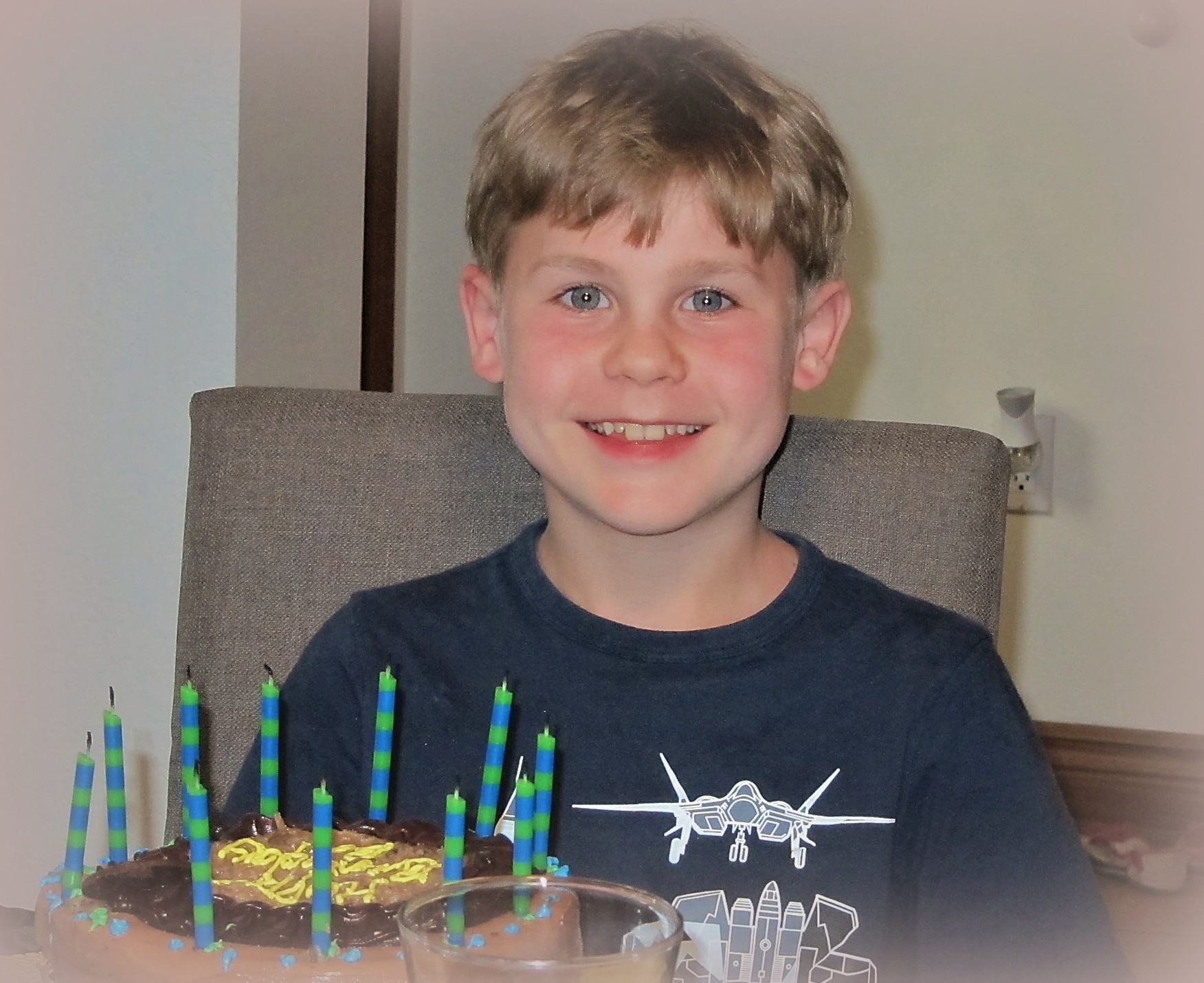
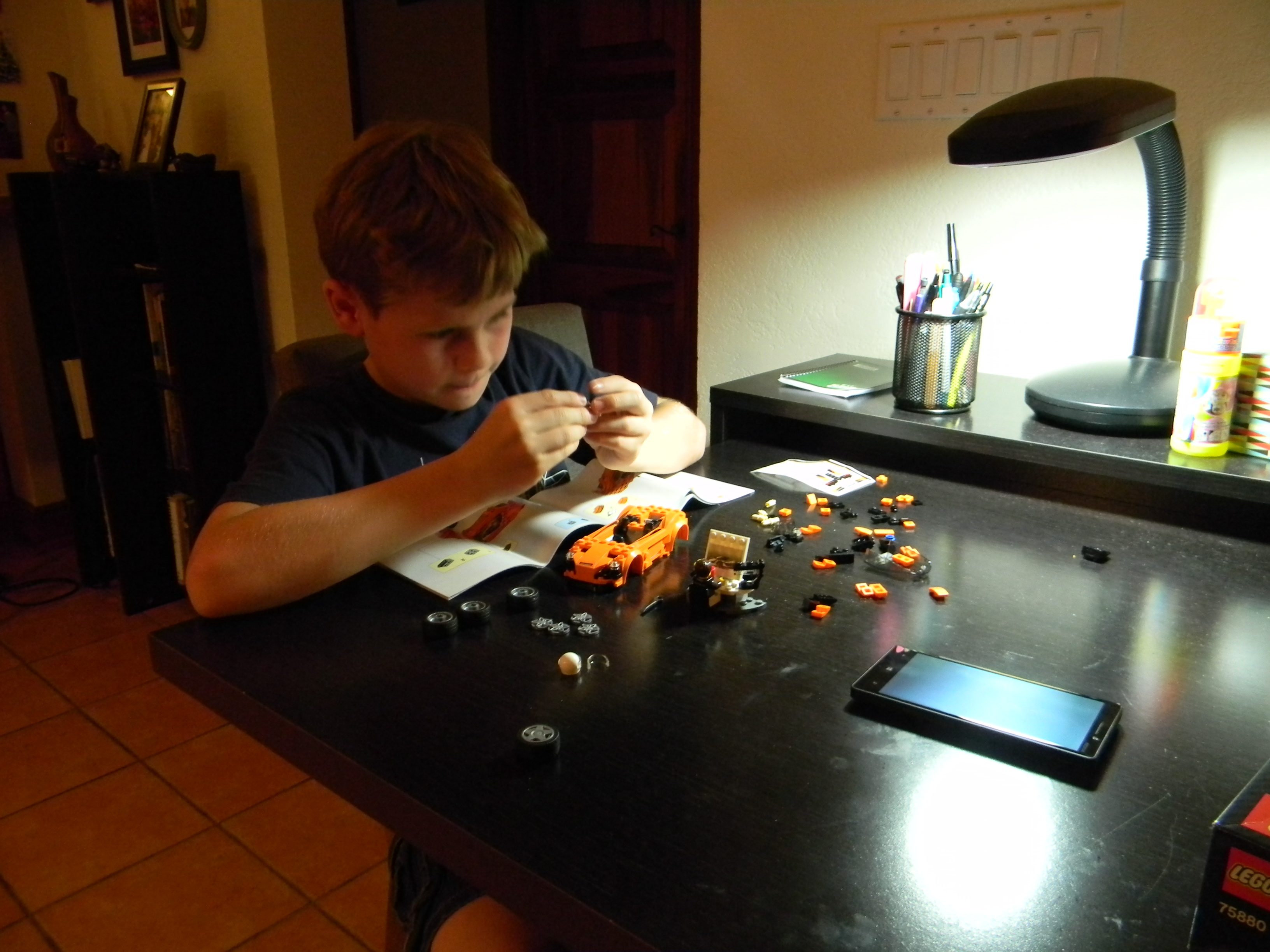
This year we were doubly blessed by not only having family with us to celebrate Christmas but also being able to celebrate the eleventh birthday of this amazing boy who introduced us to the joy of being grandparents. It has been a wonder to watch him grow into such a sweet, curious and creative young  man who makes us and his parents so proud. Happy Birthday Ben. We love you!
We have ‘celebrated’ Christmas overseas by ourselves since 2007. That is a long time to be without family at Christmas. Last year – the first since we left Canada – we went home. It was bitterly cold last year, and we are no longer used to the Canadian winter, but we loved it just the same. No amount of cold could chill hearts that were warmed by being with our children and grandchildren and our extended families. We even got to see the New Year in with our grandchildren in Cleveland.

This year was even better, for this year Jon and his family came to Cayman and celebrated Christmas with us here. During winters in Cayman the almost unbearable heat of the summer gives way to more moderate temperatures and the cooling Caribbean breezes gently blow the sea air across the island. Sunrises are long, and the sunsets linger for hours.

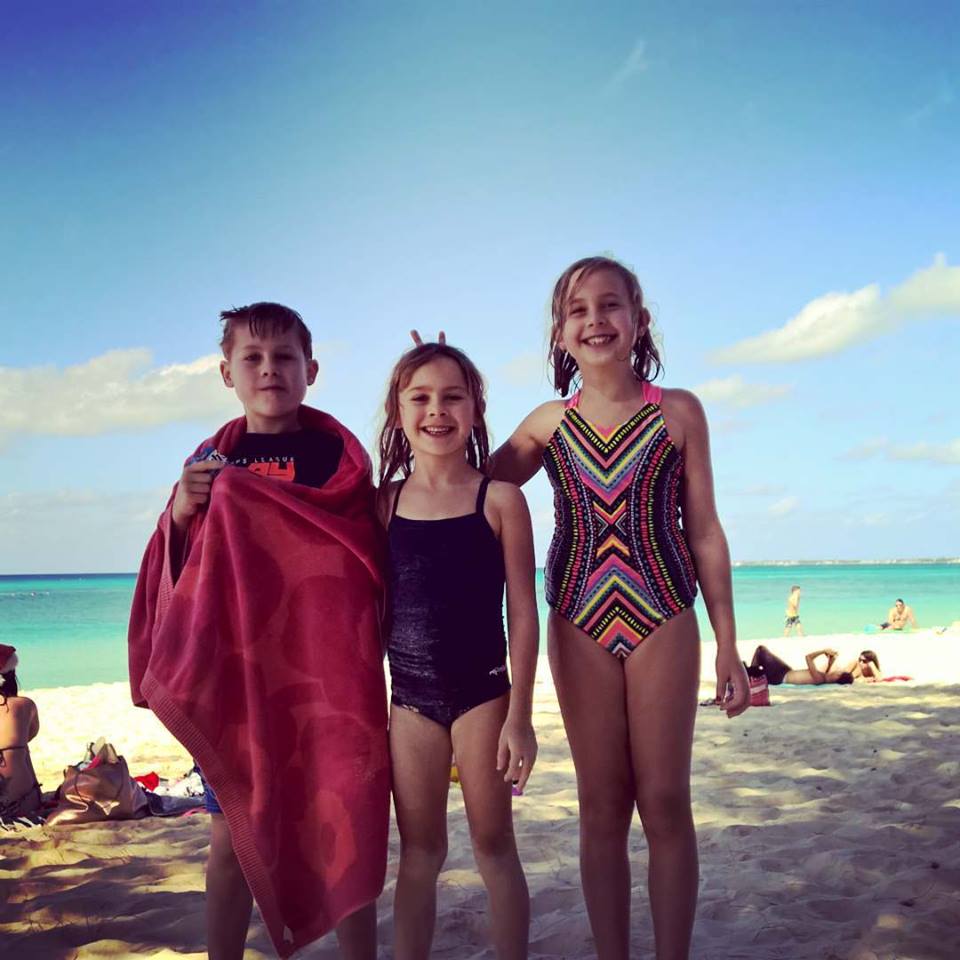
Our days were filled with the happy sounds of children at play on the sand and surf. When our time at the beach was done, the kids would happily return to the pool at our condo and play the rest of the day, practicing their dives and checking out their snorkeling equipment.

Friends of ours, Tom and Jana Hartley, went home to Florida for Christmas, leaving us the keys to their condo where Jon and Nic could stay. They left food in the fridge and freezer, and even bought them a welcoming bottle of wine and some snacks. Their place, like ours, has a pool so the two of them were able to have some quiet time.

The grandkids stayed with us in the spare bedroom, Eli just barely able to fit the small bed we bought for Russ on his visit. Typically, Jon and Nic would show up just after breakfast and leave when the kids went to bed.

Having been here once before was a blessing as none of us felt the need to do the things you are supposed to do when visiting another country. We went for walks, barbequed some meals and hung out on the beach. In the evening we watched some shows on Netflix that at our place is hooked to Jon’s account, so the kids could just pick up on what they usually watched. It was low key, low maintenance and highly enjoyable.

On Christmas Day Pam and I got to play Nice and Naughty Santa to hand out the presents. I will let you figure out who was who. We had enjoyed shopping in the limited retail market of George Town for weeks, and likely took more delight in seeing each gift unwrapped than the kids did.

The most fun gift – for me anyway – was the kite we took to Seven Mile Beach on a blustery day with Ben and I falling over each other trying to get this thing in the air. However, Ben would likely say it was the toy helicopters with their LED lights that they could fire off our balcony into the driveway below. Or perhaps it was the ukulele, and the opportunity to play a duet with Grandpa on his guitar with some chords that I hastily taught him.

It was a wonderful visit, the more so as it was so rare. Of all the things we miss about this itinerant life, it is not seeing the kids at Christmas that tugs at our hearts the most. The blessing is that now we are in the Caribbean we are only four hours from Toronto and see our kids and grandkids more easily and more often than we did in Malaysia. We really need to do Christmas together more often!

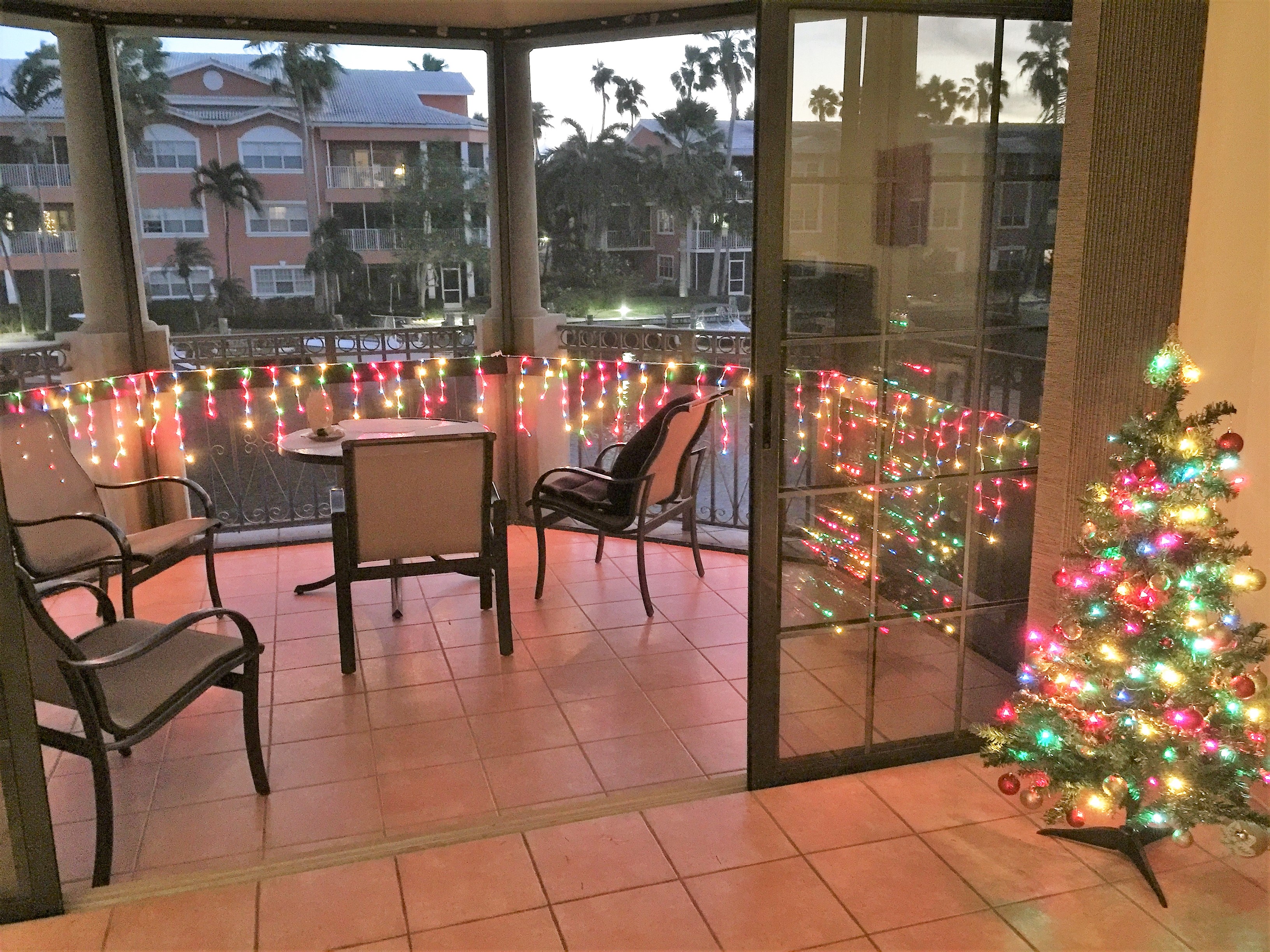
The decorations are up, supplies laid in and school is winding down. Despite the complete lack of snow, or even a hint of cooler weather, we are ready to celebrate Christmas.

The students, families and staff at CIS are all into the Christmas spirit as well. The Giving Tree was decorated this year by the Grade 5 classes. It is placed in the reception area and each of the hand made “decorations”  have the name and age as well as the Christmas wish of a less privileged child in Cayman.

The CIS community is incredibly generous and by the time the Christmas wishes of all the children were filled there was barely room to get to our offices. Families tried to choose children the same age as their own child and went above and beyond the requests, adding their own touch to the gifts. Every child who requested a bike also got a helmet to ensure their safety.

The annual “12 Pubs of Christmas” crawl was much less sedate but great fun. We started out in Camana Bay at King’s Head and partied around the block. I think we made it to the tenth pub, which happens to be at the end of our street. It seemed like a good idea to walk on home at that point..

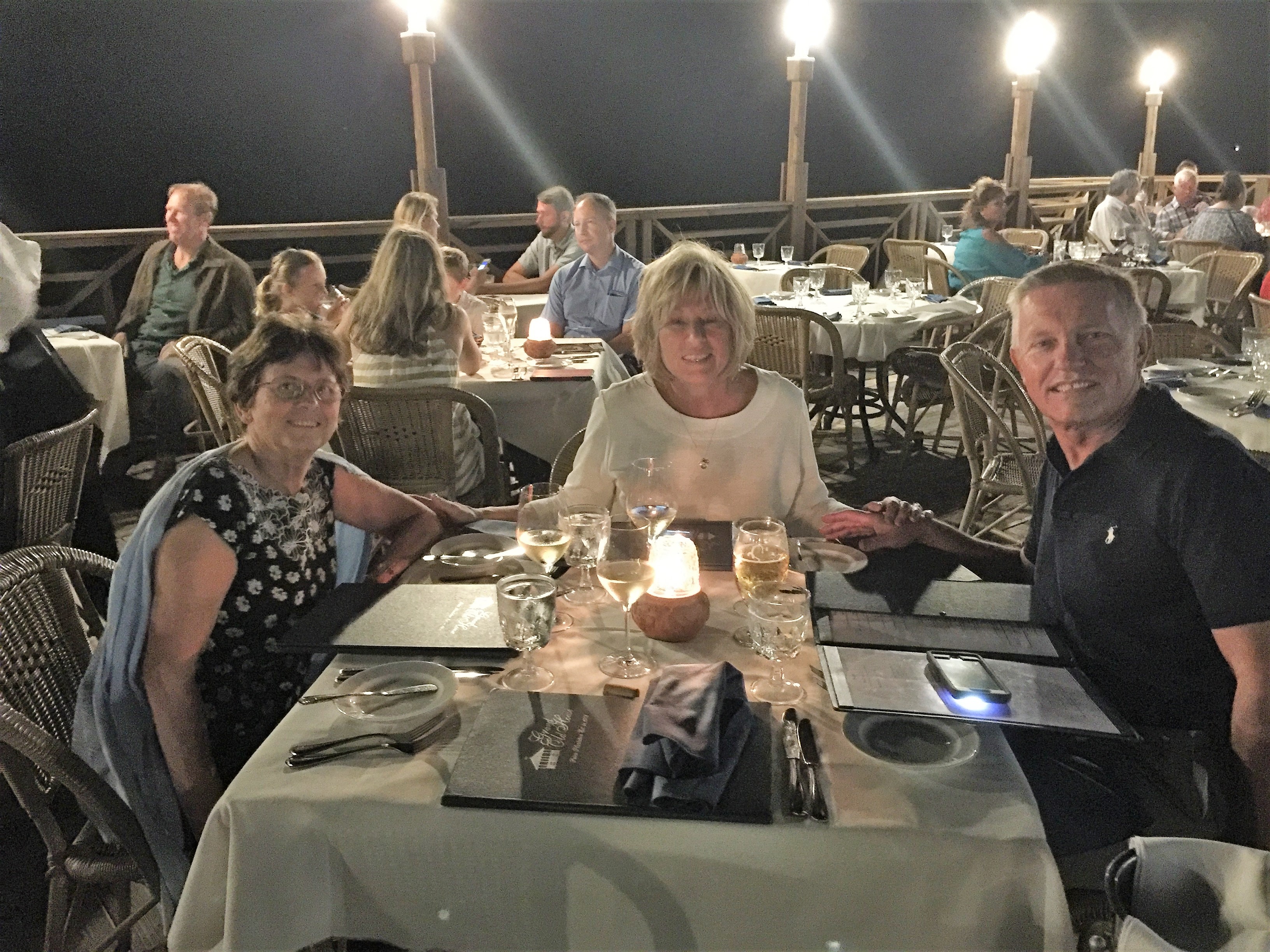
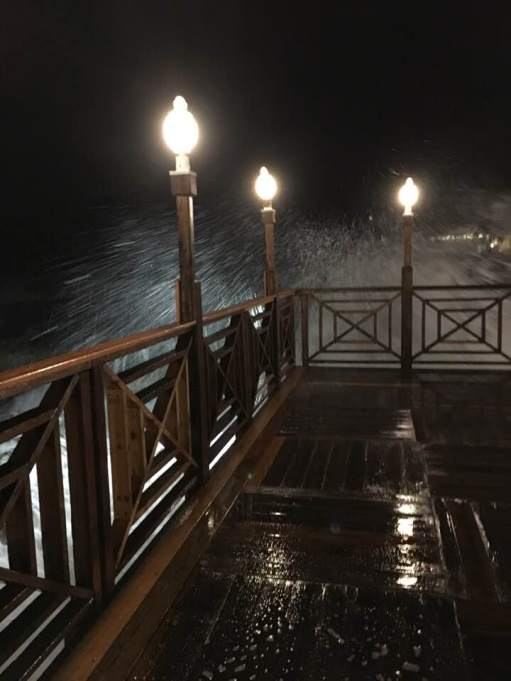
Our staff party was held at the “Great House” on an open air patio by the sea. It was a beautiful but blustery evening and the sea was wild, with waves crashing over the seawall.

wildnight

This fall I started my third year in IB Literature at Cayman International School in the Cayman Islands. CIS was pretty decent about hiring me for the IB Lit program when I had never taught IB before. They were gambling that with my experience in both internationals schools and English that I would be able to make the transition. They were right, but it has not been easy.

The first thing I needed to do was a survey of the assessments used in IB. I know it is a dreadful commentary on education in the 21st century that this is where you need to begin, but that is the reality and you just have to face it. Assessments don’t just determine where the kids get to go in the fall: Harvard, or Happy Valley College of Advanced Basketweaving. Success in assessments is also a means of assessing your success in teaching the program.

IB assessments are pretty much all external, so as a teacher you need to find out quickly what the program is looking for and how you can deliver on those assessment criteria. In IB Literature nearly 50 percent of that mark comes from two exams at the end of the two year program. Hit those targets and the rest will fall in to place. Miss that target and whatever you did that was valuable will be looked at with a jaundiced eye. One of those exams, what IB calls a ‘Paper 2,’ is based on just four texts. IB doesn’t care if those four texts are plays, poetry, or novels, so long as all four are in the same genre.

I am going to reveal some real literary prejudice here by saying that I would be hard pressed to name four plays – outside of Shakespeare – that I would consider worth studying. And finding thematic similarities would be even more daunting. The same holds true for collections of poetry. Given the constraints of IB Lit, it would mean looking at four poets and 48 to 60 poems. Not for this guy. So novels then. Alright. Now choose four novels that are 100 to 200 pages in length, of enduring literary value, that cover the time from Dickens to DeLillo, that reveal a range of narrative voices, that are on the IB Proscribed List of Authors, that have enough thematic similarity that they will serve for a comparative essay on a Paper 2 exam, and that 17 year-olds would find interesting. I’ll give you a minute.

It took me a month in the first year. I choose Conrad’s Heart of Darkness, Achebe’s Things Fall Apart, Hurston’s Their Eyes Were Watching God, and McCarthy’s No Country for Old Men. It was well worth the time it took to be careful for all four have been instrumental in facilitating comparative essays on the Paper 2. The other exam, the ‘Paper 1,’ is a literary analysis of a sight passage in either prose or poetry. That is something that takes two years of practice in critical literary analysis to get ready for, and text here really doesn’t matter as long as there is a good variety. I try to cover Aristotle, Sophocles, Shakespeare, Dickens, Anouilh, and Schlink, and as wide a variety of poets as I can squeeze in. I am pretty happy with those choices as well.

All of this has to be housed somewhere, and these days that somewhere is Google. For the first two years I used folders in Google Drive to house student work, and Google Sites to post lessons, articles, and study guides. This year I am moving it all to the revamped Google Classroom, which automatically links to Google Calendar and the email addresses of both students and parents. So far the transition has been seamless, and a vast improvement over Sites, which had to be cobbled together with Drive, Calendar, and Google mail in convoluted ways.

So, how am I doing? Well the first year was basically survival. In the final exams my students all scored either an IB Level 4 or Level 5, with the balance slightly in favour of Level 5. But I had inherited these kids from the previous IB teacher and didn’t have enough time in just one year to change them. I was grateful that no one scored a 3 and disappointed that no one scored a 6. By the end of the second year this had improved dramatically. Nearly 80 percent scored a Level 5 or higher in Lit, and no one scored lower than a four. It was the highest percentage of any of the IB subjects at the school.

This is year three. Now I have all of my ducks in a row and things are falling into place the way they should. The kids know what they have to do and so do I. I have moved my novel study up to give the students plenty of time to review for the final exams and have study protocols in place to keep them on task. From an unknown quantity two years ago, I am now regarded as an experienced veteran whose opinion is sought on matters of curriculum development in other grades of English. Student confidence is up, and student writing has improved. I haven’t had an incident of plagiarism in over a year as these protocols are so well established and well-known that the kids don’t even try.

In short, I am a happy camper. The marking load will never decrease, but the preparation load has been reduced to near zero. I have more time to read, to walk to work, to swim at the beach, or even to blog, which I have solely missed. I am writing this now in some of that free time. Next year will be even better, and at the end of that, who knows. Maybe I will ready to finally retire!

October 2017

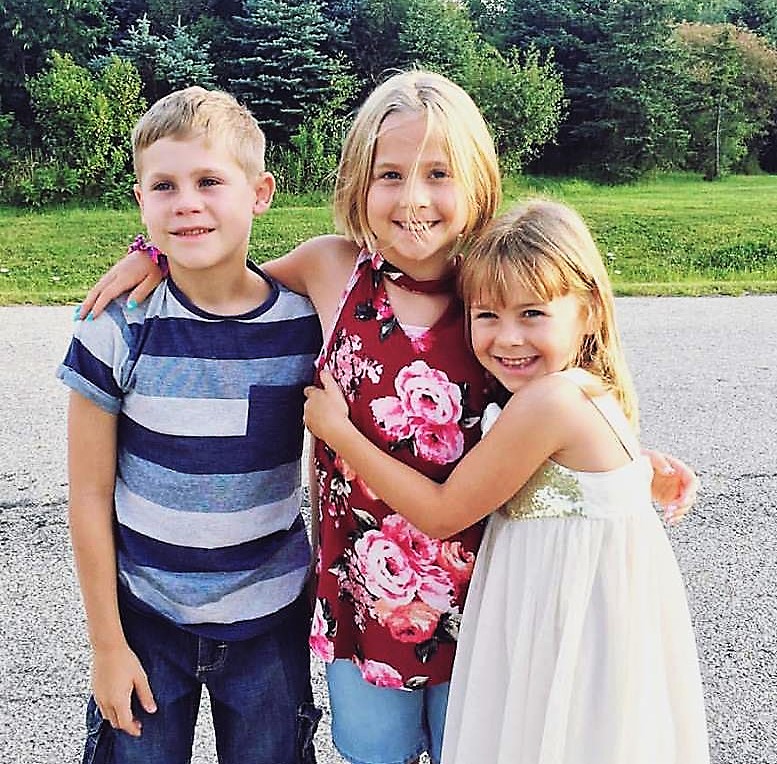
Another school year for our American grandchildren is well underway. From the looks of things, they all look pretty eager to be going back.

Ben in Grade five has begun his last year of Elementary school. In addition to his continuing interest in things technological, he is beginning to learn to play the clarinet.

Abi is rocking the maturity of fourth grade and is a wonderful big sister to Eli.

Eli is more than ready for Grade 1.

ArtAbiApr14

Abi is a lovely little artist but less than thrilled about showing off her work,

ArtApr14

Eli has no such reservations about her art. I must say I am partial to the little snowman.

They are all growing up so quickly and so sweetly. We miss not being closer, but are grateful to be able to visit on Skype and through Alexa.