
Queen Elizabeth reigned for 70 years, longer than any British monarch; indeed, longer than any European monarch with exception of Louis XIV who came to the throne at the age of four. Elizabeth was 25 when her father, King Edward VI passed away in 1952. She was in Kenya at the time with her husband Phillip when she heard the news. Her coronation in 1953 was a global event watched by over 250 million people. Over 4 billion watched her funeral.
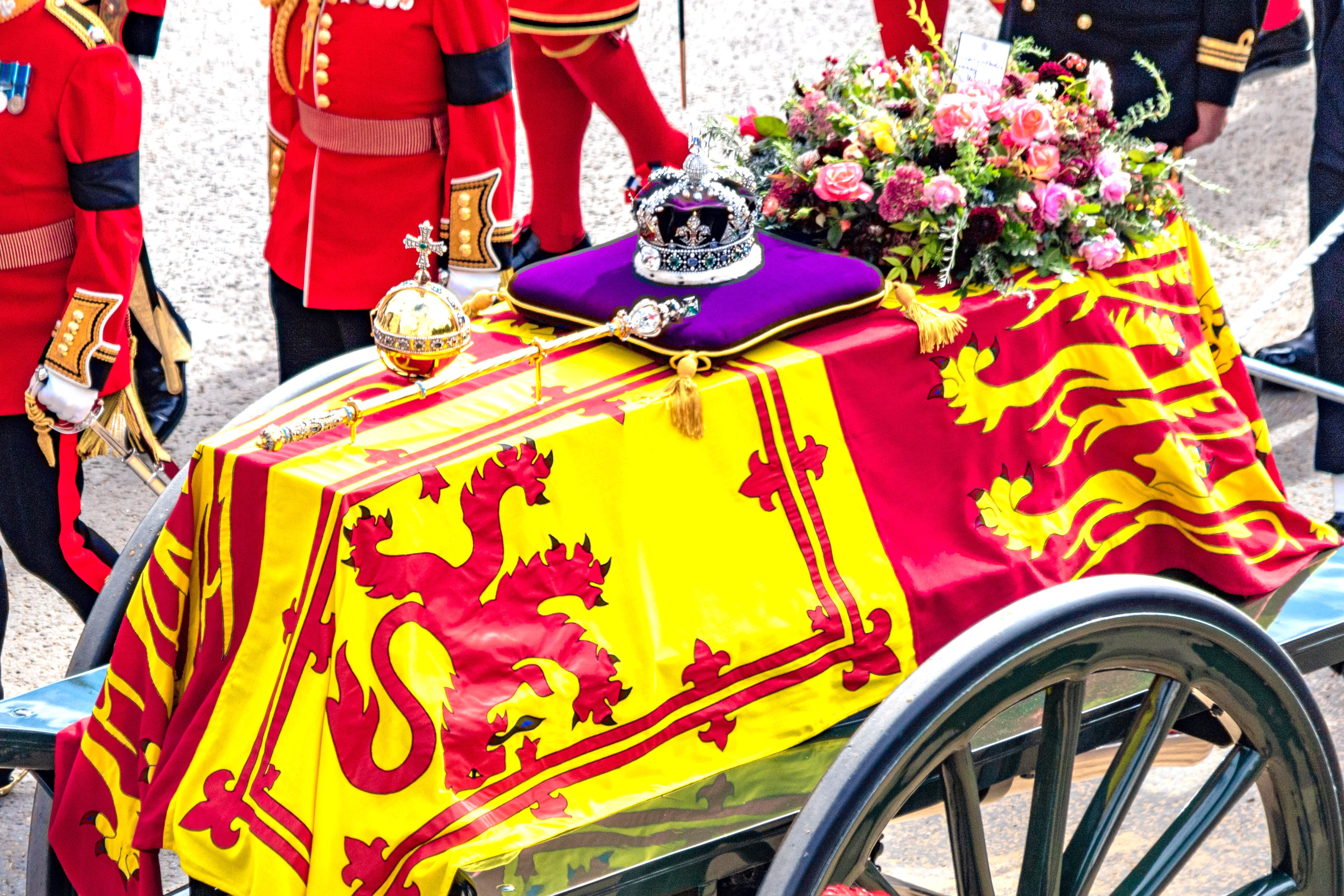
Elizabeth came to the throne at a difficult time in Britain’s history. Although they had won the war, Britain had suffered a great deal as a result. In ’55 when my parents immigrated to Canada, rationing was still in place for many supplies and the economy slow to recover. Elizabeth weathered that crisis with the same steely resolve that would come to serve her so well in the rest of her tumultuous reign.

The sixties brought a revival in England’s fortunes with the arrival of a fresh spirit of optimism, exemplified by the exuberance of its music and fashion. Suddenly, England was the place to be, and the Queen was the poster girl of that era, her picture appearing on countless mugs and plates snapped up by eager foreign tourists.

But the public image of a serenely successful monarch was only the façade. Behind the scenes, in quiet diplomacy, Elizabeth was rebuilding Britain’s reputation and influence, not in the empire of old, but with a new Commonwealth that would, by the end of her reign, include more countries and have wider economic reach than the British Empire at its height.
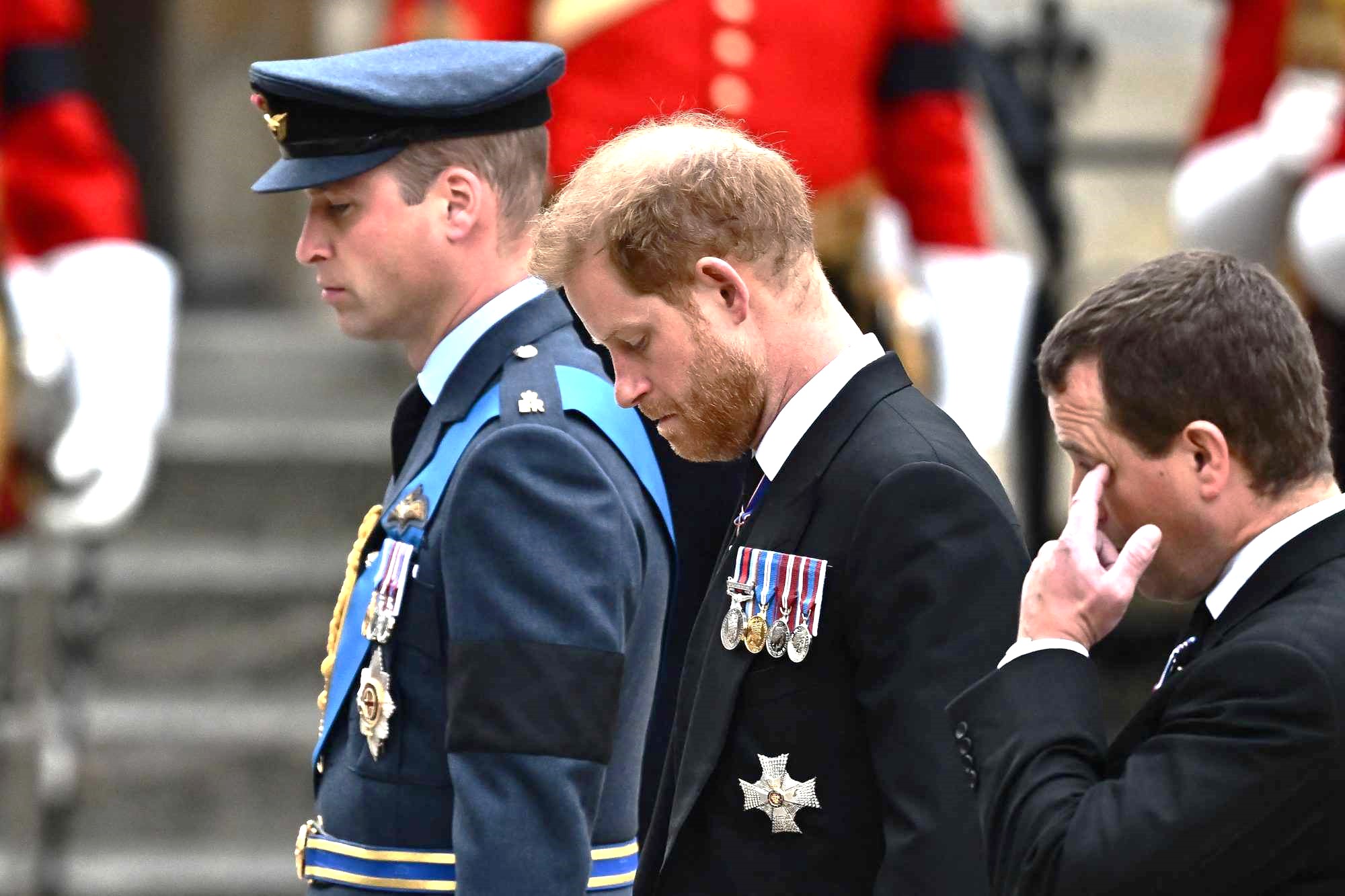
Her reign was also marked by the failures and foibles of her sons, notably Charles, her heir, and Andrew, his randy and immoral brother. We have watched our share of retrospectives on the drama surrounding Charles’ wife Princess Diana and her unfortunate death and the sordid details of Andrew’s relationship with Jeffrey Epstein. I’m not sure how much blame in all this can be assigned to the Queen who sought to balance public duty with private anguish. As in most of the crises that she faced, Elizabeth put on a public air of dignified acceptance of reality, and found solace in her faith.

It is the Queen’s faith that in the end seems to be her most enduring legacy. As the head of the Church of England, Elizabeth could merely have gone through the motions of her religious duties. But for this Queen, her faith was the rock on which she stood, and in her own quiet way sought to convey the importance of that faith to her people. In one address to the nation, Elizabeth reflected on her reign: “For me, the teachings of Christ and my own personal accountability before God provide a framework in which I try to lead my life. I, like so many of you, have drawn great comfort in difficult times from Christ’s words and example.”
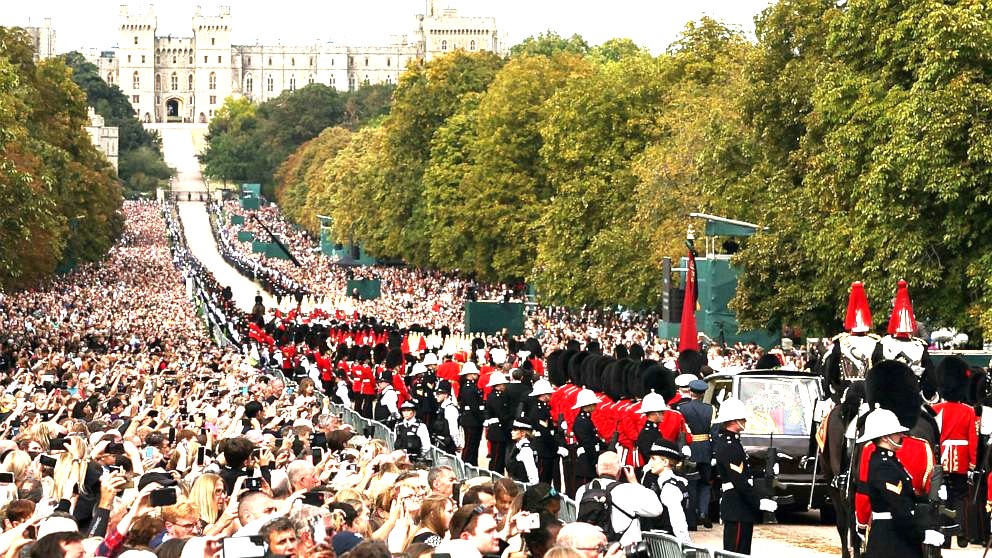
This week, as her funeral cortege moved through the streets of London and down the road to Windsor for her burial, millions of her grateful and grief-stricken people lined the streets in an outpouring of affection and appreciation rarely seen in this reserved culture. The future of the monarchy in Britain remains, as it has been for many years, an open question. But surely no greater argument for its continuation could be made than the reign of Elizabeth II, among the most devout, capable, and accomplished rulers this tired old world has ever seen.
September 2022
 Home Thoughts From Abroad
Leave a comment